How to Grow Turmeric
Curcuma longa
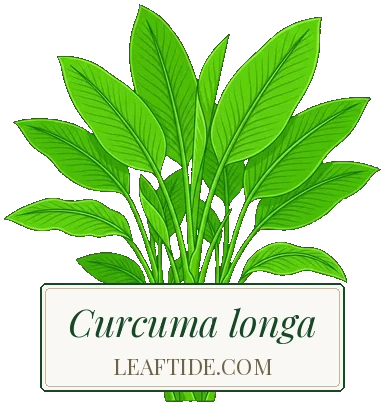
Turmeric is a tropical plant grown from rhizome pieces for its vibrant orange roots used in cooking and medicine. Plant pieces with growth buds 5 cm (2 in) deep in warm, rich compost in spring. Keep very warm (22 °C+, 72 °F+), humid, and in bright indirect light. Water regularly but ensure good drainage. Growth is slow: shoots take 3-4 weeks to emerge. Harvest after 8-10 months when foliage dies back. Ideal container plant for temperate climates.
 In your Leaftide garden


- Hardiness
- Tender
- Season
- Warm Season
- Harvest
- Single Harvest
- Spacing
- 30 cm (12 in)
- Height
- 90 cm (35 in)
- Sow depth
- 5 cm (2 in)
- Min. soil temperature
- 20 °C+ (68 °F+)
- Start from
- Seed
- Light
- Bright indirect light
- Water
- High
When to Start
Start seeds indoors 6 weeks before your last frost date. Transplant outdoors once night temperatures stay above 15 °C (59 °F) and soil has warmed to at least 20 °C (68 °F).
Don't know your frost date? Find it here →
Growth Stages
Approximate days from start
Care Essentials
- Feed monthly with a balanced liquid fertiliser during active growth. Stop feeding when foliage begins to die back in autumn.
- Turmeric is grown from rhizome pieces, similar to ginger but needs even more warmth. Plant in spring, harvest after 8-10 months when foliage dies back. The bright orange rhizomes stain everything they touch. Excellent container plant: bring indoors before frost. Can produce attractive white and pink flower spikes in summer.
Growing Conditions
- Min. soil temperature
- 20 °C+ (68 °F+)
- Germination temperature
- 22–32 °C (72–90 °F)
Spacing & Planting
| Plant spacing | 30 cm (12 in) |
| Row spacing | 40 cm (16 in) |
| Sow depth | 5 cm (2 in) |
| Mature height | 90 cm (35 in) |
| Mature spread | 60 cm (24 in) |
Space rhizome pieces 30 cm (12 in) apart. Grows well in large containers: one rhizome per 30 cm (12 in) pot or several in a large tub.
Pests & Diseases
Pest Red spider mite
Identification: Fine pale speckling on the leaves, which turn dull and yellowish, with fine webbing on the undersides in bad attacks. Worst on plants indoors or under glass in warm, dry air, or when the compost is allowed to dry out.
- Raise the humidity: mist the leaves and stand the pot on a tray of damp gravel, since the mites thrive in dry air.
- In a greenhouse or conservatory, release the predatory mite Phytoseiulus persimilis as soon as you see the first mites.
- Rinse the undersides of the leaves, or spray them with a fatty-acid or plant-oil product labelled for spider mites.
Pest Slugs and snails
Identification: Ragged holes in young leaves and emerging shoots, with slime trails, on plants standing outdoors in summer.
- Check plants at dusk, especially after rain, and pick off slugs and snails.
- For pots on the ground, water in slug nematodes (Phasmarhabditis) when the compost is above 5 °C (41 °F).
- Use ferric phosphate slug pellets sparingly, following the label.
Disease Rhizome rot Pythium spp.
Symptoms: Shoot bases turn water-soaked and soft, the leaves yellow and the shoots collapse. The rhizome becomes soft, brown and rotten. In pots it usually follows cold, wet compost: a rhizome planted before the compost is warm, or a dormant one that is still being watered.
Treatment: There is no cure for a rotting rhizome. Unpot it, cut away soft brown parts back to firm orange flesh and replant the healthy pieces in fresh, free-draining compost kept barely moist until new shoots appear. Throw away rhizomes that are soft all through.
Prevention: Plant only firm, plump rhizomes, start them in compost kept at 22 °C (72 °F) or more, use a pot with drainage holes, and keep the compost almost dry once the leaves die back in autumn.
Disease Leaf spot Colletotrichum capsici
Symptoms: Oval to oblong brown spots with a greyish-white centre and a yellow halo on the leaves, later dotted with tiny black specks. Badly affected leaves dry out and look scorched. It spreads in warm, very humid air when the leaves stay wet.
Treatment: Remove badly spotted leaves, water the compost rather than the leaves, and give the plant more air around it.
Prevention: Space pots so that air moves between them, and ventilate a greenhouse or conservatory on warm days.
Growing Conditions
| Min. soil temperature | 20 °C (68 °F) |
| Germination temperature | 22–32 °C (72–90 °F) |
| Base growth temperature | 15 °C (59 °F) |
| Min. daylength to start | 10 h |
| Photoperiod sensitivity | day neutral |
Frequently Asked Questions
- How far apart should I plant turmeric?
- Plant turmeric 30 cm (12 in) apart, with 40 cm (16 in) between rows.
- When can I harvest turmeric?
- Turmeric is ready to harvest approximately 270 days after transplanting.
- Is turmeric frost hardy?
- No, turmeric is tender.