How to Grow Wild Rice
Zizania aquatica
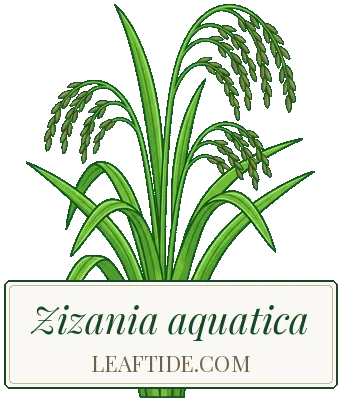
Wild rice is an aquatic annual that requires shallow standing water to grow. Sow seed in water-filled containers or at the margins of a pond from late spring once water temperatures exceed 12C. Plants grow vigorously through summer, reaching 1.5-2 m (5-6.5 ft), and produce grain-bearing panicles in late summer. Harvest grain when husks darken and seeds strip easily from the stem. Multiple harvesting passes give the best yield as grain ripens unevenly. Dry grain well before storing. Plants die back after first frost. Save some seed for the following season.
 In your Leaftide garden


- Hardiness
- Half Hardy
- Season
- Warm Season
- Harvest
- Single Harvest
- Spacing
- 30 cm (12 in)
- Height
- 2 m (6.5 ft)
- Sow depth
- 2.5 cm (1 in)
- Min. soil temperature
- 12 °C+ (54 °F+)
- Start from
- Seed
- Light
- Full sun
- Water
- High
When to Start
Sow indoors 6 weeks before last frost, or direct sow outdoors after frost risk has passed and soil reaches 12 °C (54 °F).
Don't know your frost date? Find it here →
Growth Stages
Approximate days from start
Care Essentials
- Light feeder. Incorporate well-rotted compost into the growing medium before planting. Additional feeding is rarely needed: wild rice is adapted to low-nutrient aquatic environments.
- Wild rice is an aquatic annual grass native to North America. It requires shallow standing water: ponds, bog gardens, or large containers of water work well. The nutty, chewy grain is highly nutritious and a valued food crop of Indigenous North American peoples. Plants grow tall and make a striking ornamental feature alongside edible grain.
Growing Conditions
- Min. soil temperature
- 12 °C+ (54 °F+)
- Germination temperature
- 12–22 °C (54–72 °F)
Spacing & Planting
| Plant spacing | 30 cm (12 in) |
| Row spacing | 60 cm (24 in) |
| Sow depth | 2.5 cm (1 in) |
| Mature height | 2 m (6.5 ft) |
| Mature spread | 30 cm (12 in) |
Pests & Diseases
Pest Waterfowl and Other Birds
Identification: Seedlings grazed or pulled up in spring, and ripening grain stripped from the heads in late summer, often overnight, by ducks, geese or other birds.
- Cover young plants with netting or a mesh cage until they stand well above the water.
- Net the heads, or slip mesh or paper bags over them, as the grain ripens.
- Harvest as soon as the first grain ripens: once birds find the crop it is gone quickly.
Disease Ergot Claviceps zizaniae
Symptoms: Hard, dark purple-black, curved bodies stick out of the heads in place of some of the grains, and sticky honeydew may show at flowering.
Treatment: Cut off affected heads and bin them. Do not eat or save grain from them: ergot is poisonous. Pick out any hard dark bodies from the harvest before use.
Prevention: Remove fallen debris at the end of the season, and never sow seed saved from an affected stand.
Disease Fungal Brown Spot Bipolaris oryzae
Symptoms: Small oval brown spots with a yellow halo on the leaves, which join up in humid weather and kill whole leaves.
Treatment: Remove and bin badly spotted leaves, and thin crowded stands to let air through.
Prevention: Sow thinly, avoid heavy feeding and use clean seed from healthy plants.
Growing Conditions
| Min. soil temperature | 12 °C (54 °F) |
| Germination temperature | 12–22 °C (54–72 °F) |
Frequently Asked Questions
- How far apart should I plant wild rice?
- Plant wild rice 30 cm (12 in) apart, with 60 cm (24 in) between rows.
- Is wild rice frost hardy?
- Only partly: wild rice is half-hardy.