How to Grow Ginger
Zingiber officinale
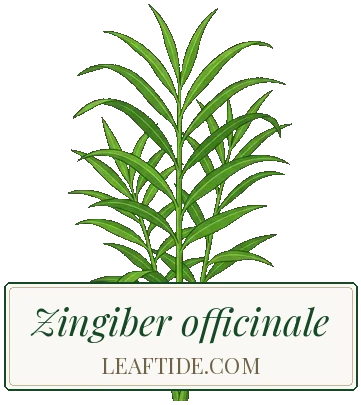
Ginger is a tropical plant grown from rhizome pieces for its aromatic roots. Plant pieces with growth buds 3 cm (1 in) deep in warm, rich compost in spring. Keep warm (20 °C+, 68 °F+), humid, and in bright indirect light. Water regularly but never waterlog. Growth is slow initially but speeds up in summer. Harvest after 8-10 months when foliage dies back. Ideal container plant for temperate climates. Bring indoors over winter.
 In your Leaftide garden


- Hardiness
- Tender
- Season
- Warm Season
- Harvest
- Single Harvest
- Spacing
- 20 cm (8 in)
- Height
- 90 cm (35 in)
- Sow depth
- 3 cm (1 in)
- Min. soil temperature
- 20 °C+ (68 °F+)
- Start from
- Seed
- Light
- Bright indirect light
- Water
- High
When to Start
Start seeds indoors 6 weeks before your last frost date. Transplant outdoors once night temperatures stay above 13 °C (55 °F) and soil has warmed to at least 20 °C (68 °F).
Don't know your frost date? Find it here →
Growth Stages
Approximate days from start
Care Essentials
- Feed monthly with a balanced liquid fertiliser during active growth. Reduce feeding as foliage begins to yellow in autumn.
- Ginger is grown from rhizome pieces, not seeds. Plant in spring when temperatures are consistently warm. Needs 8-10 months of warm growing conditions. Excellent container plant. Bring indoors before first frost. Harvest when foliage yellows and dies back.
Growing Conditions
- Min. soil temperature
- 20 °C+ (68 °F+)
- Germination temperature
- 22–30 °C (72–86 °F)
Spacing & Planting
| Plant spacing | 20 cm (8 in) |
| Row spacing | 30 cm (12 in) |
| Sow depth | 3 cm (1 in) |
| Mature height | 90 cm (35 in) |
| Mature spread | 60 cm (24 in) |
Space rhizome pieces 20 cm (8 in) apart. Ideal for containers: one rhizome per 30 cm (12 in) pot. Grows well in large tubs.
Pests & Diseases
Pest Red Spider Mite
Identification: Fine pale speckling on the leaves, which turn dull and yellowish, with tiny mites and sometimes fine webbing on the undersides. Most likely under glass or indoors in warm, dry air.
- Mist the leaves or stand the pot on a tray of wet gravel to raise the humidity.
- Spray the undersides of the leaves with insecticidal soap or plant oil, and repeat after a week.
- In a greenhouse, release the predatory mite Phytoseiulus persimilis.
Disease Rhizome Rot
Symptoms: Planted pieces turn soft and brown and never sprout, or growing plants yellow and collapse from the base, with soft, discoloured rhizomes. Bacterial and fungal rots both cause it, mostly in cold, wet compost.
Treatment: There is no cure. Throw away rotten rhizomes and the compost they grew in, and clean the pot before reusing it.
Prevention: Choose firm, plump rhizomes. Soak the pieces, then cut them and let the cut ends dry for a day before planting. Water sparingly until shoots appear, keep the compost warm (rhizomes only sprout when the compost is above about 20 °C, 68 °F) and bring pots indoors before nights drop below 10 °C (50 °F).
Growing Conditions
| Min. soil temperature | 20 °C (68 °F) |
| Germination temperature | 22–30 °C (72–86 °F) |
| Base growth temperature | 13 °C (55 °F) |
| Min. daylength to start | 10 h |
| Photoperiod sensitivity | day neutral |
Frequently Asked Questions
- How far apart should I plant ginger?
- Plant ginger 20 cm (8 in) apart, with 30 cm (12 in) between rows.
- When can I harvest ginger?
- Ginger is ready to harvest approximately 240 days after transplanting.
- Is ginger frost hardy?
- No, ginger is tender.