How to Grow Chinese Leaf Celery
Apium graveolens var. secalinum
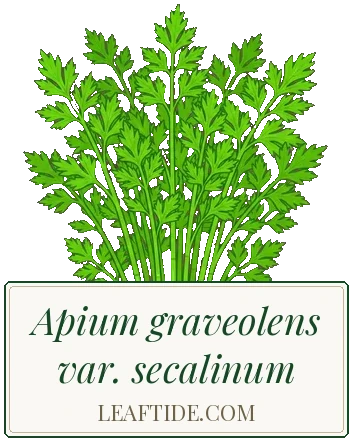
Chinese leaf celery is a fast, easy cut-and-come-again herb with intensely flavoured hollow stems. Sow thinly on the surface in spring or autumn: seeds need light to germinate. It prefers cool weather and tolerates partial shade, making it ideal for spring and autumn harvests. Keep soil consistently moist and harvest outer stems regularly once plants reach 20–30 cm (8–12 in). Remove flower stalks immediately to keep leaves coming. Used widely in Chinese, Vietnamese, and broader East Asian cooking; far quicker and less demanding than stalk celery.
 In your Leaftide garden
- Hardiness
- Half Hardy
- Season
- Cool Season
- Harvest
- Continuous Harvest
- Spacing
- 20 cm (8 in)
- Height
- 50 cm (20 in)
- Min. soil temperature
- 10 °C+ (50 °F+)
- Start from
- Seed
- Light
- Full sun to part shade
- Water
- Moderate
When to Start
Sow indoors 4 weeks before last frost, or direct sow outdoors after frost risk has passed and soil reaches 10 °C (50 °F).
Don't know your frost date? Find it here →
Growth Stages
Approximate days from start
Care Essentials
- Light liquid feed every 2–3 weeks. Overly rich feeding produces lush but less flavourful growth.
- Much faster and easier than stalk celery. Sow thickly for a cut-and-come-again bed. Tolerates partial shade, useful in hot summers. Intense celery flavour used extensively in East and Southeast Asian cooking.
Growing Conditions
- Min. soil temperature
- 10 °C+ (50 °F+)
- Germination temperature
- 15–21 °C (59–70 °F)
- Sow indoors
- —
- Transplant out
- —
- First harvest
- —
Want your full season plan with reminders? Set up your garden free


Spacing & Planting
| Plant spacing | 20 cm (8 in) |
| Row spacing | 25 cm (10 in) |
| Sow depth | On the surface |
| Mature height | 50 cm (20 in) |
| Mature spread | 20 cm (8 in) |
Can be sown thickly and thinned. Cut-and-come-again harvesting allows closer spacing if outer stems are regularly removed.
Pests & Diseases
Pest Celery Leaf Miner
Identification: Pale blotches and winding blisters on the leaves, with small maggots tunnelling inside. Badly mined leaves turn papery and brown.
- Squash the maggots through the leaf surface or pick off the worst leaves and bin them (do not compost).
- Cover the crop with fine insect mesh from sowing so the flies cannot lay eggs.
Pest Aphids
Identification: Clusters of small green, grey or black insects on young leaves and stems, causing curled growth and sticky honeydew.
- Squash small colonies by hand or wash them off with a jet of water.
- Spray with a fatty acid or plant oil insecticide if numbers keep building, and encourage ladybirds and hoverflies.
Disease Celery Leaf Spot Septoria apiicola
Symptoms: Small brown spots with tiny black dots that spread and join up on leaves and stems.
Treatment: Remove and bin affected leaves, water at the base rather than over the foliage, and thin crowded plants for airflow.
Prevention: Sow clean seed, since the fungus can travel on it, and rotate the crop to a different bed each year.
Disease Bolting
Symptoms: A flower stalk shoots up early and the leaves turn tough and bitter.
Treatment: Cut the stalk at the base straight away. If several plants bolt, cut and use the leaves quickly.
Prevention: Shade the plants in hot weather, keep the soil evenly moist, and avoid sowing so early that a cold snap checks young plants.
Growing Conditions
| Min. soil temperature | 10 °C (50 °F) |
| Germination temperature | 15–21 °C (59–70 °F) |
| Base growth temperature | 5 °C (41 °F) |
| Min. daylength to start | 10 h |
| Photoperiod sensitivity | day neutral |
Frequently Asked Questions
- How far apart should I plant Chinese leaf celery?
- Plant Chinese leaf celery 20 cm (8 in) apart, with 25 cm (10 in) between rows.
- When can I harvest Chinese leaf celery?
- Chinese leaf celery is ready to harvest approximately 50 days after transplanting.
- Is Chinese leaf celery frost hardy?
- Only partly: Chinese leaf celery is half-hardy.