How to Grow Cempedak
Artocarpus integer
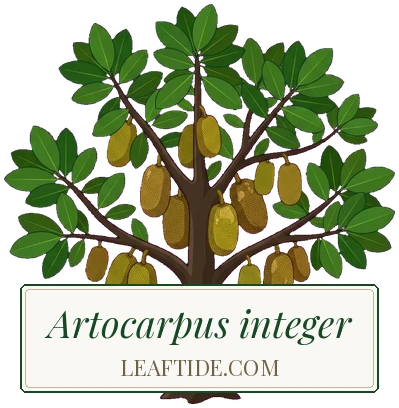
Cempedak is a fast-growing tropical tree closely related to jackfruit, valued for its smaller, intensely sweet and aromatic cauliflorous fruit. It requires a hot, humid, frost-free environment and full sun. In temperate climates, it can only be grown in a heated greenhouse. Feed three times a year and water regularly. Fruit takes around 6 months from flower to harvest; handle with oiled hands due to sticky latex. Grafted trees can fruit in 3–5 years.
 In your Leaftide garden


- Height
- 20 m (66 ft)
- Spread
- 12 m (39 ft)
- Harvest
- October - November
- Light
- Full sun
- Water
- Moderate
- Feed
- Three feeds per year
Yearly Lifecycle
Care Essentials
Apply a balanced fertiliser three times a year (early spring, mid-year, and after harvest) to support the rapid growth and heavy fruiting of this tropical tree.
Watch For
- Fruit borer
- Scale insects
- Phytophthora root rot
- Fruit fly
Companions
Banana, Papaya, Ginger
Care Requirements
Light
Full sun
Requires full sun throughout the year. Tolerates partial shade when young but fruits best in open, unshaded positions.
Watering
Moderate; regular watering in dry periods
Water young trees frequently. Established trees prefer consistently moist but well-drained soil. Reduce watering during the dry season to stimulate flowering.
Fertilizing
Three feeds per year; balanced NPK
Apply a balanced fertiliser in early spring, mid-year, and after harvest. High-potash feed during fruit development improves size and sweetness.
Pruning
Light post-harvest pruning only
Remove dead wood and crowded branches after fruiting. Do not remove large structural trunk branches as these carry the fruit. Keep the canopy at a manageable height.
Spacing
10 m (33 ft) between trees
Allow 10 m (33 ft) between trees for full canopy development. In smaller plots, regular pruning can keep height to 5-8 m (16-26 ft).
Support
Stake young trees for 2-3 years
Young trees need staking in their first few seasons. Once established, the trunk becomes self-supporting.
Growing Tips
Cauliflorous fruiting
Cempedak produces fruit directly on its trunk and main branches. This means good trunk access is important. Don't crowd the base with other plants.
Oil up before harvesting
The sticky white latex in the fruit stalk will coat your hands and tools. Apply cooking oil generously to your hands and knife blade before cutting fruit.
Strictly tropical
Cempedak cannot tolerate temperatures below 15 °C (59 °F). In cooler climates, it is only viable as a heated greenhouse specimen.
Pests & Diseases
Pest Fruit Flies
Identification: Ripening fruit has small puncture marks, then soft, sunken, rotting patches, and the pulp holds small white maggots. Fruit may drop early.
- Bag young fruit in paper or fine mesh bags once it is the size of a fist, before the skin softens.
- Pick fruit promptly when ripe, and collect and bin fallen or rotting fruit every few days so the maggots cannot reach the soil.
- Do not spray the fruit; people eat the pulp.
Pest Shoot and Fruit Borer
Identification: Caterpillars bore into young shoots and fruit, leaving small holes with sticky frass and gum. Shoot tips wilt and young fruit rots or drops.
- Cut off and destroy wilted shoot tips and bored fruit, with the caterpillar inside.
- Bag young fruit early so moths cannot lay eggs on it.
- Do not spray the fruit; people eat the pulp.
Disease Phytophthora Root and Collar Rot Phytophthora spp.
Symptoms: Leaves yellow and wilt, the canopy thins and branches die back, and there may be dark, oozing patches at the base of the trunk. The roots are brown and rotten. It follows waterlogged soil and heavy rain.
Treatment: Improve drainage and stop watering at once, and remove soil away from the trunk base so the collar dries. A badly affected tree rarely recovers.
Prevention: Plant on a mound in free-draining soil, never let water pool around the trunk, and keep potted trees in a container with drainage holes.