How to Grow Cardamom
Elettaria cardamomum
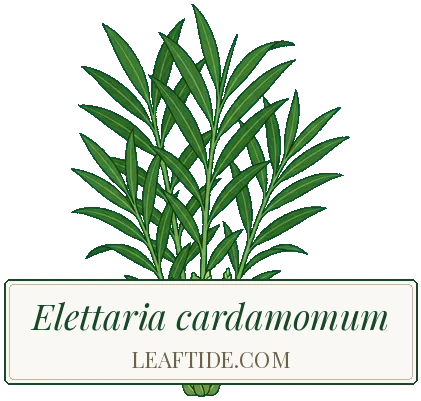
Cardamom is a tropical ginger-family plant that needs warmth, humidity, and bright indirect light. In temperate climates it makes an impressive houseplant or greenhouse specimen. Give it rich, moisture-retentive but well-drained compost, mist regularly to maintain humidity, and feed monthly through spring and summer. Plants take 2–3 years to produce the aromatic green seed pods used in cooking. Harvest pods while still green for the best flavour.
 In your Leaftide garden


- Height
- 2.5 m (8 ft)
- Spread
- 1 m (3.5 ft)
- Spacing
- 60 cm (24 in)
- Flowers
- May - September
- Light
- Full sun to part shade
- Water
- High
Yearly Lifecycle
Care Essentials
Feed monthly during active growth (spring–autumn) with a balanced liquid fertiliser. Reduce to none in winter.
Watch For
- Spider mites
- Root rot from overwatering
- Scale insects
- Leaf yellowing from low humidity
Care Requirements
Light
Bright indirect light or dappled shade
Needs bright indirect light; avoid direct midday sun which scorches leaves. Outdoors in tropical climates, plant under taller trees. Indoors, a bright east-facing windowsill or one out of direct sun works well.
Watering
Keep consistently moist, high humidity essential
Water regularly to keep compost evenly moist but never waterlogged. Mist leaves or use a humidity tray. Reduce watering in winter but never allow to dry out completely.
Fertilizing
Monthly balanced feed during growing season
Apply a balanced liquid fertiliser monthly from spring to autumn. Avoid overfeeding with nitrogen-heavy feeds which promote leaf growth at the expense of pod production.
Pruning
Remove old flower stems and dead leaves
Cut back spent flower stems at the base after harvest. Remove any yellowing or dead leaves to maintain airflow and plant health. No hard pruning needed.
Spacing
60 cm (24 in) between plants
Space plants 60 cm (24 in) apart. They spread via rhizomes so allow room to expand. In containers, use a pot at least 30 cm (12 in) in diameter and repot every 2–3 years.
Support
No support needed
Sturdy upright canes need no staking. Very tall plants in exposed positions may benefit from a cane support for the tallest flower stems.
Growing Tips
Use the leaves too
Fresh cardamom leaves smell of the spice and can flavour rice dishes, curries and tea, or be used to wrap food. Take a few at a time from an established plant so it keeps enough leaf.
Flowers appear low down
The flower stalks arise from the base of the clump and trail along or just above the compost. Keep top-dressing and mulch from smothering them, and cut spent stalks off at the base.
Divide to propagate
When repotting a mature clump in the growing season, split it into sections that each have several shoots and a piece of rhizome. Pot each one separately and keep it warm and humid until it grows away.
Pests & Diseases
Pest Spider Mites
Identification: Fine pale speckling on the leaves, which turn dull, yellow and dry at the edges, and fine webbing on the undersides. They build up fast in the warm, dry air of heated rooms.
- Raise the humidity with regular misting and a pebble tray, including the undersides of the leaves.
- Wash the leaves, undersides included, with a jet of lukewarm water or in the shower to knock mites off.
- Wipe the leaves with soapy water, repeating every few days until no new mites appear.
Disease Rhizome Rot
Symptoms: Shoots yellow and collapse from the base, the rhizomes turn soft and brown, and the compost can smell sour. It follows soggy compost or a pot standing in water.
Treatment: Unpot the plant, cut away all soft brown rhizome back to firm white tissue and repot the healthy sections in fresh, free-draining compost. Water sparingly until new shoots appear.
Prevention: Use a pot with drainage holes and an open, free-draining compost. Empty the saucer after watering and water less in the cooler, darker months.
Spacing & Planting
| Plant spacing | 60 cm (24 in) |
| Row spacing | 90 cm (35 in) |
| Mature height | 2.5 m (8 ft) |
| Mature spread | 1 m (3.5 ft) |
Large ginger-family plant; space generously for good air circulation. In pots, use a container at least 30 cm (12 in) diameter.