How to Grow Burdock
Arctium lappa
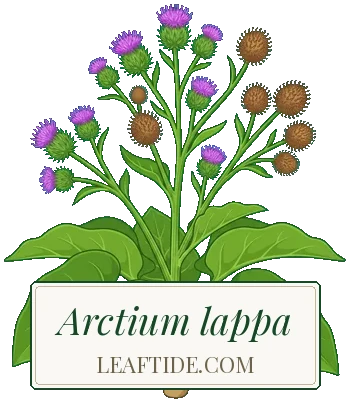
Burdock is grown for its long, sweet taproot (gobo in Japanese cooking). Direct sow in spring into deep, loose soil; never transplant. Thin to 30 cm (12 in) apart. Keep weed-free and water during dry spells. Harvest at 4-5 months before roots become woody. Deep soil preparation is the single most important factor for a good crop.
 In your Leaftide garden


- Hardiness
- Hardy
- Season
- Cool Season
- Harvest
- Single Harvest
- Spacing
- 30 cm (12 in)
- Height
- 1.5 m (5 ft)
- Sow depth
- 1.5 cm (½ in)
- Min. soil temperature
- 8 °C+ (46 °F+)
- Start from
- Seed
- Light
- Full sun
- Water
- Moderate
When to Start
Direct sow outdoors as soon as soil reaches 8 °C (46 °F) — typically early to mid spring. Hardy enough to tolerate light frosts.
Don't know your frost date? Find it here →
Growth Stages
Approximate days from start
Care Essentials
- Apply a balanced fertiliser at sowing. Avoid high-nitrogen feeds which produce excessive leafy growth at the expense of the root. A low-nitrogen, high-potassium feed at mid-season supports root development.
- Direct sow only: burdock has a long taproot and does not transplant well. Needs deep, loose, stone-free soil to produce straight roots. Raised beds or deep-dug trenches work well. Very large leaves: allow plenty of space.
Growing Conditions
- Min. soil temperature
- 8 °C+ (46 °F+)
- Germination temperature
- 10–25 °C (50–77 °F)
Spacing & Planting
| Plant spacing | 30 cm (12 in) |
| Row spacing | 45 cm (18 in) |
| Sow depth | 1.5 cm (½ in) |
| Mature height | 1.5 m (5 ft) |
| Mature spread | 60 cm (24 in) |
Pests & Diseases
Disease Powdery Mildew
Symptoms: A white, floury coating on the large leaves, mostly in late summer and in dry spells, which can turn them yellow and brown. The root is rarely affected.
Treatment: Pick off and bin badly affected leaves; do not compost them. Water the soil in dry spells, as plants short of water are hit hardest.
Prevention: Give each plant its full spacing so air moves between the big leaves, and keep the bed weeded and watered.
Disease Forked and Stunted Roots
Symptoms: Roots split into several legs, twist or stay short when dug, instead of one long straight taproot.
Treatment: There is no cure once a root has forked. It is still edible, just awkward to peel.
Prevention: Dig the bed deep and loose, remove stones, and avoid fresh manure the same season; raised beds or a deep trench make straight roots easiest.
Growing Conditions
| Min. soil temperature | 8 °C (46 °F) |
| Germination temperature | 10–25 °C (50–77 °F) |
| Base growth temperature | 5 °C (41 °F) |
| Min. daylength to start | 8 h |
| Photoperiod sensitivity | day neutral |
Frequently Asked Questions
- How far apart should I plant burdock?
- Plant burdock 30 cm (12 in) apart, with 45 cm (18 in) between rows.
- Is burdock frost hardy?
- Yes, burdock is hardy.