How to Grow Rudbeckia
Rudbeckia hirta
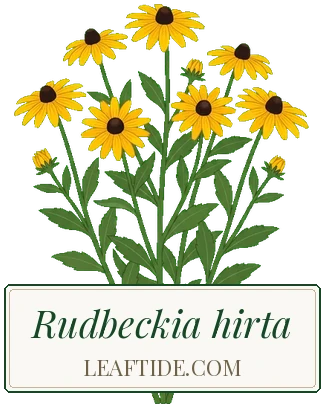
Rudbeckia thrives in full sun and average to fertile, well-drained soil. Surface-sow seeds indoors in early spring as they need light to germinate, maintaining warmth of 18-24C until seedlings emerge. Water regularly during establishment and prolonged dry spells, though plants become fairly drought-tolerant once settled. Deadhead spent blooms consistently throughout summer and autumn to keep the prolific flower display going, or leave the final seedheads for birds over winter.
 In your Leaftide garden
- Hardiness
- Half Hardy
- Season
- Warm Season
- Harvest
- Single Harvest
- Spacing
- 45 cm (18 in)
- Height
- 90 cm (35 in)
- Min. soil temperature
- 12 °C+ (54 °F+)
- Start from
- Seed
- Light
- Full sun to part shade
- Water
- Moderate
When to Start
Sow indoors 7 weeks before last frost, or direct sow outdoors after frost risk has passed and soil reaches 12 °C (54 °F).
Don't know your frost date? Find it here →
Growth Stages
Approximate days from start
Care Essentials
- Light balanced feed at planting out. Rudbeckia are unfussy and perform well in average soil without heavy feeding.
- Rudbeckia hirta varieties flower prolifically in their first year from seed, making them ideal as seasonal bedding or cut flowers. Deadhead regularly to prolong flowering well into autumn. Often treated as an annual since plants weaken after the first spectacular season, hence this seasonal option alongside the perennial Rudbeckia fulgida.
Growing Conditions
- Min. soil temperature
- 12 °C+ (54 °F+)
- Germination temperature
- 18–24 °C (64–75 °F)
- Sow indoors
- —
- Transplant out
- —
- First harvest
- —
Want your full season plan with reminders? Set up your garden free


Spacing & Planting
| Plant spacing | 45 cm (18 in) |
| Row spacing | 50 cm (20 in) |
| Sow depth | On the surface |
| Mature height | 90 cm (35 in) |
| Mature spread | 45 cm (18 in) |
Pests & Diseases
Pest Slugs and Snails
Identification: Ragged holes in the leaves, or seedlings eaten off at soil level, with silvery slime trails nearby. Damage appears overnight, especially after rain.
- Grow seedlings on in pots until they are sturdy before planting out.
- Pick slugs and snails off by torchlight on damp evenings.
- Use beer traps, or scatter ferric phosphate slug pellets thinly around young plants.
Pest Aphids
Identification: Clusters of small green or dark insects on shoot tips and flower buds, often with sticky honeydew on the leaves below.
- Squash small colonies by hand or wash them off with a jet of water.
- Leave light infestations for ladybirds, hoverfly larvae and lacewings to clear.
- Spray a fatty-acid insecticide on heavy colonies, avoiding open flowers.
Disease Powdery Mildew
Symptoms: Greyish-white powdery patches on both sides of the leaves, spreading until whole leaves are coated by late summer. Leaves may yellow and drop early.
Treatment: Remove the worst affected leaves. Late-season mildew rarely stops flowering, so on plants grown as annuals you can often live with it.
Prevention: Give plants their full spacing for air movement, and water at the base in dry spells: plants with dry roots are more prone to mildew.
Disease Septoria Leaf Spot Septoria rudbeckiae
Symptoms: Small dark brown to purplish-black spots, 3-6 mm across, with tiny black dots in the centre. Spots start on the lower leaves and move up the plant with splashing water; badly spotted leaves blacken and dry up.
Treatment: Pick off spotted lower leaves as soon as you see them. At the end of the season clear away all foliage, because the fungus overwinters on plant debris.
Prevention: Water at the base early in the day so the leaves stay dry, and avoid crowding plants.
Disease Downy Mildew Plasmopara halstedii
Symptoms: Seedlings and young plants wilt and die. On older plants the leaves show pale yellow mottling on top, with grey-white downy growth underneath in damp weather.
Treatment: There is no cure. Pull up and bin affected plants promptly, not on the compost heap.
Prevention: Sow thinly, water in the morning and ventilate seedlings well. Grow rudbeckia in a different spot the following year.
Growing Conditions
| Min. soil temperature | 12 °C (54 °F) |
| Germination temperature | 18–24 °C (64–75 °F) |
| Base growth temperature | 5 °C (41 °F) |
| Min. daylength to start | 10 h |
| Photoperiod sensitivity | day neutral |
Frequently Asked Questions
- How far apart should I plant rudbeckia?
- Plant rudbeckia 45 cm (18 in) apart, with 50 cm (20 in) between rows.
- When does rudbeckia flower?
- Rudbeckia typically flowers approximately 90 days after transplanting.
- Is rudbeckia frost hardy?
- Only partly: one-season rudbeckia is half-hardy. Perennial rudbeckia is a different plant that can stay in the ground over winter. Grow perennial rudbeckia