How to Grow Spelt
Triticum spelta
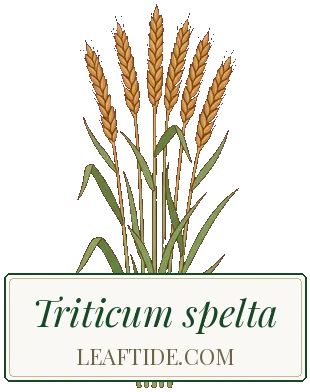
Spelt is an ancient grain grown for its nutty-flavoured, high-protein husked grain. Sow in early to mid-autumn for winter spelt (the more productive approach) or in early spring for a summer harvest. It tolerates poor soils and needs less fertiliser than modern wheat. Avoid excess nitrogen which causes the tall stems to fall over (lodge). Harvest when golden and the grain is hard, then dry before threshing. Note that spelt has a tight husk requiring dehulling before milling. Not a crop for small plots unless you have specific grain-growing intentions.
 In your Leaftide garden


- Hardiness
- Hardy
- Season
- Cool Season
- Harvest
- Single Harvest
- Spacing
- 15 cm (6 in)
- Height
- 1.2 m (4 ft)
- Sow depth
- 3 cm (1 in)
- Min. soil temperature
- 3 °C+ (37 °F+)
- Start from
- Seed
- Light
- Full sun
- Water
- Moderate
When to Start
Direct sow outdoors as soon as soil reaches 3 °C (37 °F) — typically early to mid spring. Hardy enough to tolerate light frosts.
Don't know your frost date? Find it here →
Growth Stages
Approximate days from start
Care Essentials
- Apply a balanced nitrogen fertiliser in early spring as growth resumes (for autumn-sown spelt). Spring-sown spelt benefits from a light feed at sowing. Avoid excess nitrogen which causes lodging (stems falling over).
- Spelt (Triticum spelta) is an ancient hulled wheat with a nutty flavour and higher protein content than common wheat. It can be sown in autumn (winter spelt) for a larger crop, or in spring. Winter spelt is more productive. The tough husk protects the grain naturally, making it relatively pest-resistant.
Growing Conditions
- Min. soil temperature
- 3 °C+ (37 °F+)
- Germination temperature
- 3–18 °C (37–64 °F)
Pet Safety
Spacing & Planting
| Plant spacing | 15 cm (6 in) |
| Row spacing | 20 cm (8 in) |
| Sow depth | 3 cm (1 in) |
| Mature height | 1.2 m (4 ft) |
Drill or broadcast in rows 15-20cm (6-8 in) apart. Thin to 5-10cm (2-4 in) within rows for best grain fill. Typically grown in blocks rather than rows for home plots.
Pests & Diseases
Pest Grain Aphids
Identification: Small green or brownish aphids on the ears and upper leaves from flowering onward, sometimes with sticky honeydew and black sooty mould on the leaves.
- Check the ears regularly. Ladybirds, hoverfly larvae and parasitic wasps usually keep numbers down.
- Avoid heavy nitrogen feeding, which makes soft growth that aphids favour.
- Leave flowering plants and grass margins nearby to feed the aphid predators.
Disease Yellow Rust Puccinia striiformis
Symptoms: Narrow stripes of yellow-orange powdery pustules along the leaves, mostly in cool, damp weather. Badly hit leaves dry up early and the grain fills poorly.
Treatment: There is no home cure. Cut out and bin badly affected plants; do not compost them. Remove self-sown cereals and grass nearby that carry the rust over.
Prevention: Sow thinly for airflow, avoid heavy nitrogen, and do not grow a cereal on ground that had one the year before.
Disease Powdery Mildew Blumeria graminis
Symptoms: White fluffy patches on the lower leaves and stems that spread upward in humid, crowded stands.
Treatment: Thin out dense patches so air moves through, and remove badly affected plants. Do not compost them.
Prevention: Sow at a moderate density, avoid overfeeding with nitrogen, and rotate the ground.
Disease Lodging
Symptoms: Stems bend or flatten in wind and rain, especially tall spelt on rich soil. Flattened ears can rot or sprout on the ground.
Treatment: Flattened stems seldom stand up again. Harvest the flattened patch as soon as the grain is ripe and dry it fully.
Prevention: Do not overfeed with nitrogen, sow at moderate density, and choose a sheltered spot with a modest soil.
Growing Conditions
| Min. soil temperature | 3 °C (37 °F) |
| Germination temperature | 3–18 °C (37–64 °F) |
| Base growth temperature | 3 °C (37 °F) |
Frequently Asked Questions
- How far apart should I plant spelt?
- Plant spelt 15 cm (6 in) apart, with 20 cm (8 in) between rows.
- When can I harvest spelt?
- Spelt is ready to harvest approximately 240 days after transplanting.
- Is spelt frost hardy?
- Yes, spelt is hardy.