How to Grow Orache
Atriplex hortensis
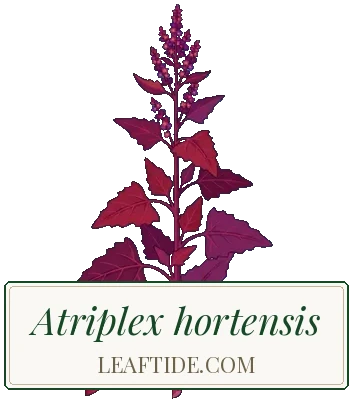
Orache (mountain spinach) is a tall, fast-growing annual leaf vegetable that thrives where true spinach bolts. Direct sow in early spring in any reasonable soil; it tolerates poor, dry ground better than most leafy greens. Harvest young leaves continuously from about 6 weeks after sowing. The red and purple varieties are strikingly ornamental as well as edible. Succession sow every 3 weeks for an unbroken supply. Self-seeds readily, so remove spent plants before seed drops if you want to control spread.
 In your Leaftide garden
- Hardiness
- Hardy
- Season
- Cool Season
- Harvest
- Continuous Harvest
- Spacing
- 30 cm (12 in)
- Height
- 1.5 m (5 ft)
- Sow depth
- 1 cm (½ in)
- Min. soil temperature
- 5 °C+ (41 °F+)
- Start from
- Seed
- Light
- Full sun to part shade
- Water
- Moderate
When to Start
Direct sow outdoors as soon as soil reaches 5 °C (41 °F) — typically early to mid spring. Can also be started indoors 4 weeks earlier for a head start.
Don't know your frost date? Find it here →
Growth Stages
Approximate days from start
Care Essentials
- Rarely needed. Grows well in average soil. A light compost mulch at planting is sufficient.
- Self-seeds freely if allowed to flower. Succession sow every 3 weeks for continuous supply. Red and purple varieties hold colour best in cooler weather. An excellent heat-tolerant spinach substitute.
Growing Conditions
- Min. soil temperature
- 5 °C+ (41 °F+)
- Germination temperature
- 10–20 °C (50–68 °F)
- Sow indoors
- —
- Transplant out
- —
- First harvest
- —
Want your full season plan with reminders? Set up your garden free


Spacing & Planting
| Plant spacing | 30 cm (12 in) |
| Row spacing | 45 cm (18 in) |
| Sow depth | 1 cm (½ in) |
| Mature height | 1.5 m (5 ft) |
| Mature spread | 40 cm (16 in) |
Tall plant; space generously or use as a back-of-border edible ornamental.
Pests & Diseases
Pest Aphids
Identification: Clusters of small black or green aphids on the shoot tips and under young leaves, leaving them curled and sticky.
- Squash small colonies by hand or wash them off with a strong jet of water.
- Pinch out badly infested shoot tips and put them in the bin.
- Encourage hoverflies, lacewings and ladybirds, which feed on aphids. Orache is a leaf crop, so avoid spraying it.
Pest Beet Leaf Miner
Identification: Pale blotches or winding tunnels in the leaves with small white maggots inside. The blotches turn brown and papery.
- Pick off infested leaves as soon as you see the blotches and squash the maggots inside before binning them.
- Cover sowings with fine insect mesh from the start, sealed at the edges, to keep egg-laying flies out.
- Rotate away from beet, chard and spinach, which share this pest.
Disease Bolting
Symptoms: In hot or dry weather plants shoot up tall flower spikes early, and the leaves turn small and tough.
Treatment: Cut off flower spikes as they appear to extend picking, and keep the soil evenly moist.
Prevention: Sow every few weeks so young plants are always coming along, and give plants light shade in hot spells.
Growing Conditions
| Min. soil temperature | 5 °C (41 °F) |
| Germination temperature | 10–20 °C (50–68 °F) |
| Photoperiod sensitivity | long day |
Frequently Asked Questions
- How far apart should I plant orache?
- Plant orache 30 cm (12 in) apart, with 45 cm (18 in) between rows.
- When can I harvest orache?
- Orache is ready to harvest approximately 40 days after transplanting.
- Is orache frost hardy?
- Yes, orache is hardy.