How to Grow Aquilegia
Aquilegia vulgaris and hybrids
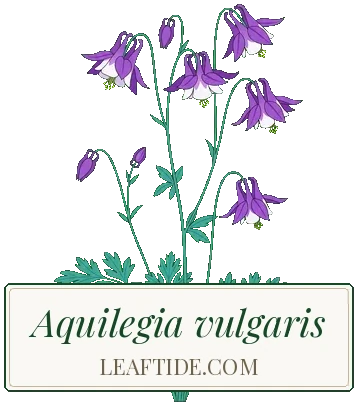
Columbine (Aquilegia) thrives in partial shade to dappled sunlight and prefers moist, well-drained soil enriched with organic matter. Sow seeds indoors in late winter after 3-4 weeks of cold stratification, surface-sowing as they need light to germinate. Water regularly while establishing but avoid waterlogging, and apply a light balanced feed at planting time only. Plants flower reliably in their first year and self-seed freely; cut back foliage after flowering to encourage fresh basal growth.
 In your Leaftide garden
- Hardiness
- Hardy
- Season
- Cool Season
- Harvest
- Single Harvest
- Spacing
- 30 cm (12 in)
- Height
- 75 cm (30 in)
- Min. soil temperature
- 8 °C+ (46 °F+)
- Start from
- Seed
- Light
- Full sun to part shade
- Water
- Moderate
When to Start
Direct sow outdoors as soon as soil reaches 8 °C (46 °F) — typically early to mid spring. Can also be started indoors 8 weeks earlier for a head start.
Don't know your frost date? Find it here →
Growth Stages
Approximate days from start
Care Essentials
- Light feed with a balanced fertiliser when planting out. Aquilegia are not heavy feeders and self-seed freely without supplemental nutrition.
- Aquilegia flower reliably in their first year from an early indoor sowing with cold stratification. They self-seed prolifically. Seedlings will appear around parent plants the following year. The seasonal option lets you track the first grow cycle from seed to flower. Cut back foliage after flowering to encourage fresh basal growth.
Growing Conditions
- Min. soil temperature
- 8 °C+ (46 °F+)
- Germination temperature
- 15–21 °C (59–70 °F)
- Sow indoors
- —
- Transplant out
- —
- First harvest
- —
Want your full season plan with reminders? Set up your garden free


Spacing & Planting
| Plant spacing | 30 cm (12 in) |
| Row spacing | 35 cm (14 in) |
| Sow depth | On the surface |
| Mature height | 75 cm (30 in) |
| Mature spread | 45 cm (18 in) |
Pests & Diseases
Pest Columbine Sawfly
Identification: Grey-green, caterpillar-like larvae feeding side by side along the leaf edge, which can strip a plant to the leaf stalks within a week or two in late spring.
- Pick the larvae off by hand and drop them into soapy water, checking the undersides of the leaves each time you pass.
- Cut a badly stripped plant down to the base. It usually regrows a fresh set of leaves.
Pest Columbine Leaf Miner
Identification: Pale, winding tunnels inside the leaves that turn them blotchy and papery. It appears from late spring and is mainly cosmetic.
- Pick off and bin mined leaves as soon as you see them, squashing the larva inside the tunnel if you can.
- Cut the plant to the base after flowering. The fresh leaves that follow are usually clean.
Disease Powdery Mildew
Symptoms: White powdery film on leaves and stems, which turn yellow and tatty. It is most common late in the season on plants in dry soil or crowded together.
Treatment: Cut affected foliage to the base after flowering and bin it. Fresh growth usually comes up clean.
Prevention: Thin crowded seedlings, water the soil rather than the leaves in dry spells and mulch to keep the roots evenly moist.
Growing Conditions
| Min. soil temperature | 8 °C (46 °F) |
| Germination temperature | 15–21 °C (59–70 °F) |
| Base growth temperature | 5 °C (41 °F) |
| Min. daylength to start | 10 h |
| Photoperiod sensitivity | long day |
Frequently Asked Questions
- How far apart should I plant aquilegia?
- Plant aquilegia 30 cm (12 in) apart, with 35 cm (14 in) between rows.
- When does aquilegia flower?
- Aquilegia typically flowers approximately 120 days after transplanting.
- Is aquilegia frost hardy?
- Yes, aquilegia is hardy.