How to Grow Claytonia
Claytonia perfoliata
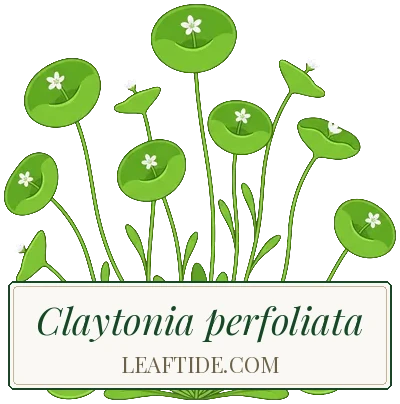
Claytonia is the ultimate low-maintenance winter salad leaf. Sow from late summer through autumn for winter and spring harvests, or in early spring for a quick cool-season crop. Seeds need cool temperatures to germinate (8-12C ideal) and may be slow to start. Once growing, plants are almost indestructible, surviving hard frosts and poor soil. Harvest the distinctive disc-shaped leaves with the stem piercing through the centre. Cut-and-come-again for months of supply. Prefers partial shade and cool conditions; bolts quickly in warm weather. Self-seeds prolifically, providing free plants year after year.
 In your Leaftide garden
- Hardiness
- Hardy
- Season
- Cool Season
- Harvest
- Continuous Harvest
- Spacing
- 15 cm (6 in)
- Height
- 20 cm (8 in)
- Sow depth
- 0.5 cm (¼ in)
- Min. soil temperature
- 5 °C+ (41 °F+)
- Start from
- Seed
- Light
- Part shade
- Water
- Low
When to Start
Direct sow outdoors as soon as soil reaches 5 °C (41 °F) — typically early to mid spring. Can also be started indoors 3 weeks earlier for a head start.
Don't know your frost date? Find it here →
Growth Stages
Approximate days from start
Care Essentials
- Minimal feeding required. A light application of balanced fertiliser at planting is sufficient. Overfed plants produce watery, bland leaves.
- Thrives in cool, shady conditions where little else grows. Perfect winter salad crop for unheated greenhouses, cold frames, or sheltered outdoor beds. Self-seeds freely once established.
Growing Conditions
- Min. soil temperature
- 5 °C+ (41 °F+)
- Germination temperature
- 8–18 °C (46–64 °F)
- Sow indoors
- —
- Transplant out
- —
- First harvest
- —
Want your full season plan with reminders? Set up your garden free


Spacing & Planting
| Plant spacing | 15 cm (6 in) |
| Row spacing | 20 cm (8 in) |
| Sow depth | 0.5 cm (¼ in) |
| Mature height | 20 cm (8 in) |
| Mature spread | 15 cm (6 in) |
Pests & Diseases
Pest Slugs
Identification: Ragged holes and slime trails on the tender leaves, worst in mild, damp winter weather and on crops under cloches or in an unheated greenhouse where slugs stay active.
- Check beds in the evening or after rain and pick off slugs by hand.
- Scatter ferric phosphate slug pellets thinly around the plants.
- Keep beds tidy and clear fallen leaves and debris, where slugs hide by day.
Disease Running to Flower (Bolting)
Symptoms: Plants send up flower stems early, with smaller leaves, instead of staying as a low rosette. It is triggered by warm weather, long days or dry soil.
Treatment: It is not harmful: the stems and flowers are edible, so keep cutting. Clear the plants once the leaves become sparse, or let a few set seed.
Prevention: Sow in late summer to autumn for a winter crop, give light shade when days warm up, and keep the soil evenly moist.
Growing Conditions
| Min. soil temperature | 5 °C (41 °F) |
| Germination temperature | 8–18 °C (46–64 °F) |
| Base growth temperature | 4 °C (39 °F) |
| Photoperiod sensitivity | day neutral |
Frequently Asked Questions
- How far apart should I plant claytonia?
- Plant claytonia 15 cm (6 in) apart, with 20 cm (8 in) between rows.
- When can I harvest claytonia?
- Claytonia is ready to harvest approximately 25 days after transplanting.
- Is claytonia frost hardy?
- Yes, claytonia is hardy.