How to Grow Adzuki Bean
Vigna angularis
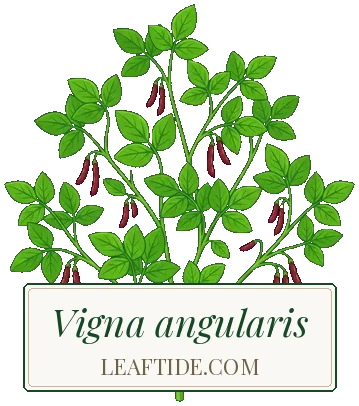
Adzuki beans need warmth and a long season. Start indoors in late spring and plant out after all frost risk passes into fertile well-drained soil in full sun. Water steadily during flowering. Harvest dry pods in autumn once they rattle and finish drying indoors if the season ends early.
 In your Leaftide garden
- Hardiness
- Tender
- Season
- Warm Season
- Harvest
- Single Harvest
- Spacing
- 10 cm (4 in)
- Height
- 50 cm (20 in)
- Sow depth
- 3 cm (1 in)
- Min. soil temperature
- 15 °C+ (59 °F+)
- Start from
- Seed
- Light
- Full sun
- Water
- Moderate
When to Start
Start seeds indoors 3 weeks before your last frost date. Transplant outdoors once night temperatures stay above 10 °C (50 °F) and soil has warmed to at least 15 °C (59 °F).
Don't know your frost date? Find it here →
Growth Stages
Approximate days from start
Care Essentials
- Low-nitrogen feed at planting only. As a legume, adzuki beans fix their own nitrogen; avoid high-nitrogen feeds which reduce yield.
- Warm-season crop needing a long growing season. In cool climates start indoors and use a polytunnel or warm sheltered spot. Short-day plant: flowers as days shorten in late summer.
Growing Conditions
- Min. soil temperature
- 15 °C+ (59 °F+)
- Germination temperature
- 18–30 °C (64–86 °F)
- Sow indoors
- —
- Transplant out
- —
- First harvest
- —
Want your full season plan with reminders? Set up your garden free


Spacing & Planting
| Plant spacing | 10 cm (4 in) |
| Row spacing | 45 cm (18 in) |
| Sow depth | 3 cm (1 in) |
| Mature height | 50 cm (20 in) |
| Mature spread | 30 cm (12 in) |
Pests & Diseases
Pest Adzuki Bean Weevil
Identification: A pest of stored beans: small round exit holes in dried beans, fine dust in the jar and tiny brown beetles. Grubs feed inside the beans, and the weevils keep breeding in the jar.
- Freeze the dried beans at -18 °C (0 °F) for at least four days once they are fully dry, to kill any eggs and grubs inside. Freezing can lower germination of beans kept for sowing.
- Store beans in airtight jars and throw out any batch with holes rather than mixing it with clean beans.
Disease White Mould Sclerotinia sclerotiorum
Symptoms: Pale, water-soaked patches on stems and pods that grow a white cottony mould in damp weather, with hard black bodies (sclerotia) forming in and on the stems. Affected stems wilt and die.
Treatment: Pull up affected plants carefully so the black sclerotia do not drop onto the soil, and bin them rather than composting.
Prevention: Space plants for airflow, water at the base, and keep beans, lettuce, carrots and other susceptible crops off that ground for at least three years, since the black sclerotia survive in soil for up to 8 years.
Disease Powdery Mildew Podosphaera phaseoli
Symptoms: White powdery patches on the leaves that spread until they cover them, worst in warm weather and under cover.
Treatment: Remove the worst affected leaves and keep the roots evenly moist, since dry roots make mildew worse.
Prevention: Give plants room and ventilate polytunnels and greenhouses well.
Growing Conditions
| Min. soil temperature | 15 °C (59 °F) |
| Germination temperature | 18–30 °C (64–86 °F) |
| Base growth temperature | 10 °C (50 °F) |
| Min. daylength to start | 10 h |
| Photoperiod sensitivity | short day |
Frequently Asked Questions
- How far apart should I plant adzuki bean?
- Plant adzuki bean 10 cm (4 in) apart, with 45 cm (18 in) between rows.
- When can I harvest adzuki bean?
- Adzuki bean is ready to harvest approximately 100 days after transplanting.
- Is adzuki bean frost hardy?
- No, adzuki bean is tender.