How to Grow Wych Elm
Ulmus glabra
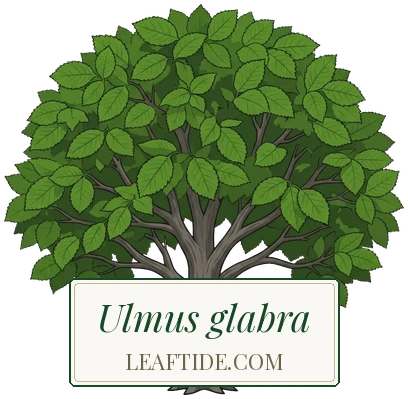
Wych elm is a large native tree for big gardens, woodland edges and hedgerows, growing to about 30 m (98 ft) with a broad crown. Plant it in sun or light shade in moist, fertile, well-drained soil; it copes with cold, exposed hillsides better than most trees. Water young trees in dry spells for the first two or three years and mulch the root zone each spring. Prune only in full dormancy, from late autumn to late winter. Dutch elm disease kills most trees once the bark thickens, so treat it as a fast-growing tree that may need replacing, or keep it as cut hedgerow regrowth.
 In your Leaftide garden


- Height
- 30 m (98 ft)
- Spread
- 20 m (66 ft)
- Light
- Full sun to part shade
- Water
- Moderate
- Feed
- Mulch in spring
Yearly Lifecycle
Care Essentials
No regular feeding. Mulch the root zone with leafmould or well-rotted compost in spring while the tree is young. Avoid high-nitrogen fertilisers, which give soft, sappy growth.
Watch For
- Dutch elm disease (Ophiostoma novo-ulmi)
- Elm bark beetles (Scolytus species)
- Elm leaf galls from aphids
- Honey fungus
Companions
Hazel, Ash, Rowan, Bluebells
Care Requirements
Light
Full sun to partial shade
Grows best in full sun in an open position but tolerates light shade, as at a woodland edge. Young trees cope with more shade than old ones.
Watering
Moderate; keep young trees moist in dry spells
Likes moist, deep soil and dislikes drought. Water newly planted trees deeply every 7-10 days in dry weather for the first two or three summers; established trees on good soil rarely need watering.
Fertilizing
Mulch in spring; no regular feeding
Spread leafmould or well-rotted compost over the root zone each spring while the tree is young. Trees in fertile soil need no fertiliser, and high-nitrogen feeds only give soft growth.
Pruning
Minimal, in full dormancy only
Prune between late autumn and late winter, removing dead, damaged or crossing branches. Never prune in the growing season, as fresh wounds attract the beetles that carry Dutch elm disease. Hedgerow plants can be cut back hard in winter.
Spacing
At least 20 m (66 ft) from buildings and large trees
A mature tree reaches about 30 m (98 ft) with a crown 20-25 m (66-82 ft) wide. Keep it well away from houses, drains and other large trees; as a hedgerow plant, set young trees about 1 m (3.5 ft) apart.
Support
Short stake for the first year or two
Bare-root and small trees need no support. Larger trees on exposed sites benefit from a short stake for one or two years, removed once the roots have taken hold.
Growing Tips
Expect Dutch elm disease
Young wych elms usually grow well for 15-20 years, until the bark is thick enough for elm bark beetles to breed in. Then a branch or the whole crown often wilts and dies. Plant it knowing it may need replacing, or grow it as hedgerow or coppice regrowth, which stays too young for the beetles.
Watch for wilting in early summer
Leaves on one branch that suddenly wilt, curl and turn yellow then brown, while the rest of the tree stays green, are the classic first sign of Dutch elm disease. Peel back the bark on an affected twig; brown streaks in the wood confirm it.
Give it moist, deep soil
Wych elm grows best in moist, fertile soil along streams, in valleys and on cool hillsides. It dislikes thin, dry soils, so water young trees deeply in dry spells for the first two or three summers.
Prune only when dormant
Do any pruning between late autumn and late winter, when the beetles that carry Dutch elm disease are not flying. Summer cuts release scent that draws them in.
Pests & Diseases
Pest Elm Bark Beetles
Identification: Small round exit holes in the bark of dying branches; under the bark, a central gallery with fine larval tunnels radiating out like a fan
- Remove and destroy dying elm wood promptly, with the bark, so the beetles cannot breed in it
- Prune only when the tree is dormant, as fresh summer wounds attract the beetles
- No garden treatment controls them on a mature tree
Pest Elm Leaf Gall Aphids
Identification: Rolled, blistered or bean-shaped galls on the leaves, green at first and turning red or brown, with small aphids inside
- No treatment needed; the tree is not harmed
- Not needed
Disease Dutch Elm Disease Ophiostoma novo-ulmi
Symptoms: In early summer the leaves on one or more branches suddenly wilt, curl, turn yellow then brown and stay on the tree; brown streaks run through the wood under the bark of affected twigs
Treatment: There is no cure. Cut out a single affected branch well below the streaking at once; if the crown is widely affected, fell the tree and remove or debark the wood. Healthy stumps often send up regrowth
Prevention: Prune only in dormancy, clear dead elm wood nearby, and grow wych elm as hedgerow or coppice regrowth where the disease is common
Disease Honey Fungus Armillaria mellea
Symptoms: Dieback of the crown, white fungal sheets with a mushroom smell under the bark at the base of the trunk, and clumps of honey-coloured toadstools in autumn
Treatment: There is no cure; remove and destroy the stump and as many roots as possible if the tree dies
Prevention: Keep trees vigorous with mulch and watering in drought, and avoid damaging the roots and trunk base