How to Grow Ti Plant
Cordyline fruticosa
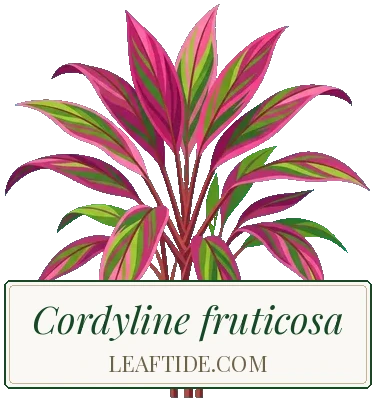
Ti Plant is a tropical shrub prized for its dramatic, colorful foliage in shades of red, pink, purple, and green. It thrives in warm, humid conditions with bright indirect light and well-drained soil. Protect from temperatures below 10C. Excellent as a patio container plant in temperate climates, brought indoors for winter.
 In your Leaftide garden


- Height
- 2.5 m (8 ft)
- Spread
- 1.2 m (4 ft)
- Flowers
- June - September
- Light
- Bright indirect light
- Water
- Moderate
Yearly Lifecycle
Care Essentials
Feed monthly with a balanced liquid fertilizer during the growing season. Reduce to every 6 weeks in winter.
Watch For
- Spider mites in dry conditions
- Mealybugs in leaf axils
- Fusarium leaf spot
- Root rot from overwatering
Pet Safety
Care Requirements
Light
Bright indirect light
Thrives in bright indirect light. Some morning sun enhances leaf colour, but harsh afternoon sun bleaches and burns foliage. Low light dulls variegation.
Watering
Regular, consistent moisture
Keep soil evenly moist during the growing season. Reduce in winter but never let it dry out completely. Avoid waterlogging which causes root rot.
Fertilizing
Monthly balanced feed in growing season
Feed monthly with a balanced liquid fertiliser during active growth. Reduce to every 6 weeks in winter. Consistent nutrition promotes vibrant leaf colour.
Pruning
Remove dead lower leaves, cut back leggy stems
Remove dead or yellowing lower leaves at any time. Cut back leggy plants in spring to encourage bushier growth. Ti plants resprout readily from cut stems.
Pests & Diseases
Pest Red spider mites
Identification: Fine pale stippling on the leaves, fading colour, and fine webbing between leaf and stem in dry, warm rooms. Tiny specks move on the underside of leaves.
- Raise humidity by showering the plant or misting the leaves, as mites thrive in dry air.
- Wipe leaves with a damp cloth and a little soft soap solution, including the undersides, and repeat weekly until clean.
- Isolate affected plants so mites do not spread to neighbours.
Pest Mealybugs
Identification: White, cottony clusters in the leaf axils and at the base of leaves, with sticky honeydew and sooty mould on the foliage below.
- Dab each insect with cotton wool dipped in diluted soft soap or rubbing alcohol, then wash off.
- Check the leaf axils and crown regularly, since they hide among the tight leaf bases.
Disease Brown leaf tips and edges
Symptoms: Leaf tips and margins turn brown and crisp while the rest of the leaf stays healthy, often with a yellow border. Old leaves are hit hardest.
Treatment: Water with rainwater or filtered water instead of hard or fluoridated tap water, and flush the pot thoroughly every few weeks to wash out salts. Trim the brown tips with clean scissors, following the leaf shape.
Prevention: Do not over-fertilise, and avoid letting the compost dry out completely between waterings.