How to Grow Streptocarpus
Streptocarpus spp.
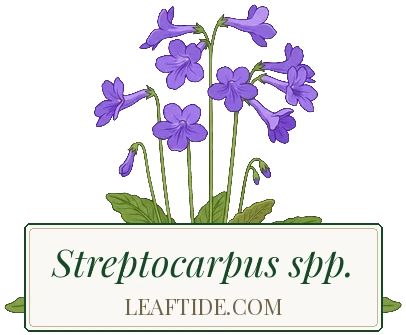
Streptocarpus is a rewarding houseplant that flowers continuously from spring to autumn in bright indirect light. Keep in a cool room (15-22C) away from direct sun. Water from below when the compost surface feels dry, never letting water sit in the crown. Feed fortnightly with high-potash fertiliser during the flowering season. Remove spent flower stems at the base to encourage more blooms. Rest the plant in winter with reduced watering and no feeding.
 In your Leaftide garden


- Height
- 30 cm (12 in)
- Spread
- 35 cm (14 in)
- Flowers
- April - August
- Light
- Bright indirect light
- Water
- Moderate
Yearly Lifecycle
Care Essentials
Feed every two weeks with a high-potash liquid fertiliser from spring through autumn. Stop feeding entirely in winter when growth slows.
Watch For
- Mealybug
- Vine weevil larvae in compost
- Powdery mildew
- Crown rot from overwatering
Pet Safety
Care Requirements
Light
Bright indirect light, no direct sun
Thrives on a bright windowsill out of direct sun. An east-facing window, or one that gets little direct sun, is ideal. Direct sun scorches the velvety leaves.
Watering
From below when surface is dry
Water from below when compost surface feels dry. Never let water sit in the crown as this causes rot. Reduce significantly in winter.
Fertilizing
High-potash feed fortnightly in season
Feed every two weeks with diluted high-potash liquid fertiliser from spring through autumn. Stop entirely in winter when growth slows.
Pruning
Remove spent flower stems at base
Snap off faded flower stems at the base to encourage continuous blooming. Remove yellowing leaves at the same time.
Growing Tips
Make new plants from leaf cuttings
Cut a healthy, mature leaf from the plant, remove the central midrib so you have two halves, and push the cut edges upright into damp, gritty compost under a clear cover. Tiny plantlets form along the cut edge in a few weeks, and the leaf is a free way to renew an old, straggly plant.
Keep it in a small pot
Streptocarpus flowers best when its roots fill a small pot, and an oversized pot gives leaves at the expense of flowers. Repot only into a pot one size up, and only when roots crowd the compost, using a free-draining mix.
Pests & Diseases
Pest Mealybugs
Identification: White, waxy, cotton-like patches on the undersides of leaves, in the crown and along the leaf stalks, with sticky honeydew and weak, distorted growth.
- Dab small colonies with a cotton bud dipped in soapy water or diluted alcohol.
- Isolate the plant from others and check it every few days for several weeks, as eggs hatch later.
Pest Vine Weevil
Identification: A plant that wilts and collapses for no clear reason. When tipped out, the roots and the base of the leaves are eaten and creamy-white, brown-headed C-shaped grubs are in the compost. Adults leave notches in the leaf edges.
- Tip the plant out, shake off the compost, and destroy the grubs by hand. Replant any plant with some healthy roots left in fresh compost, though it often does not recover.
- Apply nematodes (Steinernema kraussei or Heterorhabditis bacteriophora) to the compost when it is warm and moist, from late spring to early autumn.
- Hunt adults at night with a torch and pick them off.
Disease Crown and Stem Rot
Symptoms: The centre of the rosette turns soft and brown, the leaves collapse and the base of the leaf stalks rots. It follows water standing in the crown or on cold, soggy compost.
Treatment: Cut away any soft, brown tissue, let the cut area dry, and water only when the top of the compost feels dry. Plants with a badly rotted crown are best replaced; take healthy leaf cuttings first.
Prevention: Water from below, or onto the compost, never into the centre of the rosette, and use a free-draining mix in a pot with drainage holes.
Disease Powdery Mildew
Symptoms: A white, floury coating on the leaves and flower stalks, mainly in still, humid indoor air. Leaves may yellow and flowers look dull.
Treatment: Remove the affected leaves and flower stalks, and keep the plant on a bright sill with good air movement. Do not wet the foliage.
Prevention: Avoid crowding plants together, and keep the air moving around them without cold draughts.