How to Grow Sparaxis
Sparaxis tricolor
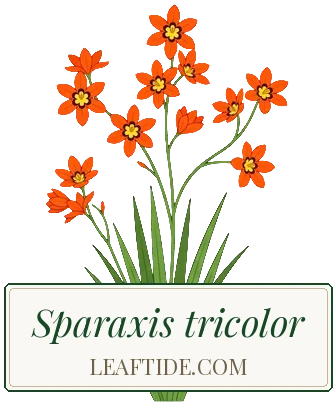
Sparaxis, the harlequin flower, is a half-hardy South African corm with vivid cup-shaped flowers, each with a dark ring and a yellow throat. In colder gardens, plant corms 8cm (3 in) deep in spring for flowers in summer; where winters are mild, plant in autumn for flowers in spring. Give them full sun and very free-draining soil, ideally against a warm wall. Water while they grow and flower, then let them dry out as the leaves yellow. Lift the corms once the foliage has died back and store them dry and frost-free, or grow them in pots you can move under cover.
 In your Leaftide garden


- Hardiness
- Half Hardy
- Season
- Warm Season
- Harvest
- Single Harvest
- Spacing
- 8 cm (3 in)
- Height
- 40 cm (16 in)
- Sow depth
- 8 cm (3 in)
- Min. soil temperature
- 10 °C+ (50 °F+)
- Start from
- Bulb/Tuber
- Light
- Full sun
- Water
- Moderate
When to Start
Plant directly outdoors once soil temperature reaches 10 °C (50 °F). No seed starting needed — grow from bulbs, tubers, or sets.
Don't know your frost date? Find it here →
Growth Stages
Approximate days from start
Care Essentials
- Once flower buds appear, give a high-potash liquid feed every two to three weeks until the foliage starts to yellow.
- Sparaxis, the harlequin flower, is a South African corm with sword-shaped leaves and short wiry stems of open, cup-shaped flowers in red, orange, yellow, pink, purple or white. Each flower has a bold dark ring around a bright yellow throat. The flowers open fully only in sun. In mild-winter climates the corms are planted in autumn and flower in spring; in colder gardens they are planted in spring and flower in summer.
Growing Conditions
- Min. soil temperature
- 10 °C+ (50 °F+)
- Germination temperature
- 15–20 °C (59–68 °F)
Spacing & Planting
| Plant spacing | 8 cm (3 in) |
| Row spacing | 20 cm (8 in) |
| Sow depth | 8 cm (3 in) |
| Mature height | 40 cm (16 in) |
| Mature spread | 10 cm (4 in) |
Plant corms 8cm (3 in) deep and 5-8cm (2-3 in) apart in groups of ten or more. Choose a hot, sunny, sheltered spot in very free-draining soil.
Pests & Diseases
Pest Aphids
Identification: Clusters of small green or black insects on buds and young stems, with sticky honeydew and distorted flowers
- Rub off small colonies by hand or wash off with a jet of water
- Encourage ladybirds, lacewings and hoverflies
- Spray with a fatty acid or plant oil insecticide if numbers build up
Pest Slugs and Snails
Identification: Ragged holes in young leaves, chewed shoot tips and silvery slime trails
- Pick off at night by torchlight
- Use beer traps or wool pellets around clumps
- Scatter ferric phosphate slug pellets sparingly
Disease Corm Rot Fusarium oxysporum
Symptoms: Shoots fail to appear or turn yellow early; lifted corms are soft, brown or covered in mould
Treatment: Dig up and destroy affected corms. Do not replant sparaxis or related corms in the same spot for several years
Prevention: Plant only firm, healthy corms in very free-draining soil and keep them dry while dormant
Disease Grey Mould (Botrytis) Botrytis cinerea
Symptoms: Fuzzy grey mould on flowers and leaves in cool, damp weather; buds may rot before opening
Treatment: Remove affected parts promptly and improve air flow around the plants
Prevention: Avoid overcrowding and overhead watering, and grow in a sunny, airy spot
Growing Conditions
| Min. soil temperature | 10 °C (50 °F) |
| Germination temperature | 15–20 °C (59–68 °F) |
| Photoperiod sensitivity | day neutral |
Frequently Asked Questions
- How far apart should I plant sparaxis?
- Plant sparaxis 8 cm (3 in) apart, with 20 cm (8 in) between rows.
- When does sparaxis flower?
- Sparaxis typically flowers approximately 90 days after transplanting.
- Is sparaxis frost hardy?
- Only partly: sparaxis is half-hardy.