How to Grow Snake Gourd
Trichosanthes cucumerina
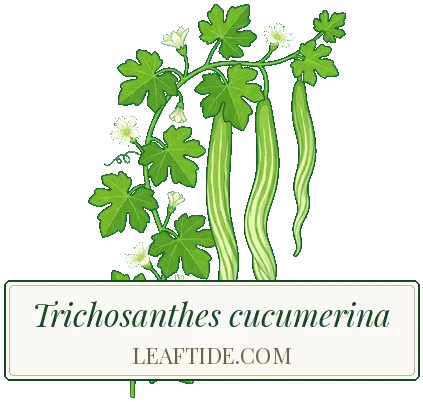
Snake gourd is a vigorous tropical climbing vine that produces long, twisted fruits up to 150 cm (5 ft). It needs full sun, heat, and a sturdy trellis. Start seeds indoors in warm conditions, transplant only after all frost risk has passed, and grow under glass in cooler climates. Water regularly and feed with a high-potash fertiliser from flowering. Harvest fruits young while soft and pale green; they become bitter and orange-red when overripe. Tie small weights to young fruits to keep them hanging straight.
 In your Leaftide garden
- Hardiness
- Tender
- Season
- Warm Season
- Harvest
- Continuous Harvest
- Spacing
- 1 m (3.5 ft)
- Height
- 3 m (10 ft)
- Sow depth
- 2 cm (¾ in)
- Min. soil temperature
- 20 °C+ (68 °F+)
- Start from
- Seed
- Light
- Full sun
- Water
- High
When to Start
Start seeds indoors 3 weeks before your last frost date. Transplant outdoors once night temperatures stay above 15 °C (59 °F) and soil has warmed to at least 20 °C (68 °F).
Don't know your frost date? Find it here →
Growth Stages
Approximate days from start
Care Essentials
- Apply a balanced fertiliser at planting. Once flowering begins, switch to a high-potash liquid feed every two weeks to encourage fruiting.
- Snake gourd thrives in hot, humid tropical conditions. In temperate climates grow under glass or polytunnel for best results. Tie small stones to developing fruits to keep them straight.
Growing Conditions
- Min. soil temperature
- 20 °C+ (68 °F+)
- Germination temperature
- 25–35 °C (77–95 °F)
- Sow indoors
- —
- Transplant out
- —
- First harvest
- —
Want your full season plan with reminders? Set up your garden free


Spacing & Planting
| Plant spacing | 1 m (3.5 ft) |
| Row spacing | 1.5 m (5 ft) |
| Sow depth | 2 cm (¾ in) |
| Mature height | 3 m (10 ft) |
| Mature spread | 1 m (3.5 ft) |
Vigorous climbing vine: provide a sturdy trellis or bamboo frame at least 1.5 m (5 ft) high. Space plants 100 cm (3.5 ft) apart at the base.
Pests & Diseases
Pest Melon Fly
Identification: In tropical and subtropical regions the fly lays eggs in young fruits. Maggots feed inside, resin oozes from the puncture marks, and fruits become distorted, rot and drop early. It is not established in Europe.
- Collect and destroy all damaged and fallen fruits; do not compost them
- Cover young fruits with paper or fine mesh bags
- Where you can, time sowing so the crop does not fruit in the rainy season, when fly numbers peak
Pest Red Pumpkin Beetle
Identification: Orange-red beetles chew holes in leaves and flowers and can kill young seedlings, while their grubs feed on the roots. A common pest of gourds in South Asia and around the Mediterranean.
- Hand-pick beetles early in the morning, when they are sluggish
- Protect seedlings with insect mesh until they have several true leaves
Disease Downy Mildew Pseudoperonospora cubensis
Symptoms: Angular yellow patches between the leaf veins, with greyish fuzz on the underside in humid weather. The patches turn brown, the leaves roll upward and the vine looks scorched.
Treatment: Remove badly affected leaves, open up the canopy and water at the base in the morning.
Prevention: Space and train the vines so air moves through them, avoid wetting the leaves, and ventilate greenhouses well.
Disease Powdery Mildew
Symptoms: White powdery patches on the upper leaf surfaces and stems, spreading until leaves yellow and wither.
Treatment: Remove the worst leaves and keep the roots evenly moist. Avoid sulphur and copper dusts: Tamil Nadu Agricultural University warns that both scorch snake gourd.
Prevention: Do not overcrowd the vines, keep watering steady and ventilate greenhouses.
Disease Mosaic Virus
Symptoms: Leaves develop a yellow and green mottle, become puckered and smaller, and the vine is stunted with few, misshapen fruits.
Treatment: There is no cure. Pull up and destroy infected plants promptly so aphids do not spread the virus to healthy ones.
Prevention: Control aphids, which carry the virus, and keep down weeds around the crop.
Growing Conditions
| Min. soil temperature | 20 °C (68 °F) |
| Germination temperature | 25–35 °C (77–95 °F) |
| Base growth temperature | 15 °C (59 °F) |
| Photoperiod sensitivity | short day |
Frequently Asked Questions
- How far apart should I plant snake gourd?
- Plant snake gourd 1 m (3.5 ft) apart, with 1.5 m (5 ft) between rows.
- When can I harvest snake gourd?
- Snake gourd is ready to harvest approximately 90 days after transplanting.
- Is snake gourd frost hardy?
- No, snake gourd is tender.