How to Grow Rangoon Creeper
Combretum indicum
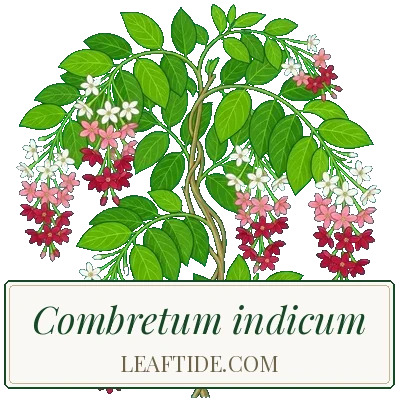
Rangoon Creeper thrives in full sun with fertile, well-drained soil. Plant against a strong support; it can reach 6-8m (20-26 ft). Water regularly during the growing season and apply a balanced feed in spring and mid-summer. The flowers open white, turn pink, then deepen to red over 2-3 days, and are intensely fragrant at night. Prune lightly after flowering. Frost-tender: protect or move under cover when temperatures drop below 5 °C (41 °F).
 In your Leaftide garden


- Height
- 6 m (20 ft)
- Spread
- 3 m (10 ft)
- Flowers
- April - July
- Light
- Full sun
- Water
- Moderate
Yearly Lifecycle
Care Essentials
Feed in spring and again in mid-summer with a balanced fertiliser. Avoid high-nitrogen feeds once established, which promote leafy growth at the expense of flowers.
Watch For
- Mealybugs
- Scale insects
- Powdery mildew
- Root rot in waterlogged soil
Companions
Bougainvillea, Plumbago, Lantana, Heliconia
Pet Safety
Care Requirements
Light
Full sun
Requires at least 6 hours of direct sun daily. Flowering is reduced in shade. In very hot climates, light afternoon shade is tolerated.
Watering
Regular watering during growth; drought-tolerant once established
Water deeply and regularly during the growing season, especially while flowering. Once well established, Rangoon Creeper becomes fairly drought-tolerant. Avoid waterlogging.
Fertilizing
Balanced feed in spring and mid-summer
Apply a balanced fertiliser in spring as growth resumes and again in mid-summer. Avoid excessive nitrogen, which promotes foliage over flowers.
Pruning
Light prune after flowering; hard prune in early spring if needed
Remove spent flower clusters after blooming. Hard-prune overgrown plants in early spring before new growth starts to keep size manageable and encourage vigorous new flowering shoots.
Spacing
3m (10 ft) between plants; strong support essential
Allow at least 3m (10 ft) between plants. Provide a robust pergola, trellis, or fence; the plant can reach 6-8m (20-26 ft) and becomes heavy over time.
Growing Tips
Let the colour shift happen
Each flower cluster opens white, turns pink, then deepens to red over 2-3 days: all three colours appear on the plant at once. This is normal; resist deadheading until the whole cluster finishes.
Support early and firmly
Train young shoots onto their support from the start. Rangoon Creeper grows vigorously and tangled growth is hard to sort out later without breaking stems.
Water deeply in dry spells
During flowering and active growth, water thoroughly at the root zone rather than lightly and often. Mulch to retain moisture in hot weather.
Night fragrance
The strongest perfume is at night. Plant near a path, window, or seating area to make the most of the scent.
Pests & Diseases
Pest Mealybugs
Identification: White, waxy, cotton-like clusters in leaf joints and on young shoots, with sticky honeydew and sooty mould. Worst on plants kept under cover or in a sheltered, dry spot.
- Dab small colonies with a cotton bud dipped in soapy water or diluted rubbing alcohol.
- Spray larger outbreaks with horticultural soap, reaching into the leaf joints, and repeat weekly until clear.
- Prune out and bin badly infested shoots.
Pest Scale Insects
Identification: Small brown or tan bumps stuck to stems and leaf undersides that do not rub off easily, with sticky honeydew and black sooty mould on the leaves below.
- Scrub off light infestations with a soft brush and soapy water.
- Spray heavier outbreaks with horticultural soap or oil, covering stems and leaf undersides, and repeat after two weeks.
- Cut out and bin heavily crusted shoots.
Disease Powdery Mildew
Symptoms: A white, powdery coating on young leaves and shoot tips, which may curl and distort. Most common where air is still or the plant is dry at the roots.
Treatment: Cut off affected shoots and bin them. Water the soil, not the leaves, and thin crowded growth so air can move through.
Prevention: Keep the plant watered in dry spells and avoid planting it tight against a solid wall with no air gap.
Disease Root Rot in Waterlogged Soil
Symptoms: Leaves yellow and drop, shoots wilt even though the soil is wet, and the base of the stem or roots turn brown and soft.
Treatment: Let the soil dry out and stop watering until the top layer is dry. Cut away rotted roots on a container plant and repot into fresh, free-draining compost.
Prevention: Plant in free-draining soil, use pots with drainage holes, and do not leave the pot standing in a saucer of water.