How to Grow Mastic Tree
Pistacia lentiscus
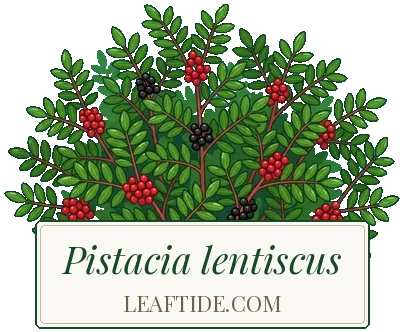
The mastic tree is a dense, aromatic Mediterranean evergreen shrub or small tree, prized for its glossy compound leaves that flush red in spring and its aromatic resin. Red berries ripen to black in autumn. Extremely drought-tolerant and wind-resistant once established, it thrives in poor, rocky soils and full sun. Frost-tender in the UK.
 In your Leaftide garden


- Height
- 4 m (13 ft)
- Spread
- 3.5 m (11 ft)
- Light
- Full sun
- Water
- Low
- Feed
- Rarely needs feeding
Yearly Lifecycle
Care Essentials
Rarely needs feeding. A light application of balanced fertiliser in spring is only necessary for container-grown plants.
Watch For
- Scale insects
- Root rot in waterlogged soil
- Frost damage in exposed positions
Care Requirements
Light
Full sun, sheltered warm spot
Needs maximum sunlight and warmth. In temperate climates, plant against a warm, sunny wall for reflected heat. Tolerates wind once established.
Watering
Drought-tolerant once established
Extremely drought-tolerant in Mediterranean conditions. Water container plants regularly. In-ground plants rarely need supplementary water after the first year.
Fertilizing
Rarely needs feeding
Thrives in poor, rocky soils. A light balanced feed in spring is only necessary for container-grown plants. Avoid rich soil.
Pruning
Light shaping in late spring
Prune lightly to shape after new growth appears. Tolerates hard renovation pruning if needed. Remove frost-damaged growth once new buds appear.
Growing Tips
Male and female plants are separate
Mastic trees are either male or female. Only females carry the red berries that ripen to black, and they need a male nearby to set them, so a single plant will be handsome but will not fruit.
Pot it deep and disturb it rarely
It sends roots down deep, so use a tall container with plenty of drainage and plant it young. Move it as little as you can once it has settled.
It is not the pistachio nut
This is a relative of the pistachio, but the berries are not the edible nuts. The resin called mastic is tapped from the bark of mature trees in warm Mediterranean groves, and a potted plant in a cool climate will not give you a harvest.
Pests & Diseases
Pest Scale insects
Identification: Small brown or whitish bumps on stems and leaves, with sticky honeydew and black sooty mould below. They are most troublesome on potted plants kept under glass or against a sheltered wall.
- Scrub light infestations off with a soft brush dipped in soapy water.
- Spray with insecticidal soap or a plant-based fatty acid spray when the young crawlers are active, repeating at intervals.
Disease Root rot in waterlogged soil
Symptoms: Leaves yellow and drop, shoots wilt although the soil is wet, and the roots are dark and soft. Potted plants standing in saucers of water are the most at risk.
Treatment: Let the soil dry out, then lift the plant, cut away rotted roots and repot in fresh, gritty, free-draining mix.
Prevention: Use a gritty mix in a pot with drainage holes, never leave it standing in water, and water only when the top of the soil is dry.