How to Grow Peanut
Arachis hypogaea
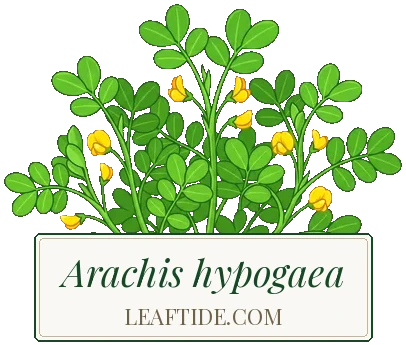
Peanuts are a novelty crop in cool climates but very doable in a warm spot or polytunnel. Sow seeds (whole shelled nuts) in warm compost indoors, transplant after last frost into loose sandy soil. The unique flowering habit sends pegs underground to develop pods, so keep soil loose and weed-free around the base. Harvest when leaves yellow; dry whole plants for 2–3 weeks before shelling.
 In your Leaftide garden
- Hardiness
- Tender
- Season
- Warm Season
- Harvest
- Single Harvest
- Spacing
- 30 cm (12 in)
- Height
- 50 cm (20 in)
- Sow depth
- 5 cm (2 in)
- Min. soil temperature
- 18 °C+ (64 °F+)
- Start from
- Seed
- Light
- Full sun
- Water
- Moderate
When to Start
Start seeds indoors 4 weeks before your last frost date. Transplant outdoors once night temperatures stay above 13 °C (55 °F) and soil has warmed to at least 18 °C (64 °F).
Don't know your frost date? Find it here →
Growth Stages
Approximate days from start
Care Essentials
- Apply a low-nitrogen balanced fertiliser at planting. Avoid high nitrogen which promotes leaves over pods. A light calcium dressing (gypsum) aids pod shell formation.
- Peanuts flower above ground but then send down specialised stalks called pegs which push into the soil where the pods develop. Loose, sandy, stone-free soil is essential so the pegs can penetrate easily. A warm sheltered site or polytunnel gives best results in cool climates.
Growing Conditions
- Min. soil temperature
- 18 °C+ (64 °F+)
- Germination temperature
- 20–30 °C (68–86 °F)
- Sow indoors
- —
- Transplant out
- —
- First harvest
- —
Want your full season plan with reminders? Set up your garden free


Spacing & Planting
| Plant spacing | 30 cm (12 in) |
| Row spacing | 60 cm (24 in) |
| Sow depth | 5 cm (2 in) |
| Mature height | 50 cm (20 in) |
| Mature spread | 40 cm (16 in) |
Bush habit. Space plants 30 cm (12 in) apart in rows 60 cm (24 in) apart. Soil must be loose and friable for pegs to penetrate and pods to develop underground.
Pests & Diseases
Pest Mice and Squirrels
Identification: Sown seeds disappear from the soil, and later small holes appear around the plants where developing pods have been dug up and eaten.
- Start seeds in pots under cover and plant out sturdy young plants rather than sowing direct
- Cover the bed with fine wire mesh or netting pegged down at the edges until plants are established
- Lift the crop promptly once it is ready, as ripe pods attract more digging
Pest Red Spider Mite
Identification: Fine pale speckling on the leaves, which then yellow and bronze, with fine webbing on the undersides in heavy attacks. Worst in hot, dry weather and in greenhouses and polytunnels.
- Damp down greenhouse paths and keep plants well watered in hot spells
- Under cover, release the predatory mite Phytoseiulus persimilis
Disease Early and Late Leaf Spot Cercospora arachidicola, Nothopassalora personata
Symptoms: Brown to black spots on the leaves, sometimes with a yellow halo. Infected leaves fall early, and in bad years the plant loses most of its foliage before harvest, so the pods fill poorly.
Treatment: Pick off the worst-affected lower leaves. A light to moderate attack still gives a fair crop, so garden plants rarely need spraying.
Prevention: Water at the base to keep the leaves dry and sow as early as conditions allow. Grow peanuts in a different bed each year, rotating with grasses or sweetcorn, and compost or dig in plant debris after harvest.
Disease Stem Rot (Southern Blight) Athelia rolfsii
Symptoms: A branch or the whole plant wilts and yellows in hot weather. White, cottony mould grows on the stem at soil level, often with small round tan to brown bodies like mustard seeds, and the pods beneath rot.
Treatment: Lift and bin affected plants together with the soil around the stem; do not compost them.
Prevention: Change the bed every year and keep fresh plant debris away from the stems.
Disease Mouldy Nuts (Aflatoxin) Aspergillus flavus
Symptoms: Yellow-green powdery mould on pods or kernels, usually on nuts that were damaged, dried too slowly or stored damp. The mould can produce aflatoxin, a poison that roasting does not reliably destroy, and the toxin can be present even when no mould is visible.
Treatment: Throw away any mouldy, shrivelled or discoloured kernels. Do not eat them or feed them to animals.
Prevention: Dry lifted plants quickly in a warm, airy place, then keep the pods cool and dry in breathable bags. Drought late in the season raises the risk, so keep watering steady while the pods fill.
Growing Conditions
| Min. soil temperature | 18 °C (64 °F) |
| Germination temperature | 20–30 °C (68–86 °F) |
| Base growth temperature | 13 °C (55 °F) |
| Photoperiod sensitivity | day neutral |
Frequently Asked Questions
- How far apart should I plant peanut?
- Plant peanut 30 cm (12 in) apart, with 60 cm (24 in) between rows.
- When can I harvest peanut?
- Peanut is ready to harvest approximately 102 days after transplanting.
- Is peanut frost hardy?
- No, peanut is tender.