How to Grow Ornamental Oregano
Origanum laevigatum
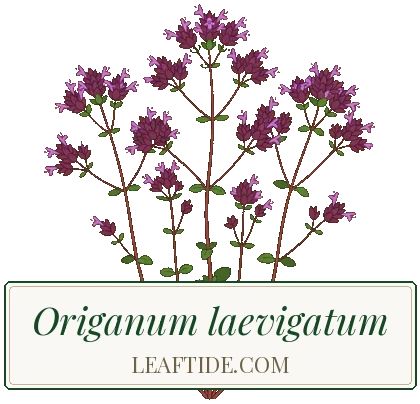
Ornamental oregano is a Mediterranean perennial grown for its airy sprays of tubular purple flowers from midsummer to autumn, not for cooking. Loved by bees and butterflies. It thrives in full sun and well-drained, poor to moderate soil. Cut back hard in early spring for fresh growth. Drought-tolerant once established.
 In your Leaftide garden


- Height
- 60 cm (24 in)
- Spread
- 45 cm (18 in)
- Flowers
- June - September
- Light
- Full sun
- Water
- Low
- Feed
- Do not feed
Yearly Lifecycle
Care Essentials
Rarely needs feeding. Avoid rich soil or heavy fertilising, as it reduces flowering and makes growth floppy.
Watch For
- Root rot in waterlogged soil
- Aphids on new growth
- Winter wet more dangerous than cold
Pet Safety
Care Requirements
Light
Full sun essential
Requires maximum sunlight for compact growth and prolific flowering. Becomes leggy and flowers poorly in shade.
Watering
Drought-tolerant once established
Rarely needs watering once roots are established. Winter wet is more dangerous than drought. Ensure sharp drainage.
Fertilizing
Do not feed
Thrives in poor to moderate soil. Rich soil or heavy feeding reduces flowering and produces floppy, weak growth.
Pruning
Cut to ground in early spring
Leave old stems standing over winter for frost protection and structure. Cut all to ground level in early spring when new basal shoots appear.
Growing Tips
Add grit at planting
Fork a generous amount of grit or gravel into the planting hole and the soil around it, especially on clay. Drainage around the crown matters more than anything else for getting this plant through a wet cold season.
Cut flowers keep their colour
The purple-pink bracts hold their colour long after the small flowers fade, so the stems are good in a vase and dry well for winter arrangements. Cutting some stems also keeps the plant tidy.
Divide or take cuttings to increase it
Lift and divide congested clumps as new growth starts in spring, or take softwood cuttings in early summer. Named selections do not always come true from seed, so propagate by division or cuttings to keep the same plant.
Pests & Diseases
Pest Aphids
Identification: Clusters of small green insects on soft new shoots and flower buds, with sticky honeydew and distorted growth.
- Wash them off with a strong jet of water or squash small colonies by hand.
- Spray with insecticidal soap or a plant-based fatty acid spray if numbers build up, and encourage ladybirds and hoverflies.
Disease Root and crown rot in wet soil
Symptoms: Plants wilt and yellow even though the soil is wet, and the base of the stems turns dark and soft. Winter wet kills more of these plants than cold does.
Treatment: Lift affected plants and cut away rotten tissue. Replant any healthy pieces in gritty, free-draining soil, or discard plants that are soft all through.
Prevention: Plant in full sun in lean, free-draining soil, add plenty of grit on heavy ground or plant on a raised mound, and keep the crown clear of damp mulch.