How to Grow Mint Bush
Prostanthera rotundifolia
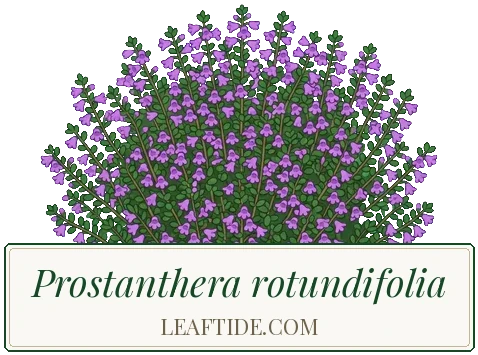
Mint bush is a small evergreen shrub from south-eastern Australia, 1-2 m (3.5-6.5 ft) tall, with tiny round leaves that smell of mint when you brush past them. In spring it is smothered in lilac-purple bell-shaped flowers for several weeks. Plant it in full sun or light shade in very free-draining soil, in a spot sheltered from cold wind; it hates wet winter soil and being moved, so choose its place once. Water in dry spells but never keep it soggy, and feed lightly or not at all. Trim all over straight after flowering to keep it bushy, but never cut back into old bare wood. It survives only a few degrees of frost (about -5 °C, 23 °F), so grow it against a warm wall or in a pot you can move under cover. Plants are often short-lived, five to ten years, so take cuttings to replace an ageing shrub.
 In your Leaftide garden


- Height
- 1.5 m (5 ft)
- Spread
- 1.2 m (4 ft)
- Flowers
- April - May
- Light
- Full sun to part shade
- Water
- Moderate
- Feed
- Little or no feeding
Yearly Lifecycle
Care Essentials
Little or none. Plants in the ground need no feeding on reasonable soil; if growth is pale, give a light dressing of low-phosphorus slow-release fertiliser in early spring. Plants in pots can have a weak balanced feed once in spring.
Watch For
- Root rot and sudden collapse in wet or poorly drained soil
- Frost damage to shoot tips in cold winters
- Scale insects on stems
- Bare, woody base on old or unpruned plants
Companions
Westringia, Correa, Grevillea, Lavender, Rosemary
Care Requirements
Light
Full sun to part shade
Flowers most heavily in full sun, with the roots shaded by a gravel mulch or nearby plants. It also grows well in light or dappled shade, and appreciates shelter from cold, drying winds.
Watering
Moderate; water in dry spells, never waterlogged
Water weekly through the first summer, then deeply during long dry spells. The soil must drain freely; soggy ground, especially in winter, causes root rot. Water potted plants when the top few centimetres of compost are dry.
Fertilizing
Little or no feeding
Plants in the ground rarely need feeding. If growth is pale, give a light dressing of low-phosphorus slow-release fertiliser in early spring; rich feeding gives soft, short-lived growth.
Pruning
Light trim straight after flowering
Trim the whole bush lightly as the flowers fade, removing the flowered tips and up to a third of the soft growth. Never cut back into old, bare wood, which rarely regrows.
Spacing
90-120 cm (3-4 ft) apart
Plants reach 1-2 m (3.5-6.5 ft) tall and about 1.2 m (4 ft) wide. Space them 120 cm (4 ft) apart as specimens, or 90 cm (35 in) apart for a low informal hedge.
Support
No support needed
It forms a self-supporting rounded shrub. In windy spots a short stake for the first year stops it rocking, since its shallow roots dislike being disturbed.
Growing Tips
Choose its spot once
Mint bush has fine, shallow roots and often fails after being dug up and moved. Plant a young, small plant where it will stay, in sharp drainage, and do not dig or fork the soil around its base; a gravel mulch keeps the roots cool and the collar dry.
Trim every year, straight after flowering
A light all-over trim as the flowers fade keeps the bush dense and covered in bloom. Left unpruned it grows tall and bare at the base within a few years, and old bare wood rarely sprouts again, so little and often is the rule.
Keep a replacement coming
Even well-grown plants often decline after five to ten years. Semi-ripe cuttings taken in summer root easily in gritty compost, so take a few every couple of years and you will always have a young plant ready.
Pests & Diseases
Pest Scale Insects
Identification: Small brown or white bumps stuck along the stems, often with sticky honeydew and black sooty mould on the leaves below
- Rub the scales off with a soft brush or a thumbnail
- Cut out badly infested shoots after flowering
- Spray with a plant oil or fatty acid insecticide when the young crawlers are active in early summer
Disease Root Rot
Symptoms: The whole plant or large branches wilt and turn grey-brown within days, even though the soil is moist; the roots are dark and soft
Treatment: There is usually no saving a collapsed plant. Remove it, and replant a cutting-raised plant in a better-drained spot or a raised bed
Prevention: Plant in gritty, free-draining soil, do not overwater, and keep pots raised on feet so they drain in winter