How to Grow Midgen Berry
Austromyrtus dulcis
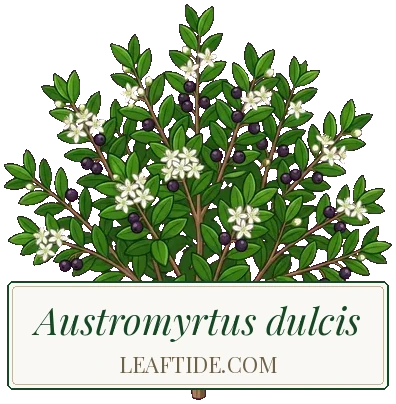
Midgen Berry is a low-maintenance Australian native evergreen shrub that produces sweet, edible white berries. Plant in full sun to part shade in well-drained, slightly acidic soil. Mulch well to retain moisture, water regularly during dry spells, and feed sparingly with a low-phosphorus native plant fertiliser in spring. It tolerates light frosts once established and makes an excellent low hedge or container plant.
 In your Leaftide garden


- Height
- 2 m (6.5 ft)
- Spread
- 2 m (6.5 ft)
- Harvest
- August - September
- Light
- Full sun to part shade
- Water
- Moderate
Yearly Lifecycle
Care Essentials
Spring with a balanced slow-release fertiliser. Organic compost or native plant food is ideal. Avoid high-phosphorus feeds which can damage Australian natives.
Watch For
- Aphids
- Mealybugs
- Scale insects
- Root rot in waterlogged soil
Companions
Lilly Pilly, Grevillea, Native grasses, Lomandra
Care Requirements
Light
Full sun to part shade
Thrives in at least 6 hours of direct sun for best berry production. Tolerates light afternoon shade, especially in hotter climates. Deep shade reduces flowering and fruiting.
Watering
Moderate; allow to dry slightly between waterings
Water regularly during dry spells, especially when young. Once established, Midgen Berry is reasonably drought-tolerant. Avoid waterlogged conditions as root rot can occur.
Fertilizing
Low-phosphorus native plant fertiliser in spring
Apply a balanced, low-phosphorus fertiliser or native plant food once in spring. Avoid standard high-phosphorus garden fertilisers which can harm Australian natives. Well-composted organic matter is a safe alternative.
Pruning
Light tidy in late winter; shape after harvest
Remove dead or crossing branches in late winter. The plant can be lightly trimmed into a hedge shape after fruiting. Avoid hard pruning as it removes next season's fruit buds.
Spacing
60–90 cm (24–35 in) for hedging; 1–1.5 m (3.5–5 ft) for specimens
Space more closely for a dense low hedge effect. Allow wider spacing for individually shaped specimen plants. Suits containers with at least 40 cm (16 in) diameter.
Support
No support needed
Midgen Berry is a self-supporting compact shrub that requires no staking or tying. It holds its shape naturally and can be lightly pruned to maintain a tidy form.
Growing Tips
Low-phosphorus feed only
Australian natives like Midgen Berry are sensitive to high phosphorus. Use native plant fertiliser or well-composted organic matter. Standard garden fertilisers can cause nutrient burn and poor growth.
Harvest quickly
Ripe berries are soft, white, and grey-blotched. They deteriorate within 24–48 hours of picking, so harvest in small amounts and use fresh, or freeze immediately for later use.
Works as a low hedge
Midgen Berry responds well to light shaping and is often trained as a low-growing hedge or border plant. Trim lightly after harvest each year to keep it compact.
Mulch to mimic native habitat
This plant naturally grows on sandy coastal soils with a thick leaf litter layer. A generous organic mulch replicates this and reduces watering frequency significantly.
Pests & Diseases
Pest Scale Insects
Identification: Small, flat or domed brown or waxy bumps on stems and leaf undersides, with sticky honeydew and black sooty mould on the leaves.
- Scrape off small numbers with a soft brush or fingernail and wipe away the honeydew.
- Spray with a fatty acid or plant oil insecticide when the young nymphs are active, and repeat as the label directs.
Pest Aphids
Identification: Clusters of small green or black insects on the soft, pink new shoots, causing curled growth and sticky honeydew.
- Squash small colonies by hand or wash them off with a jet of water.
- Encourage ladybirds and hoverflies, or spray with a fatty acid insecticide if numbers keep building.
Disease Myrtle Rust Austropuccinia psidii
Symptoms: Bright yellow, powdery spore masses on new shoots, young leaves and flower buds, which then become distorted and die back. It attacks plants in the myrtle family, which includes midgen berry.
Treatment: Cut off affected shoots promptly, seal them in a bag and bin them (do not compost). Where it is a regulated disease, report it to your plant health authority.
Prevention: Keep plants growing steadily with good drainage, avoid wetting the foliage, and check the soft new growth regularly.
Disease Root Rot
Symptoms: Leaves yellow and drop, growth stalls and the plant wilts although the soil is wet. Roots are dark and soft when dug up.
Treatment: Move a small plant to a raised bed or gritty soil, and water only when the top layer has dried. Badly rotted plants rarely recover.
Prevention: Plant in sandy, free-draining soil, never in a hollow where water gathers, and mulch rather than overwatering.