How to Grow Marrow
Cucurbita pepo
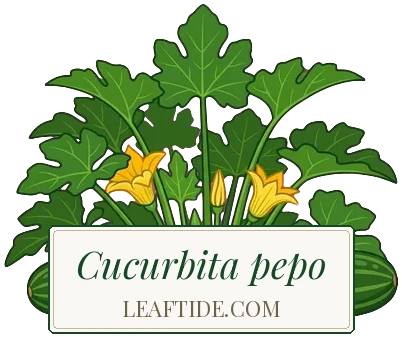
Marrows are warm-season cucurbits for full sun and rich, moisture-retentive soil. Start indoors late spring and plant out after frost, or direct sow under cloches. Water deeply and feed regularly once flowering. Allow fruits to mature on the plant; support on a tile or straw to keep dry. Pick when well-sized but before skin hardens fully for cooking; leave longer for exhibition or stuffing. Mulch to hold soil moisture and keep leaves off damp ground.
 In your Leaftide garden
- Hardiness
- Tender
- Season
- Warm Season
- Harvest
- Continuous Harvest
- Spacing
- 75 cm (30 in)
- Height
- 40 cm (16 in)
- Sow depth
- 2.5 cm (1 in)
- Min. soil temperature
- 12 °C+ (54 °F+)
- Start from
- Seed
- Light
- Full sun
- Water
- High
When to Start
Start seeds indoors 4 weeks before your last frost date. Transplant outdoors once night temperatures stay above 10 °C (50 °F) and soil has warmed to at least 12 °C (54 °F).
Don't know your frost date? Find it here →
Growth Stages
Approximate days from start
Care Essentials
- Once flowering begins, feed every two weeks with a high-potash liquid fertiliser. Before planting, enrich the soil generously with well-rotted compost or manure: marrows are hungry plants.
- Marrows need full sun, rich soil, and consistent moisture. Water deeply at the base each week and mulch well to retain moisture. In cool summers, hand-pollinate flowers to improve fruit set.
Companion Planting
Sweetcorn, Nasturtium, Marigolds
Growing Conditions
- Min. soil temperature
- 12 °C+ (54 °F+)
- Germination temperature
- 20–28 °C (68–82 °F)
Pet Safety
- Sow indoors
- —
- Transplant out
- —
- First harvest
- —
Want your full season plan with reminders? Set up your garden free


Spacing & Planting
| Plant spacing | 75 cm (30 in) |
| Row spacing | 85 cm (33 in) |
| Sow depth | 2.5 cm (1 in) |
| Mature height | 40 cm (16 in) |
| Mature spread | 1.2 m (4 ft) |
Marrows are trailing plants that need plenty of room. Train along the ground or over a compost heap. Allow at least 1 square metre per plant.
Companion Planting
Grows well with
- Sweetcorn
Marrows are a squash, the third member of the traditional Three Sisters planting with sweetcorn and beans; their broad leaves shade the soil around the corn. Plant them between blocks of established corn, about a metre apart, so they have room to trail.
- Nasturtium
Nasturtiums are used as a trap crop near marrows, drawing aphids such as blackfly away from them. Both plants sprawl, so set the nasturtiums along the edge of the bed and pull out any that become thick with aphids.
- Marigolds
Marigolds flower all summer and attract pollinating insects, which marrows need to set fruit. Single-flowered marigolds are easier for bees to reach; plant them around the edge of the marrow bed where the leaves will not smother them.
Keep away from
- Potato
Marrows and potatoes are both hungry crops, and planted close together they compete for nutrients and water. Grow them in separate beds with plenty of compost; potatoes also need earthing up, which is hard once marrow vines have spread across the bed.
Pests & Diseases
Pest Slugs and Snails
Identification: Holes in leaves and stems, particularly damaging to young plants
- Physical barriers around young plants
- Beer traps
- Hand picking at dusk
- Slug pellets - use sparingly
Pest Aphids
Identification: Small insects clustering on undersides of leaves and new growth
- Insecticidal soap
- Strong water spray
- Encourage natural predators
- Approved systemic insecticides
Disease Powdery Mildew
Symptoms: White powdery coating on leaves, more common late in season
Treatment: Remove affected leaves, improve ventilation
Prevention: Good air circulation, water at soil level, avoid overcrowding
Disease Grey Mould (Botrytis) Botrytis cinerea
Symptoms: Fuzzy grey mould on fruits and stems
Treatment: Remove affected parts, improve growing conditions
Prevention: Good air circulation, remove damaged fruits promptly
Growing Conditions
| Min. soil temperature | 12 °C (54 °F) |
| Germination temperature | 20–28 °C (68–82 °F) |
| Base growth temperature | 10 °C (50 °F) |
| Min. daylength to start | 10 h |
| Photoperiod sensitivity | day neutral |
Frequently Asked Questions
- How far apart should I plant marrow?
- Plant marrow 75 cm (30 in) apart, with 85 cm (33 in) between rows.
- When can I harvest marrow?
- Marrow is ready to harvest approximately 45 days after transplanting.
- What grows well with marrow?
- Marrow grows well with sweetcorn, nasturtium, marigolds.
- Is marrow frost hardy?
- No, marrow is tender.