How to Grow Lucky Bamboo
Dracaena sanderiana
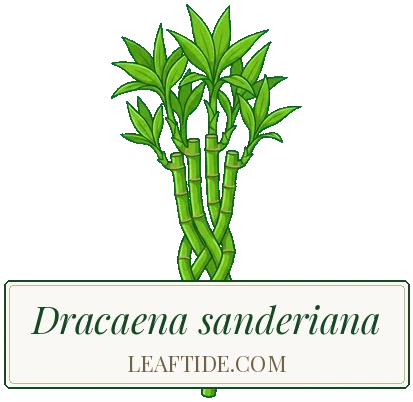
Lucky bamboo is actually a Dracaena (D. sanderiana), not a bamboo at all. It is one of the easiest houseplants, growing happily in just water and pebbles or in soil. The key care requirement is water quality: use filtered, distilled, or rainwater because chlorine and fluoride in tap water cause yellow leaves and brown tips. Change water every 1-2 weeks if growing hydroponically. Keep in low to medium indirect light (direct sun burns the leaves). It tolerates low light well, making it perfect for offices and bathrooms. Toxic to cats and dogs.
 In your Leaftide garden


- Height
- 1 m (3.5 ft)
- Spread
- 30 cm (12 in)
- Light
- Bright indirect light
- Water
- Moderate
Yearly Lifecycle
Care Essentials
If grown in water, add a single drop of balanced liquid fertiliser to the water once a month during spring and summer. If grown in soil, feed monthly with diluted liquid fertiliser. Overfertilising causes yellow leaves.
Watch For
- Algae growth in water containers: use opaque vases
- Yellow leaves from direct sunlight, chlorinated water, or overfertilising
- Mushy stems from bacterial rot in stagnant water
- Mealybug and spider mites in dry conditions
- Brown leaf tips from fluoride or chlorine in tap water
Pet Safety
Care Requirements
Light
Low to medium indirect light
Thrives in low to medium indirect light. Direct sunlight causes leaf burn. Tolerates low light well, making it ideal for offices and bathrooms.
Watering
Change water weekly if hydroponic
If grown in water, change completely every 1-2 weeks to prevent bacterial rot. Use filtered, distilled, or rainwater as it is sensitive to chlorine and fluoride. In soil, water when the top 2 cm (¾ in) feels dry.
Fertilizing
One drop monthly in growing season
Add a single drop of balanced liquid fertiliser to the water once a month in spring and summer. Less is more. Overfertilising causes yellow leaves.
Growing Tips
Keep the roots and some stem under water
In a vase, keep the water deep enough to cover the roots and at least 2-3 cm (¾-1 in) of stem. Pebbles or glass marbles at the bottom hold the stalks upright.
Root the leggy shoots
When side shoots get long and leggy, cut them off where they join the main stalk, strip the lowest leaves and stand them in water. New roots usually form in two to three weeks, giving you new plants.
Keep it warm all year
It is a tropical plant. It can go outside in a shady spot in summer once nights stay above about 18 °C (64 °F); bring it back in when they drop below that.
Pests & Diseases
Pest Spider Mites
Identification: Fine pale speckling on the leaves, which turn dull and yellowish; in heavy attacks you see fine webbing between leaves and stems.
- Wash the leaves, upper and lower sides, under lukewarm running water and repeat weekly until no new speckling appears.
- If rinsing is not enough, spray with insecticidal soap, following the label.
Pest Mealybugs
Identification: White, cottony tufts where the leaves join the stalk and in the leaf folds, often with sticky honeydew.
- Pick them off by hand or with a cotton bud dipped in rubbing alcohol (surgical spirit).
- Rinse the plant and keep it apart from other houseplants until it is clean.
Disease Stem Rot
Symptoms: A stalk turns yellow from the base, then soft and mushy, often with a bad smell from the water.
Treatment: Take the rotting stalk out at once so it doesn't spread to the others, then rinse the container and pebbles and refill with fresh water. If the top is still green and firm, cut it off above the rot and root it in fresh water.
Prevention: Change the water every week or two. In soil, water only when the top 2 cm (¾ in) is dry and never leave the pot standing in water.
Disease Brown Leaf Tips
Symptoms: Leaf tips and edges turn brown and dry, usually from fluoride, chlorine or salts building up in tap water, or from very dry air.
Treatment: Trim the brown tips with clean scissors, following the leaf's natural shape, and switch to rainwater, filtered or distilled water.
Prevention: Use rainwater or filtered water, replace the water rather than just topping it up, and keep the plant away from radiators.