How to Grow Lomandra
Lomandra longifolia
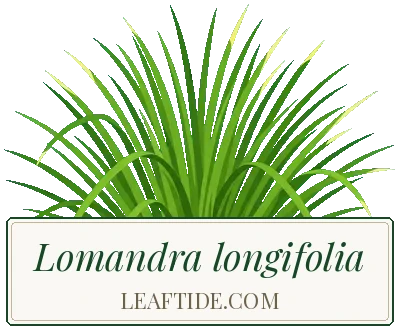
Lomandra is a tough, drought-tolerant Australian native grass with strap-like leaves forming a dense clump. Plant in any well-drained soil from full sun to heavy shade. Needs almost no care once established. Cut back hard every few years to rejuvenate. Excellent for mass planting, borders, erosion control, and low-maintenance gardens.
 In your Leaftide garden


- Height
- 1 m (3.5 ft)
- Spread
- 1 m (3.5 ft)
- Light
- Full sun to part shade
- Water
- Low
Yearly Lifecycle
Care Essentials
Once in spring with a slow-release native plant fertiliser. Lomandra is a light feeder and does not need heavy fertilising.
Watch For
- Root rot in waterlogged soil
- Occasional leaf tip browning in extreme drought
Care Requirements
Light
Full sun to heavy shade
Extremely adaptable. Grows in any light condition from full sun to dense shade, though flowering is best in sun.
Watering
Almost none once established
Extremely drought-tolerant once established. Water regularly only during the first growing season. Tolerates poor drainage better than most grasses but dislikes waterlogging.
Fertilizing
Light native fertiliser in spring
A single application of slow-release native plant fertiliser in spring is sufficient. Lomandra is a light feeder and thrives on neglect.
Pruning
Hard cutback every 2-3 years
Cut the entire clump to 15-20 cm (6-8 in) in late winter every 2-3 years to rejuvenate. Remove brown or damaged leaves any time.
Growing Tips
Cut a tired clump back hard
Every few years, shear the whole clump down to about 10–15 cm (4–6 in) in late winter or early spring, before new growth starts. Leave the crown itself uncut: fresh, clean leaves regrow from it and the clump looks tidy again.
A good plant for awkward spots
Lomandra copes with sun or shade, poor or heavy soil, coastal wind and short spells of wet ground, so it suits places where other grasses struggle. Water it well through its first dry spells while it settles in.
Male and female plants
Lomandra longifolia plants are either male or female. Both carry small, scented, creamy-yellow flowers among the leaves in spring, but only the females go on to set seed. Seed-raised plants can be either, so you will not know which you have until they flower.
Pests & Diseases
Disease Browning Leaf Tips
Symptoms: Leaf tips turn brown and crisp during a long drought, most often on young plants or those in pots. The rest of the clump stays green.
Treatment: Trim the brown tips with sharp scissors or shears; the browned part will not green up again. Give a deep soak every week or two while the dry spell lasts.
Prevention: Water newly planted clumps deeply through their first dry seasons, and mulch around the crown without burying it.