How to Grow Linaria
Linaria maroccana
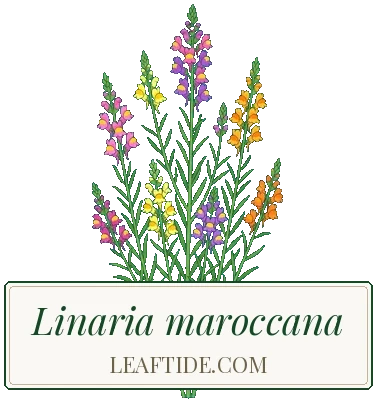
Linaria is a fast-growing hardy annual producing masses of tiny snapdragon-like flowers in a vivid mix of pink, purple, yellow, orange, and white on slender upright stems. Direct sow in spring or autumn in full sun and poor to average, well-drained soil. Thin to 15 cm (6 in). Shear back by half after the first flush to encourage a second wave of blooms. Self-seeds readily. One of the easiest and most cheerful fillers for borders and cottage gardens.
 In your Leaftide garden


- Hardiness
- Hardy
- Season
- Cool Season
- Harvest
- Continuous Harvest
- Spacing
- 15 cm (6 in)
- Height
- 40 cm (16 in)
- Sow depth
- 0.1 cm (¼ in)
- Min. soil temperature
- 7 °C+ (45 °F+)
- Start from
- Seed
- Light
- Full sun
- Water
- Low
When to Start
Direct sow outdoors as soon as soil reaches 7 °C (45 °F) — typically early to mid spring. Hardy enough to tolerate light frosts.
Don't know your frost date? Find it here →
Growth Stages
Approximate days from start
Care Essentials
- No feeding required. Thrives in poor to average, well-drained soil. Rich soil produces excessive foliage at the expense of flowers.
- Very easy, fast-growing hardy annual. Direct sow where it is to flower. Self-seeds freely in suitable conditions. Excellent for filling gaps in borders and for cottage garden drifts.
Growing Conditions
- Min. soil temperature
- 7 °C+ (45 °F+)
- Germination temperature
- 15–20 °C (59–68 °F)
Spacing & Planting
| Plant spacing | 15 cm (6 in) |
| Row spacing | 25 cm (10 in) |
| Sow depth | 0.1 cm (¼ in) |
| Mature height | 40 cm (16 in) |
| Mature spread | 15 cm (6 in) |
Direct sow in drifts and thin to final spacing. Can also be broadcast sown for a natural meadow effect. Close spacing encourages upright growth.
Pests & Diseases
Pest Aphids
Identification: Clusters of small green or black insects on the shoot tips and flower spikes, with sticky honeydew and distorted new growth.
- Squash small colonies or wash them off with a jet of water.
- Leave ladybirds, hoverfly larvae and lacewings to feed on them.
Disease Powdery Mildew
Symptoms: White, powdery patches on the leaves and stems, usually in dry spells when the roots are short of water. Badly affected leaves yellow and shrivel.
Treatment: Cut out the worst-affected stems. Late in the season, pull up badly affected plants, which are fading by then anyway.
Prevention: Water in dry spells so the soil does not dry out completely, and thin seedlings to 15 cm (6 in) so air moves between them.
Growing Conditions
| Min. soil temperature | 7 °C (45 °F) |
| Germination temperature | 15–20 °C (59–68 °F) |
| Base growth temperature | 5 °C (41 °F) |
| Min. daylength to start | 9 h |
| Photoperiod sensitivity | day neutral |
Frequently Asked Questions
- How far apart should I plant linaria?
- Plant linaria 15 cm (6 in) apart, with 25 cm (10 in) between rows.
- When does linaria flower?
- Linaria typically flowers approximately 60 days after transplanting.
- Is linaria frost hardy?
- Yes, linaria is hardy.