How to Grow Lemon Beebalm
Monarda citriodora
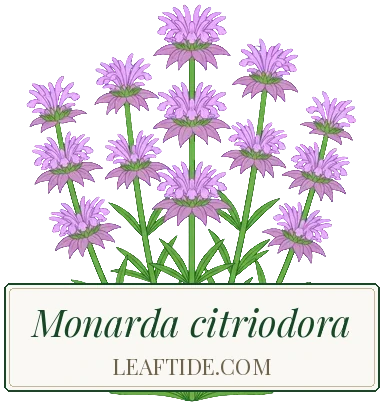
Lemon beebalm is an easy annual wildflower for full sun and dry, lean, well-drained soil, including limestone and sand. In Texas and other mild-winter areas, scatter seed in autumn and press it onto the surface; the rosettes overwinter and flower from late spring into summer. Elsewhere, start seed indoors about eight weeks before the last frost, uncovered, and plant out at about 30 cm (12 in) apart. Water only until plants are established, never feed, and leave some seed heads standing if you want it back next year.
 In your Leaftide garden
- Hardiness
- Hardy
- Season
- Warm Season
- Harvest
- Continuous Harvest
- Spacing
- 30 cm (12 in)
- Height
- 60 cm (24 in)
- Min. soil temperature
- 13 °C+ (55 °F+)
- Start from
- Seed
- Light
- Full sun
- Water
- Low
When to Start
Direct sow outdoors as soon as soil reaches 13 °C (55 °F) — typically early to mid spring. Can also be started indoors 8 weeks earlier for a head start.
Don't know your frost date? Find it here →
Growth Stages
Approximate days from start
Care Essentials
- Do not feed. Lemon beebalm grows wild on dry, poor prairie soils; fertiliser gives soft, floppy stems that are more prone to mildew.
- A native of Texas, the southern Great Plains and northern Mexico, grown as an annual and occasionally lasting a second year. In Texas it is a winter annual: seed sown or dropped in autumn forms low rosettes that sit through winter freezes, then shoots up in spring and flowers from late spring into summer. Elsewhere sow it in spring. The square stems carry stacked whorls of pink-lavender to purple flowers with leafy bracts, loved by bees, butterflies and hummingbirds, and the leaves smell of lemon when crushed.
Growing Conditions
- Min. soil temperature
- 13 °C+ (55 °F+)
- Germination temperature
- 15–24 °C (59–75 °F)
- Sow indoors
- —
- Transplant out
- —
- First harvest
- —
Want your full season plan with reminders? Set up your garden free


Spacing & Planting
| Plant spacing | 30 cm (12 in) |
| Row spacing | 40 cm (16 in) |
| Sow depth | On the surface |
| Mature height | 60 cm (24 in) |
| Mature spread | 30 cm (12 in) |
An annual (sometimes biennial) wildflower that reseeds freely. Sow direct in autumn where winters are mild, or start indoors about eight weeks before the last frost, and thin or plant at about 30 cm (12 in) apart.
Pests & Diseases
Pest Aphids
Identification: Clusters of small green, black or grey insects on shoot tips and flower buds, with sticky honeydew, curled or distorted growth and sometimes black sooty mould.
- Rub small colonies off by hand or wash them off with a jet of water.
- Encourage ladybirds, hoverflies and lacewings, which eat them.
- For a bad outbreak, spray with insecticidal soap, covering the undersides of leaves.
Disease Powdery Mildew
Symptoms: A white, powdery coating on leaves, stems and buds, which then yellow, curl and drop early.
Treatment: Cut off and bin badly affected leaves; do not compost them. Water the soil rather than the leaves, and thin crowded growth so air moves through.
Prevention: Space plants so air moves freely and keep the soil from drying out completely, since stressed plants are hit first.
Growing Conditions
| Min. soil temperature | 13 °C (55 °F) |
| Germination temperature | 15–24 °C (59–75 °F) |
| Base growth temperature | 5 °C (41 °F) |
| Photoperiod sensitivity | day neutral |
Frequently Asked Questions
- How far apart should I plant lemon beebalm?
- Plant lemon beebalm 30 cm (12 in) apart, with 40 cm (16 in) between rows.
- When does lemon beebalm flower?
- Lemon beebalm typically flowers approximately 55 days after transplanting.
- Is lemon beebalm frost hardy?
- Yes, lemon beebalm is hardy.