How to Grow Lachenalia
Lachenalia aloides
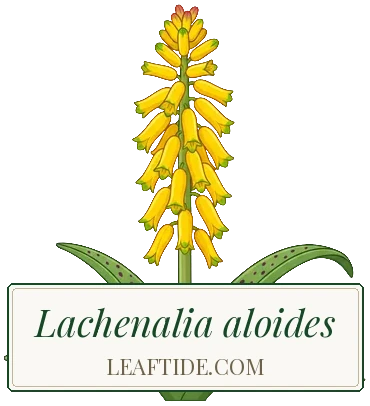
Lachenalia, the Cape cowslip, is a small South African bulb that grows through the cool months and rests in summer, the opposite of most bulbs. It makes a pair of fleshy strap leaves, often spotted with maroon, and from late winter into spring sends up short stems of hanging tubular bells in yellow, orange and red. It is not frost hardy, so in most climates grow it in a pot in a cool greenhouse, conservatory or on a bright, cool windowsill, and only grow it outdoors where frost is rare. Pot the bulbs in late summer or early autumn in gritty compost, water once to start them and keep watering lightly as the leaves grow. Keep it bright and cool, around 7-15 °C (45-59 °F), so it stays compact. When the leaves yellow in late spring, stop watering and keep the pot completely dry over summer.
 In your Leaftide garden


- Height
- 25 cm (10 in)
- Spread
- 15 cm (6 in)
- Flowers
- February - May
- Light
- Full sun
- Water
- Moderate
Yearly Lifecycle
Care Essentials
A half-strength high-potash liquid feed every two weeks from when the flower buds show until the leaves start to yellow. No feeding while dormant.
Watch For
- Bulb rot from wet compost, especially during the summer rest
- Leggy, floppy growth in warm rooms or poor light
- Aphids on flower buds and young leaves
- Vine weevil grubs eating bulbs in pots
Care Requirements
Light
Full sun or the brightest spot under glass
Give it full sun outdoors or the brightest place you have under glass or indoors, such as a sunny greenhouse bench or windowsill. In poor light the leaves and stems stretch and flop and the flower colours fade.
Watering
Moderate while in leaf, completely dry in summer
After one thorough watering to start growth in early autumn, keep the compost just moist while the plant is in leaf and flower, letting the surface dry between waterings. Stop watering when the leaves yellow in late spring and keep the bulbs dry until early autumn.
Fertilizing
Low-nitrogen liquid feed every two weeks from bud to leaf yellowing
Once the flower buds show, give a dilute high-potash liquid feed, such as tomato feed, every two weeks until the leaves start to yellow. This builds up the bulbs for next year's flowers. Rich, nitrogen-heavy feeding gives soft, floppy growth.
Pruning
Remove spent flower stems and dead leaves
Cut faded flower stems off at the base unless you want seed. Leave the leaves to yellow and wither naturally so they feed the bulbs, then pull them away once they come off easily.
Spacing
About 5 cm (2 in) apart, 6-8 bulbs per 15 cm (6 in) pot
Plant the bulbs about 5 cm (2 in) apart with their tips just below the surface, in a gritty, free-draining compost. A well-filled pot gives the best display. Outdoors in frost-free gardens, plant in small groups in a sunny, sharply drained spot.
Support
Usually none
The short flower stems stand on their own when the plant is grown cool and bright. If stems lean, it usually means too much warmth or too little light; a few thin twigs pushed into the pot will hold them up.
Growing Tips
Grow it cool and bright
Lachenalia wants the most light you can give it and cool temperatures, ideally 7-15 °C (45-59 °F) and never below about 5 °C (41 °F). In a warm room or poor light the leaves and flower stems stretch, flop and flower poorly, so a cool greenhouse, porch or unheated bright room suits it better than a heated living room.
The summer rest must be dry
Once the leaves yellow in late spring, stop watering completely and leave the bulbs dry in their pot until early autumn. Watering a dormant bulb in warm weather is the quickest way to rot it. Store the pot somewhere dry and out of the rain; a greenhouse shelf or a shed is fine.
Wake it with one good watering
In late summer or early autumn, repot the bulbs in fresh gritty compost if the pot is crowded, then water once thoroughly. Wait until the shoots appear before you water again, and then keep the compost just moist, never soggy.
Pests & Diseases
Pest Vine Weevil
Identification: Fat white C-shaped grubs with brown heads in the compost, eating the roots and hollowing out the bulbs, so growth stalls or collapses in autumn or winter. Adult weevils leave notches round leaf edges.
- Tip the pot out when growth stalls, pick out every grub and repot healthy bulbs in fresh gritty compost.
- Water pathogenic nematodes (Steinernema kraussei) into moist compost when the bulbs are started into growth in early autumn.
Disease Bulb Rot
Symptoms: Bulbs that were watered during the summer rest turn soft, brown and sometimes smelly. They then fail to shoot in autumn, or the leaves yellow and flop over soon after they appear.
Treatment: Tip out the bulbs and discard any that are soft or mushy. Repot firm bulbs in fresh, gritty compost and water only once to start growth.
Prevention: Keep the pot completely dry from when the leaves yellow until early autumn, in a warm, airy spot. Use a gritty mix and a pot with good drainage holes.