How to Grow Korean Pine
Pinus koraiensis
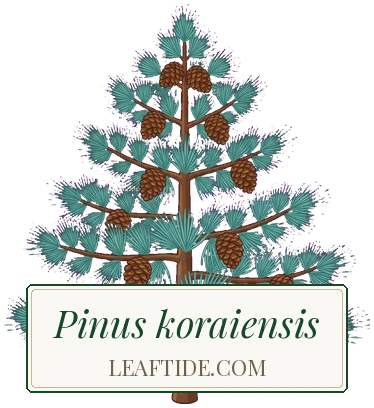
Korean pine is a large, slow-growing evergreen conifer with a pyramidal shape and soft blue-green needles in bundles of five. Much hardier than the Mediterranean stone pine (surviving to -35C), it is well suited to the UK climate. Plant in full sun in well-drained, slightly acidic soil. Water regularly for the first 2-3 years until established, after which it is drought-tolerant. Produces large edible pine nuts but cones take many years to develop. Allow plenty of space as it eventually reaches 20-30m (66-98 ft).
 In your Leaftide garden


- Height
- 25 m (82 ft)
- Spread
- 10 m (33 ft)
- Light
- Full sun
- Water
- Low
- Feed
- Rarely needed
- Prune
- Minimal
Yearly Lifecycle
Care Requirements
Light
Full sun; tolerates light shade when young
Needs full sun for best growth and form. Young trees tolerate light shade but become leggy. Tolerates exposed sites well once established.
Watering
Water until established; very drought tolerant thereafter
Water regularly for the first 2-3 years. Once established, Korean pine is very drought-tolerant and rarely needs supplemental watering.
Fertilizing
Rarely needed; spring mulch for young trees
Rarely needs feeding once established. Young trees benefit from a spring mulch of composted bark. Avoid high-nitrogen feeds.
Pruning
Minimal; remove dead wood only
Minimal pruning needed. Remove dead or damaged branches in late winter. Do not top or shape the tree.
Growing Tips
Much hardier than stone pine
Korean pine survives to -35C, making it fully hardy throughout the UK. Unlike Mediterranean stone pine, it thrives in cold, wet British winters without protection.
Patience for pine nuts
Korean pine produces large pine nuts, but trees take 15-20 years to start coning. The nuts are rich in oil and have an excellent flavour.
Pyramidal shape
Unlike the umbrella-shaped stone pine, Korean pine grows in a broad pyramidal form. Allow plenty of space as mature trees reach 20-30m (66-98 ft) tall and 8-10m (26-33 ft) wide.
Pests & Diseases
Disease White Pine Blister Rust Cronartium ribicola
Symptoms: Branch tips turn red-brown and die back, with swollen, roughened cankers on the bark that ooze resin and, in spring, show orange blisters of spores. The rust needs currants or gooseberries (Ribes) nearby to complete its life cycle, and five-needle pines such as Korean pine are susceptible.
Treatment: There is no cure once the canker reaches the trunk, and the tree usually declines over several years. On a young tree, cut out an infected branch well below the canker, in dry weather, while it is still away from the trunk. Bin or burn the prunings.
Prevention: Do not plant Korean pine close to currants, gooseberries or other Ribes, particularly blackcurrants. Choose an open site with good air movement, as spores need long spells of cool, damp air to infect.