How to Grow Golden Rain Tree
Koelreuteria paniculata
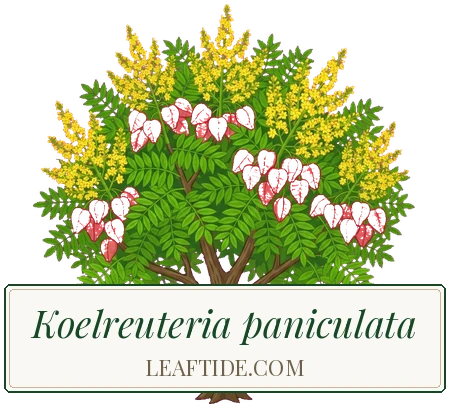
Golden rain tree is a sun-loving, drought-tolerant specimen tree grown for its summer yellow flower panicles, papery seed pods, and pinnate foliage with a bronze flush when young. It thrives in hot, dry, exposed positions where many other trees struggle, ideal for urban gardens and hot dry slopes. Plant in full sun and well-drained soil. Pruning needs are minimal; remove dead or crossing branches in late winter. Established trees are very self-sufficient.
 In your Leaftide garden


- Height
- 9 m (30 ft)
- Spread
- 7 m (23 ft)
- Flowers
- July - August
- Light
- Full sun
- Water
- Low
Yearly Lifecycle
Care Essentials
Apply a balanced slow-release fertiliser in spring when young. Established trees need little feeding. Avoid high-nitrogen feeds that promote soft growth at the expense of flowering.
Watch For
- Coral spot
- Canker
- Leaf spot
Companions
Gleditsia, Cercis, Catalpa, Ornamental grasses
Care Requirements
Light
Full sun, hot position
Thrives in full sun and hot, dry conditions. Plant in the warmest spot available. Tolerates reflected heat from walls and paving where other trees struggle.
Watering
Drought-tolerant once established
Water during dry spells in the first 2-3 years. Once established, very drought-tolerant and thrives in hot dry conditions with minimal supplemental watering.
Fertilizing
Slow-release when young, none when mature
Apply a balanced slow-release fertiliser in spring when young. Established trees need little feeding. Avoid high-nitrogen feeds that promote soft growth over flowering.
Pruning
Minimal, late winter only
Prune in late winter while fully dormant. Remove dead, damaged, or crossing branches only. The tree naturally develops an attractive rounded crown with minimal intervention.
Growing Tips
Do not give up on it in spring
Golden rain tree is one of the last trees to come into leaf, and a healthy one can look bare and dead well after its neighbours have leafed out. Scratch a twig to check for green, and wait before cutting anything out.
Give it the hottest, sunniest spot
It flowers and sets its papery lantern pods best after a warm summer, in full sun with well-drained soil. In a cool, shady garden, expect fewer flowers and pods.
Pests & Diseases
Disease Coral Spot Nectria cinnabarina
Symptoms: Clusters of small, bright coral-pink pustules on dead twigs and branches, which can then spread into living wood and kill shoots. It often starts on pruning stubs or stressed wood.
Treatment: On a dry day, cut off affected branches well below the pustules into clean, healthy wood. Clear and bin all prunings, and do not compost them.
Prevention: Prune cleanly with sharp tools just above a bud or branch collar, leaving no stubs, and remove dead wood promptly.