How to Grow Handkerchief Tree
Davidia involucrata
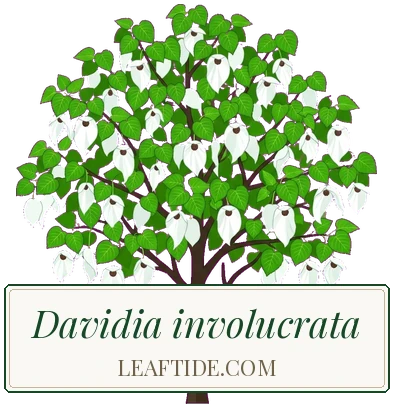
Plant in moist, fertile, well-drained soil in a sheltered position: the large white bracts are easily torn by wind. Full sun to partial shade suits it well. This is a long-term investment; grafted trees flower in 5-8 years, seed-grown trees in 10-15. Mulch generously each spring and water during dry spells for the first few years. Pruning is rarely needed beyond removing dead wood in late autumn.
 In your Leaftide garden


- Height
- 12 m (39 ft)
- Spread
- 8 m (26 ft)
- Flowers
- May - October
- Light
- Full sun to part shade
- Water
- Moderate
Yearly Lifecycle
Care Essentials
Mulch with well-rotted compost or leaf mould in spring. Established trees need little supplementary feeding.
Watch For
- Honey fungus
- Phytophthora root rot
- Leaf scorch from late frosts
Companions
Rhododendrons, Magnolias, Hostas, Ferns
Care Requirements
Light
Full sun to partial shade
Grows well in full sun to partial shade. Young trees benefit from light dappled shade. Shelter from cold winds is important to protect the large bracts from tearing.
Watering
Moist soil, water when young
Prefers moist, well-drained soil. Water young trees deeply during dry spells for the first 3-5 years. Once established, reasonably drought-tolerant but benefits from watering in prolonged dry periods.
Fertilizing
Spring mulch with compost
Mulch generously with well-rotted compost or leaf mould in spring. This retains moisture and slowly feeds the deep root system. Established trees need little supplementary feeding.
Pruning
Minimal, remove deadwood only
Minimal pruning required. Remove dead or damaged wood in late autumn. Shape only when young to establish a clear leader. Davidia resents hard cutting.
Growing Tips
Be patient for the bracts
Grown from seed, a handkerchief tree can take ten years or more to flower. A named, early-flowering form such as 'Sonoma' usually flowers much sooner, so buy a named plant if you want bracts within a few years.
Shelter from wind and frost
The large bracts catch the wind and tear, and a sheltered site also protects the new growth from late frost. Choose a spot with shelter and room: it reaches 8-12 m (26-39 ft) tall and spreads wide.
Keep the roots moist while young
It dislikes drying out. Mulch the root zone in late spring and water young trees in dry spells until they are established, then they cope far better with the occasional dry year.
Pests & Diseases
Disease Honey Fungus Armillaria
Symptoms: Small, pale or wilting leaves, dying branches, and honey-coloured toadstools around the base in autumn. Peel back bark at the base to find white fungus sheets, and look for black bootlace-like strands (rhizomorphs) in the soil.
Treatment: There is no cure. Dig out the dead tree with as many roots as you can, bin them rather than composting them, and replant with a tree that is less susceptible.
Prevention: Avoid wounding the trunk base and roots, and keep old stumps and dead roots out of the ground near new plantings.
Disease Late Frost Damage
Symptoms: Young leaves and flower buds turn brown and shrivel after a frost once growth has started, and the white bracts can be spoiled too. The tree normally recovers and puts out fresh leaves.
Treatment: Leave it alone: the tree usually makes new growth. Prune out only branches that stay bare once the new leaves are open.
Prevention: Plant in a sheltered spot out of cold-air pockets, and cover young trees with horticultural fleece on nights when frost is forecast after the buds have broken.