How to Grow Correa
Correa reflexa
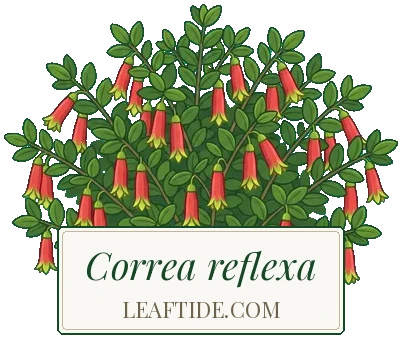
Correa is a winter-flowering Australian native shrub with distinctive bell-shaped flowers in red, pink, or green that attract nectar-feeding birds. Plant in well-drained soil in dappled shade to part sun. Very drought-tolerant once established. Use low-phosphorus fertiliser only. Lightly prune after flowering to maintain shape. Ideal for shaded areas, woodland gardens, and providing winter colour.
 In your Leaftide garden


- Height
- 1.5 m (5 ft)
- Spread
- 1.5 m (5 ft)
- Flowers
- November - December
- Light
- Part shade
- Water
- Low
Yearly Lifecycle
Care Essentials
Once in spring with a low-phosphorus native plant fertiliser. Correas are sensitive to excess phosphorus.
Watch For
- Root rot in heavy or waterlogged soils
- Scale insects on stems
- Phytophthora in humid conditions
Care Requirements
Light
Dappled shade to part sun
Prefers dappled shade or morning sun with afternoon shade. Tolerates more sun in cool climates. Hot afternoon sun can stress the plant.
Watering
Drought-tolerant once established
Water regularly during the first year. Once established, very drought-tolerant and needs supplementary watering only in extreme heat. Avoid waterlogging at all times.
Fertilizing
Low-phosphorus feed once in spring
Apply a low-phosphorus native plant fertiliser once in spring. Correas are sensitive to excess phosphorus which causes leaf burn and decline. Never use standard garden fertilisers.
Pruning
Light tip-prune after flowering
Lightly tip-prune after flowering finishes in spring to keep a compact, bushy shape. Avoid cutting into old bare wood as it will not regrow.
Growing Tips
Tip-prune after flowering, never into bare wood
Trim the shoot tips lightly once flowering finishes to keep the plant bushy. Old bare wood will not reshoot, so never cut back below the leafy growth.
Feed lightly with a low-phosphorus fertiliser
Correas are sensitive to phosphorus, which burns the leaves and weakens the plant. Use a native plant or low-phosphorus fertiliser once in spring, and skip ordinary garden feeds.
Plant it where you can see the bells
The tubular flowers hang down, so they are easiest to enjoy at eye level or from below: a raised bed, a bank or a pot near a path. Dappled shade, or morning sun with shade later in the day, suits it best.
Pests & Diseases
Pest Scale Insects
Identification: Small brown or tan bumps stuck to stems and leaf undersides, with sticky honeydew and black sooty mould on the foliage below.
- Wipe or scrape them off with a soft cloth or cotton bud dipped in soapy water, and repeat weekly.
- Spray with a fatty acid or plant oil insecticide, covering the stems and undersides of leaves, and repeat as the label directs.
Disease Root Rot (Phytophthora) Phytophthora cinnamomi
Symptoms: Leaves yellow and wilt, shoots die back and the whole plant declines, usually in heavy or waterlogged soil and in humid, warm weather. The roots are dark and brittle or mushy.
Treatment: There is no cure once it is established. Cut out dead stems, stop overwatering and move or replace the plant, in free-draining soil, if it keeps going downhill.
Prevention: Plant in very free-draining soil, on a mound or raised bed if your soil is heavy, never overwater, and avoid planting where another plant has just died of root rot.