How to Grow Sweetspire
Itea virginica
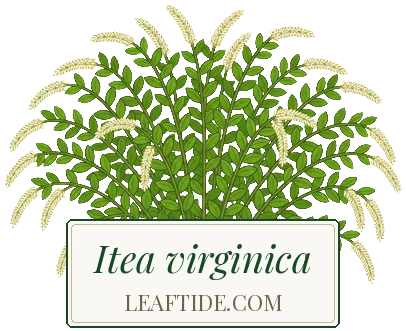
Sweetspire (Itea virginica) is a graceful deciduous shrub producing fragrant white bottlebrush flower spikes in early summer, followed by spectacular autumn colour from orange through crimson. It tolerates wet soils unusually well and is largely pest-free. Prune after flowering since it blooms on old wood. It suckers gently to form loose colonies over time.
 In your Leaftide garden


- Height
- 1.5 m (5 ft)
- Spread
- 1.2 m (4 ft)
- Flowers
- June - August
- Light
- Full sun to part shade
- Water
- High
- Feed
- Light spring feed
- Prune
- Prune after flowering
Yearly Lifecycle
Care Essentials
Light feed in spring with a balanced fertiliser. Mulch with compost annually. Tolerates poor soils once established.
Watch For
- Occasional leaf spot in wet conditions
Care Requirements
Light
Full sun to partial shade; best colour in sun
Full sun to partial shade. Best autumn colour in full sun. Tolerates shade but becomes leggy and flowers less freely.
Watering
Tolerates wet soils; low maintenance once established
Tolerates wet soils better than most shrubs. Keep moist in the first year. Once established, rarely needs watering unless in very dry conditions.
Fertilizing
Light spring feed; annual compost mulch
Light balanced feed in spring. Mulch annually with compost. Not a heavy feeder.
Pruning
Prune after flowering; blooms on old wood
Prune immediately after flowering in late summer. Flowers on old wood so winter or spring pruning removes flower buds. Remove dead or crossing branches in late winter.
Growing Tips
Loves wet feet
Unlike most shrubs, sweetspire thrives in moist to wet soils. It's an excellent choice for rain gardens, stream banks, or poorly drained areas where other shrubs struggle.
Prune after flowering only
Flowers form on previous year's wood. Prune only after flowering finishes in late summer, never in winter or spring, or you'll lose next year's blooms.
Sun for best autumn colour
Autumn colour is best in full sun but the plant tolerates partial shade. In deep shade it becomes leggy and flowers less.
Pests & Diseases
Disease Leaf Spot
Symptoms: Small brown or purple-brown spots on the leaves, sometimes joined into larger patches, in wet seasons or where air is still. Usually only cosmetic on this shrub.
Treatment: Rake up and bin fallen leaves in autumn. That is usually enough; a healthy plant needs no spray.
Prevention: Leave space between shrubs for air to move, and water at the base rather than over the leaves.
Disease Scorched Leaves in Dry Soil
Symptoms: Leaf edges turn brown and crisp and leaves may drop early when the soil stays dry for long, since this shrub is used to damp ground.
Treatment: Water deeply and regularly through dry spells and mulch the root area to hold moisture. Cut out dead twigs once new growth shows.
Prevention: Plant it where the soil stays moist, such as a pond edge or a low spot, and mulch every year.