How to Grow Chaste Tree
Vitex agnus-castus
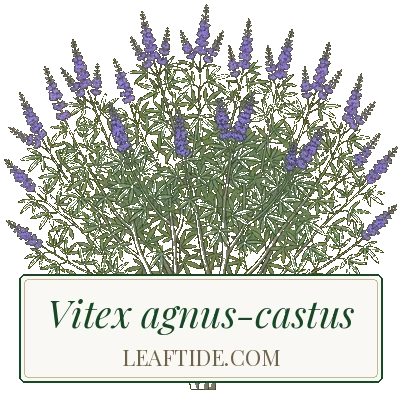
Chaste Tree is a fast-growing, drought-tolerant shrub that produces long panicles of lilac-purple flowers from mid or late summer into autumn, earlier where summers are hot. It blooms on new wood, so prune hard in late winter to encourage vigorous growth and abundant flowers. Plant in full sun with well-drained soil. Once established, it requires minimal care, with no regular watering or feeding needed. Attracts butterflies, bees, and hummingbirds.
 In your Leaftide garden


- Height
- 3.5 m (11 ft)
- Spread
- 3 m (10 ft)
- Flowers
- August - September
- Light
- Full sun
- Water
- Low
- Feed
- Light spring feed
Yearly Lifecycle
Care Essentials
Light feed in spring; once established, rarely needs fertilizing.
Watch For
- Leaf spot
- Root rot (in poorly drained soil)
- Potential invasiveness in warm climates
Companions
Lavender, Russian Sage, Salvia, Butterfly Bush
Care Requirements
Light
Full sun (6+ hours direct sunlight)
Chaste Tree requires full sun for best flowering. At least 6 hours of direct sunlight daily. Tolerates light shade but blooms will be significantly reduced.
Watering
Drought tolerant once established; minimal watering needed
Water regularly during the first growing season to establish a deep root system. Once established, Chaste Tree is extremely drought tolerant and rarely needs supplemental watering. Overwatering and poor drainage cause root rot.
Fertilizing
Light spring feed; rarely needs fertilizing once established
Apply a balanced slow-release fertilizer in early spring if growth seems sluggish. Established plants in decent soil rarely need feeding. Over-fertilizing promotes foliage at the expense of flowers.
Pruning
Cut back hard in late winter; blooms on new wood
Prune hard in late winter or early spring before new growth begins. Since flowers form on current-season wood, hard pruning encourages more vigorous shoots and larger flower panicles. Can be cut back to 30-60 cm (12-24 in) from the ground annually.
Growing Tips
Blooms on new wood
Since flowers form on current-season growth, hard pruning in late winter actually increases bloom quantity. Do not be afraid to cut back hard.
Drought champion
Once established, Chaste Tree is one of the most drought-tolerant ornamental shrubs. Avoid overwatering: it prefers dry conditions and resents wet feet.
Long bloom season
Deadhead spent flower spikes to keep new ones coming into autumn.
Cold climate dieback
In Zone 6, the plant may die back to the ground in harsh winters. It regrows rapidly in spring, reaching 4-7 ft by summer. Treat as a herbaceous perennial in these climates.
Pests & Diseases
Disease Leaf Spot
Symptoms: Brown to dark spots on the leaves, which may yellow and drop early. In bad years it can strip most of the leaves, especially where the shrub is watered from overhead.
Treatment: Rake up and remove the fallen spotted leaves, and switch to watering at the base.
Prevention: Avoid overhead irrigation and give the shrub enough space for air to move through it.
Disease Root Rot
Symptoms: Wilting, yellowing and dieback of shoots although the soil is moist, leading to a slow decline. It happens in soil that stays wet or drains poorly.
Treatment: Cut back watering at once. A badly affected plant rarely recovers; replace it in a sunny, free-draining spot rather than the same wet ground.
Prevention: Plant in well-drained soil, on a slight mound in heavy clay, and water only during the first season and in long droughts.