How to Grow Calendula
Calendula officinalis
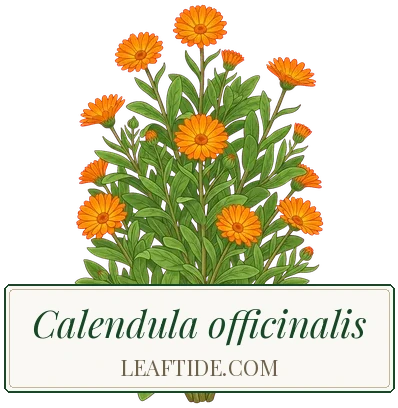
Calendula (pot marigold) is a hardy annual that thrives in full sun and well-drained soil, even if poor. Direct sow in spring or autumn for early blooms. Plants self-seed freely; deadhead to prolong flowering or leave some heads for reseeding. Water during prolonged droughts but avoid rich feeding, which encourages lush foliage over flowers. Excellent as a companion plant; petals are edible. Protect young seedlings from slug damage.
 In your Leaftide garden
- Hardiness
- Hardy
- Season
- Cool Season
- Harvest
- Continuous Harvest
- Spacing
- 25 cm (10 in)
- Height
- 50 cm (20 in)
- Sow depth
- 1 cm (½ in)
- Min. soil temperature
- 5 °C+ (41 °F+)
- Start from
- Seed
- Light
- Full sun to part shade
- Water
- Low
When to Start
Direct sow outdoors as soon as soil reaches 5 °C (41 °F) — typically early to mid spring. Can also be started indoors 4 weeks earlier for a head start.
Don't know your frost date? Find it here →
Growth Stages
Approximate days from start
Care Essentials
- Rarely needed. Thrives in poor to moderate soil.
- Also called pot marigold. Edible flowers and medicinal uses. One of the easiest annuals to grow.
Companion Planting
Tomato, Broccoli, Cabbage
Growing Conditions
- Min. soil temperature
- 5 °C+ (41 °F+)
- Germination temperature
- 15–20 °C (59–68 °F)
Pet Safety
- Sow indoors
- —
- Transplant out
- —
- First harvest
- —
Want your full season plan with reminders? Set up your garden free


Spacing & Planting
| Plant spacing | 25 cm (10 in) |
| Row spacing | 30 cm (12 in) |
| Sow depth | 1 cm (½ in) |
| Mature height | 50 cm (20 in) |
| Mature spread | 35 cm (14 in) |
Also known as Pot Marigold. Readily self-seeds but is not invasive. Thin seedlings to this spacing.
Companion Planting
Grows well with
- Tomato
A row of calendula near tomatoes brings in bees and beneficial insects such as hoverflies, which help with pollination and aphid control. Sow it at the front of the bed where it gets full sun, and pick the flowers often to keep new buds coming.
- Broccoli
Calendula flowers for months and attracts hoverflies, lacewings and other beneficial insects that prey on the aphids found on broccoli. Sow calendula at the ends of the broccoli rows and deadhead it regularly so it keeps flowering through the season.
- Cabbage
Calendula flowers draw in hoverflies, and their larvae feed on the aphids that cluster on cabbage leaves. Sow a few calendula plants around the cabbage bed in spring and deadhead them regularly so they keep flowering through summer.
- Pepper
Calendula attracts hoverflies and other beneficial insects that hunt the aphids often found on pepper plants. It self-seeds freely, so let a few plants drop seed near your peppers and you will have fresh seedlings to move into place next spring.
Pests & Diseases
Pest Aphids
Identification: Clusters of small green or black insects on stems and around flower buds, sticky honeydew, distorted growth
- Strong jet of water to dislodge
- Insecticidal soap spray
- Encourage ladybirds and hoverflies: calendula naturally attracts beneficial insects
- Fatty acid sprays
Pest Slugs and Snails
Identification: Seedlings eaten at ground level, irregular holes in young leaves, slime trails
- Beer traps
- Copper tape around pots
- Evening hand-picking
- Ferric phosphate slug pellets
Disease Powdery Mildew Golovinomyces cichoracearum
Symptoms: White powdery coating on leaves and stems, leaves yellow and die prematurely
Treatment: Remove badly affected leaves, improve air circulation
Prevention: Avoid overcrowding, water at soil level, pull out and replace severely affected plants
Disease Cucumber Mosaic Virus
Symptoms: Mottled yellow and green leaves, stunted growth, distorted flowers
Treatment: No cure; remove and destroy affected plants promptly to prevent spread
Prevention: Control aphids which spread the virus, remove infected plants immediately
Disease Downy Mildew
Symptoms: Yellow patches on the upper leaf surface with grey fuzzy growth underneath
Treatment: Remove and destroy affected leaves. Improve air circulation
Prevention: Avoid overhead watering, space plants well and clear plant debris
Growing Conditions
| Min. soil temperature | 5 °C (41 °F) |
| Germination temperature | 15–20 °C (59–68 °F) |
| Base growth temperature | 4 °C (39 °F) |
| Min. daylength to start | 8.5 h |
| Photoperiod sensitivity | day neutral |
Frequently Asked Questions
- How far apart should I plant calendula?
- Plant calendula 25 cm (10 in) apart, with 30 cm (12 in) between rows.
- When does calendula flower?
- Calendula typically flowers approximately 50 days after transplanting.
- What grows well with calendula?
- Calendula grows well with tomato, broccoli, cabbage.
- Is calendula frost hardy?
- Yes, calendula is hardy.