How to Grow Arctic Kiwi
Actinidia kolomikta
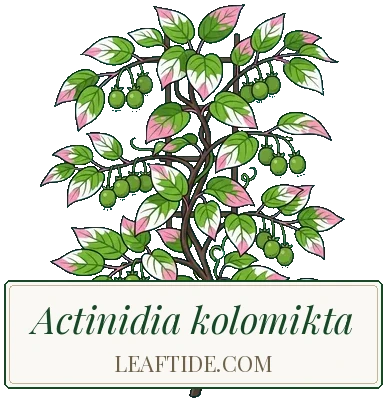
Arctic kiwi (Actinidia kolomikta) is the hardiest fruiting kiwi, tolerating -40C. The grape-sized fruit is eaten skin-on and ripens earlier than standard kiwi. You need both male and female plants for fruit: one male pollinates up to five females. The vine also has spectacular variegated leaves (green, white, and pink), especially on male plants in full sun. Train on a strong trellis or wire system. Prune lightly in winter and pinch back new shoots in summer.
 In your Leaftide garden


- Height
- 5 m (16 ft)
- Spread
- 2.5 m (8 ft)
- Spacing
- 2.5 m (8 ft)
- Harvest
- August - October
- Light
- Full sun
- Water
- Moderate
- Feed
- Balanced spring feed
- Prune
- Light winter tidy
Yearly Lifecycle
Care Essentials
Spring with a balanced fertiliser. Mulch with compost. Liquid feed fortnightly once fruit sets.
Watch For
- Cats (attracted to young plants)
- Late frost damage to flowers
- Aphids on new shoots
Fruit-Growing Planning Tools
Check winter chill hours for your location and verify pollination compatibility before planting.
Care Requirements
Light
Full sun for best fruiting and leaf colour
Full sun produces the best fruit crop and the most vivid variegated foliage. A warm, sunny wall or fence is ideal. Tolerates light shade but fruiting and variegation both suffer.
Watering
Regular watering, especially during fruit development
Water regularly from flowering through to harvest. More drought-tolerant than A. deliciosa once established, but consistent moisture during fruit swell improves crop size and quality.
Fertilizing
Balanced spring feed; high-potash liquid once fruit sets
Apply a balanced granular fertiliser in early spring. Mulch with compost. Once fruit sets, switch to a fortnightly liquid high-potash feed to support fruit development.
Pruning
Light winter tidy; summer pinch beyond fruit
In winter, remove dead and tangled growth. In summer, pinch new side shoots to 5-6 leaves beyond the fruit. Less vigorous than A. deliciosa so less pruning is needed overall.
Spacing
2.5-3m (8-10 ft) apart; one male per three to five females
Space plants 2.5-3m (8-10 ft) apart. Always plant at least one male for every three to five females: the male is essential for pollination and is not self-fertile.
Support
Sturdy trellis or wire system required
Provide a solid trellis, post-and-wire system, or pergola. Lighter than A. deliciosa but still a vigorous vine that needs firm support as it matures.
Growing Tips
You need male and female plants
Arctic kiwi is not self-fertile. Plant one male for every three to five females. The male also produces the most vivid pink and white variegated foliage.
Fruit is eaten skin-on
The grape-sized fruit has a smooth, edible skin, no peeling needed. Pick when slightly soft. Fruit ripens unevenly so harvest over a few weeks from late summer.
Spectacular foliage bonus
Even without fruit, this vine earns its place. Leaves develop striking white and pink variegation from midsummer onward, especially on male plants in full sun.
Protect young plants from cats
Like other Actinidia species, young plants are irresistible to cats. Guard with wire netting for the first 2-3 years until the stems are fully woody.
Pests & Diseases
Pest Aphids
Identification: Clusters of small green insects on soft new shoots and under young leaves, causing curled, sticky growth.
- Squash small colonies by hand or wash them off with a jet of water.
- Spray persistent colonies with a fatty acid or plant oil insecticide, repeating as the label directs, and not while the vine is in flower.
- Encourage ladybirds, lacewings and hoverflies by growing flowers nearby.
Disease Late Frost Damage
Symptoms: Young shoots and flower buds turn black and limp after a frost once growth has started. The woody stems are very hardy, but the new growth is not.
Treatment: Cut off blackened shoots to a healthy bud; the vine usually reshoots, though fruit may be lost that year.
Prevention: Avoid planting in a frost pocket and cover young shoots with horticultural fleece when a late frost is forecast.
Disease No Fruit
Symptoms: A healthy vine flowers but sets little or no fruit, or does not flower at all. The plant is not self-fertile, and young vines can take several years to start flowering.
Treatment: Check that at least one male is growing within reach of the females and that the plants are old enough to flower.
Prevention: Plant one male to every three to five females, and give a sunny, sheltered spot where bees can reach the flowers.
Spacing & Planting
| Plant spacing | 2.5 m (8 ft) |
| Row spacing | 3 m (10 ft) |
| Mature height | 5 m (16 ft) |
| Mature spread | 2.5 m (8 ft) |
Vigorous climber needing sturdy trellis or wires. Allow 2.5-3m (8-10 ft) between plants. Needs one male for every three to five females for fruit.