How to Grow Hibiscus (Tropical)
Hibiscus rosa-sinensis
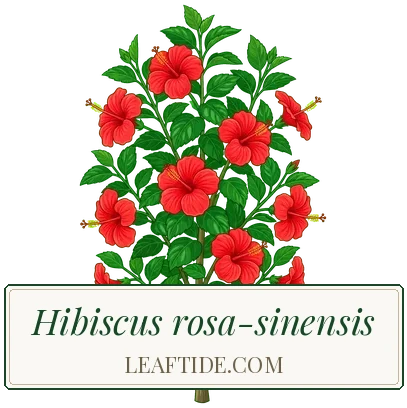
Hibiscus is a tropical shrub that thrives in warmth and full sun. In the UK it is best grown in a large container so it can be brought indoors before the first frost. Use a free-draining, loam-based compost and feed fortnightly with a high-potash fertiliser during the growing season. Water regularly but do not let the pot sit in water. Prune lightly in spring to maintain shape. Flowers appear on new growth, so pruning encourages more blooms. Move outdoors to a sheltered, sunny spot once night temperatures stay above 10 °C (50 °F).
 In your Leaftide garden


- Height
- 2 m (6.5 ft)
- Spread
- 1.5 m (5 ft)
- Flowers
- May - September
- Light
- Full sun
- Water
- Moderate
Yearly Lifecycle
Care Essentials
Feed fortnightly with a high-potash liquid fertiliser from spring through late summer to promote abundant flowering.
Watch For
- Aphids on new growth
- Whitefly under glass
- Red spider mite in dry conditions
Pet Safety
Care Requirements
Light
Full sun, sheltered position
Needs maximum sunlight and warmth to flower well. Place in the brightest, most sheltered spot available. Sunny patios are ideal.
Watering
Regular but not waterlogged
Water regularly during the growing season but never let the pot sit in water. Reduce watering significantly in winter when growth slows.
Fertilizing
High-potash feed fortnightly
Feed every two weeks with a high-potash liquid fertiliser from spring through late summer. Stop feeding in autumn to encourage dormancy.
Pruning
Light spring prune for shape
Prune in early spring before new growth. Remove dead or crossing branches and shorten leggy stems by a third. Flowers appear on new wood.
Growing Tips
Grow in containers for flexibility
A large pot allows you to move the plant outdoors in summer and back inside before frost. Use a loam-based compost with added perlite for drainage.
Prune in spring for more flowers
Hibiscus flowers on new growth. Shortening stems by a third in early spring encourages branching and a heavier flush of blooms.
Mist regularly indoors
Central heating dries the air and encourages red spider mite. Mist the foliage regularly or stand the pot on a tray of damp pebbles to raise humidity.
Pests & Diseases
Pest Aphids
Identification: Clusters of small green or black insects on soft shoot tips and flower buds, leaving sticky honeydew on the leaves below.
- Squash small colonies or wash them off with a jet of water.
- Spray with a plant-based fatty acid insecticide, covering the buds and shoot tips.
Pest Glasshouse Whitefly
Identification: Tiny white, moth-like insects fly up when the plant is touched. Flat, pale, scale-like nymphs sit on the leaf undersides, and leaves get sticky with honeydew and black sooty mould.
- Hang yellow sticky traps just above the plant to catch adults.
- Under glass, introduce the parasitic wasp Encarsia formosa in spring and summer.
- Spray leaf undersides with a fatty acid or plant-oil insecticide, repeating as the label directs.
Pest Glasshouse Red Spider Mite
Identification: Leaves develop fine, pale speckling, turn dull and yellow and may drop, with tiny mites and fine webbing on the undersides. Worst in hot, dry conditions under glass and in centrally heated rooms.
- Raise humidity around the plant and never let the compost dry out completely.
- Under glass, release the predatory mite Phytoseiulus persimilis when damage first appears.
Pest Mealybugs
Identification: Fluffy white, waxy clusters in leaf joints, along stems and on buds, with sticky honeydew. The pink hibiscus mealybug can distort and stunt shoots in warm climates.
- Wipe off small colonies with a cotton bud or a damp cloth.
- Under glass, release the mealybug ladybird Cryptolaemus montrouzieri in summer, when it is warm enough for it to breed.
- Spray with a fatty acid or plant-oil insecticide, following the label.
Disease Bud Drop
Symptoms: Flower buds turn yellow and fall before opening, often with some yellowing leaves. Common indoors in winter when light is low, and after the compost has dried out or stayed waterlogged, after heavy nitrogen feeding or in extreme heat.
Treatment: In winter, accept some drop: keep the plant in the brightest spot and water less, and it recovers in spring. At other times, find the cause and correct it. In warm climates, break open fallen buds: tiny maggots inside mean hibiscus bud midge, so collect and destroy every fallen bud.
Prevention: Water evenly, never leave the pot standing in water, feed with a high-potash feed instead of a high-nitrogen one, and give the plant bright light and steady warmth.