How to Grow Chrysanthemum
Chrysanthemum morifolium
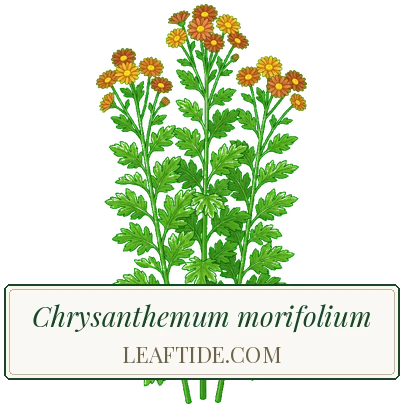
Chrysanthemums grown for one season flourish in full sun and fertile, well-drained soil with steady moisture. Start from rooted cuttings or young plants in spring, or buy potted mums in flower in late summer. Pinch out shoot tips early to encourage branching, and stake taller cultivars before they flop. Feed regularly while they grow. For big exhibition blooms, disbud to one bud per stem; for sprays, leave several buds. Clear the plants once flowering ends and start with fresh plants the following year.
 In your Leaftide garden


- Hardiness
- Half Hardy
- Season
- Any Season
- Harvest
- Continuous Harvest
- Spacing
- 45 cm (18 in)
- Height
- 60 cm (24 in)
- Min. soil temperature
- 7 °C+ (45 °F+)
- Start from
- Plug plant
- Light
- Full sun
- Water
- Moderate
When to Start
Best started from plugs, corms, or slips. Pot up indoors 7 weeks before last frost, then plant out once soil reaches 7 °C (45 °F).
Don't know your frost date? Find it here →
Growth Stages
Approximate days from start
Care Essentials
- Balanced feed every 2 weeks while growing. Switch to a high-potash feed every 2 weeks once buds form.
- Pinching and disbudding are key to good flowers. Spray types are the easiest to grow; disbud and exhibition types need more attention for their big blooms.
Growing Conditions
- Min. soil temperature
- 7 °C+ (45 °F+)
- Germination temperature
- 18–22 °C (64–72 °F)
Pet Safety
Spacing & Planting
| Plant spacing | 45 cm (18 in) |
| Row spacing | 60 cm (24 in) |
| Sow depth | On the surface |
| Mature height | 60 cm (24 in) |
| Mature spread | 45 cm (18 in) |
Good air circulation is vital to prevent mildew. Spacing depends on the final size of the chosen variety: sprays need more room than disbud types grown to a few stems.
Pests & Diseases
Pest Aphids
Identification: Clusters of small green, black or pink insects on shoot tips and undersides of leaves, often with sticky honeydew
- Squash by hand or blast off with a water jet
- Spray with fatty acid or plant oil-based insecticide
- Encourage ladybirds, lacewings and hoverflies
- Spray with a contact insecticide containing deltamethrin
Pest Capsid Bug
Identification: Ragged holes and distorted shoot tips; brown-edged puncture marks on young leaves. Bugs are fast-moving and rarely seen
- Remove plant debris where bugs overwinter
- Encourage ground beetles and spiders as natural predators
- Spray with a contact insecticide when damage first appears
Pest Earwigs
Identification: Ragged, irregular holes chewed in petals and young leaves, mainly overnight. Earwigs hide in flower heads during the day
- Trap in upturned pots stuffed with straw placed on canes among plants
- Shake flower heads over a sheet to dislodge and remove
- No chemical controls currently available for home gardeners
Pest Chrysanthemum Leaf Miner
Identification: Pale, winding tunnels (mines) visible within the leaf tissue, created by larvae feeding between leaf surfaces
- Pick off and destroy affected leaves promptly
- Squash larvae visible within mines
- No effective chemical controls available for home gardeners
Disease Chrysanthemum White Rust Puccinia horiana
Symptoms: Pale green or yellow spots on upper leaf surface with buff-white pustules of spores on the underside
Treatment: Remove and destroy affected leaves immediately. Do not compost infected material
Prevention: Ensure good air circulation, avoid overhead watering, and buy plants from reputable sources. Inspect new plants carefully
Disease Powdery Mildew
Symptoms: White powdery coating on leaves and stems, causing yellowing and premature leaf drop
Treatment: Remove badly affected leaves. Spray with a fungicide approved for ornamentals
Prevention: Space plants well for good airflow, water at soil level, and avoid drought stress
Disease Grey Mould (Botrytis) Botrytis cinerea
Symptoms: Fuzzy grey mould on flowers, stems and leaves, often starting on damaged or dying tissue
Treatment: Remove and destroy affected parts promptly. Improve ventilation around plants
Prevention: Avoid overcrowding, remove dead material promptly, and water at soil level rather than overhead
Growing Conditions
| Min. soil temperature | 7 °C (45 °F) |
| Germination temperature | 18–22 °C (64–72 °F) |
| Base growth temperature | 8 °C (46 °F) |
| Min. daylength to start | 10 h |
| Photoperiod sensitivity | short day |
Frequently Asked Questions
- How far apart should I plant chrysanthemum?
- Plant chrysanthemum 45 cm (18 in) apart, with 60 cm (24 in) between rows.
- When does chrysanthemum flower?
- Chrysanthemum typically flowers approximately 110 days after transplanting.
- Is chrysanthemum frost hardy?
- Only partly: chrysanthemum is half-hardy.