How to Grow China Aster
Callistephus chinensis
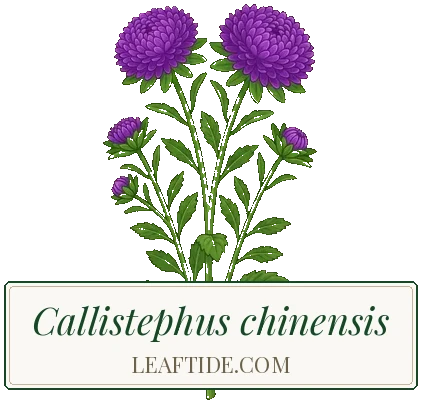
China asters are half-hardy annuals grown fresh from seed each year for their showy, long-lasting cut flowers. Sow indoors 6 weeks before last frost or direct sow after all frost risk has passed. They need full sun, fertile well-drained soil, and consistent moisture. Pinch tips early for bushier plants with more blooms. Crucially, rotate the planting site every year to avoid Fusarium aster wilt which persists in soil.
 In your Leaftide garden
- Hardiness
- Half Hardy
- Season
- Warm Season
- Spacing
- 30 cm (12 in)
- Height
- 60 cm (24 in)
- Sow depth
- 0.5 cm (¼ in)
- Min. soil temperature
- 15 °C+ (59 °F+)
- Start from
- Seed
- Light
- Full sun
- Water
- Moderate
When to Start
Sow indoors 6 weeks before last frost, or direct sow outdoors after frost risk has passed and soil reaches 15 °C (59 °F).
Don't know your frost date? Find it here →
Growth Stages
Approximate days from start
Care Essentials
- Liquid feed fortnightly once buds appear; use a balanced or high-potash fertilizer.
- Rotate planting site annually to prevent aster wilt buildup. Excellent cut flower lasting 7-14 days in a vase.
Growing Conditions
- Min. soil temperature
- 15 °C+ (59 °F+)
- Germination temperature
- 18–22 °C (64–72 °F)
Pet Safety
- Sow indoors
- —
- Transplant out
- —
- First harvest
- —
Want your full season plan with reminders? Set up your garden free


Spacing & Planting
| Plant spacing | 30 cm (12 in) |
| Row spacing | 40 cm (16 in) |
| Sow depth | 0.5 cm (¼ in) |
| Mature height | 60 cm (24 in) |
| Mature spread | 30 cm (12 in) |
Taller varieties benefit from 35-40cm (14-16 in) spacing for air circulation to prevent disease.
Pests & Diseases
Pest Aphids
Identification: Clusters of small green or black insects on shoot tips, flower buds and the undersides of leaves. New growth curls and turns sticky with honeydew.
- Squash small colonies by hand or wash them off with a jet of water.
- Leave ladybirds, hoverfly larvae and lacewings to feed on them; they usually catch up by midsummer.
- Spray with a fatty acid (soft soap) or plant oil insecticide, covering the undersides of the leaves.
Disease Aster Wilt Fusarium oxysporum f. sp. callistephi
Symptoms: Plants turn yellow and wilt, often on one side first, and young plants collapse quickly. When you cut the stem, a brown streak runs up the inside.
Treatment: There is no cure. Pull up wilting plants with their roots and bin them; do not compost them.
Prevention: The fungus lives in the soil for many years and can also arrive on seed. Grow asters on fresh ground and wait at least four or five years before using an infected bed for them again. Seed sold as wilt-resistant helps, though no strain is fully immune.
Disease Aster Yellows
Symptoms: Plants are stunted and form upright tufts of yellowish shoots, sometimes on one side only. The flowers stay green and are misshapen.
Treatment: There is no cure. Remove and bin affected plants as soon as you spot them.
Prevention: Caused by a phytoplasma that leafhoppers carry from infected weeds and other plants. Keep the ground around the bed weeded and raise seedlings away from weedy corners.
Disease Grey Mould Botrytis cinerea
Symptoms: Brown, water-soaked patches on the flowers that soon carry fuzzy grey mould, mainly in cool, wet weather. It can also rot the base of the stem.
Treatment: Pick off and bin affected flowers and leaves straight away, and clear fallen petals from around the plants.
Prevention: Water at the base rather than over the plants and keep to the full spacing so air moves between them.
Growing Conditions
| Min. soil temperature | 15 °C (59 °F) |
| Germination temperature | 18–22 °C (64–72 °F) |
| Base growth temperature | 10 °C (50 °F) |
| Photoperiod sensitivity | day neutral |
Frequently Asked Questions
- How far apart should I plant China aster?
- Plant China aster 30 cm (12 in) apart, with 40 cm (16 in) between rows.
- When does China aster flower?
- China aster typically flowers approximately 70 days after transplanting.
- Is China aster frost hardy?
- Only partly: China aster is half-hardy.