How to Grow Chickpea
Cicer arietinum
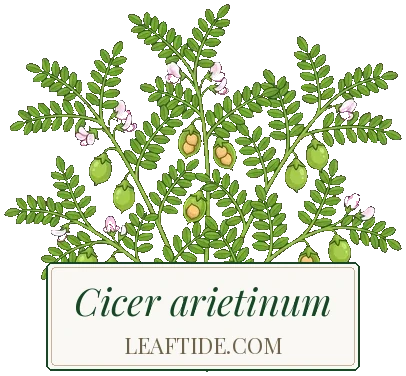
Chickpeas thrive in warm, dry conditions with full sun and well-drained soil. Sow directly after last frost when soil is at least 10C. They dislike wet feet and humid conditions, so avoid overhead watering. Plants are bushy and self-supporting at 30-50 cm (12-20 in) tall. As legumes they fix nitrogen and need little fertiliser. Harvest when pods dry and brown on the plant, then shell and store the seeds.
 In your Leaftide garden
- Hardiness
- Half Hardy
- Season
- Warm Season
- Harvest
- Single Harvest
- Spacing
- 15 cm (6 in)
- Height
- 50 cm (20 in)
- Sow depth
- 4 cm (1.5 in)
- Min. soil temperature
- 10 °C+ (50 °F+)
- Start from
- Seed
- Light
- Full sun
- Water
- Low
When to Start
Sow indoors 3 weeks before last frost, or direct sow outdoors after frost risk has passed and soil reaches 10 °C (50 °F).
Don't know your frost date? Find it here →
Growth Stages
Approximate days from start
Care Essentials
- Rarely needed. Chickpeas fix nitrogen. Only apply a light phosphorus feed if soil is very poor.
- Chickpeas prefer dry conditions and well-drained soil. Avoid overhead watering to prevent fungal disease. They fix nitrogen, improving soil for subsequent crops.
Growing Conditions
- Min. soil temperature
- 10 °C+ (50 °F+)
- Germination temperature
- 10–25 °C (50–77 °F)
- Sow indoors
- —
- Transplant out
- —
- First harvest
- —
Want your full season plan with reminders? Set up your garden free


Spacing & Planting
| Plant spacing | 15 cm (6 in) |
| Row spacing | 45 cm (18 in) |
| Sow depth | 4 cm (1.5 in) |
| Mature height | 50 cm (20 in) |
| Mature spread | 30 cm (12 in) |
Sow or thin to 15 cm (6 in) apart in rows 45 cm (18 in) apart. Plants support each other when grown closely.
Pests & Diseases
Pest Pod Borer (Cotton Bollworm)
Identification: Green to brown caterpillars with pale stripes along the sides that eat leaves and flowers, then bore round holes into the pods and eat the seeds, often with the rear half of the body left outside. The main chickpea pest in southern Europe and other warm regions.
- From flowering onwards, check the plants every few days and pick off caterpillars by hand.
- Remove and destroy bored pods so the larvae inside cannot finish feeding.
Disease Ascochyta Blight Ascochyta rabiei
Symptoms: Brown spots on leaves, stems and pods, often with rings of tiny dark dots (the spore cases). Lesions at the stem nodes girdle the stem so it snaps, and seeds come out shrivelled and brown. Spreads fast in cool, rainy weather.
Treatment: Pull up and remove badly affected plants straight away, with any fallen debris, and don't compost them.
Prevention: Sow clean, healthy seed and never save seed from infected plants. The fungus attacks only chickpeas and survives on old plant debris, so leave at least three years before growing chickpeas in the same spot or next to last year's patch.
Disease Fusarium Wilt Fusarium oxysporum f. sp. ciceri
Symptoms: Usually at flowering: leaves droop and turn dull green, then yellow and die from the bottom of the plant upwards, sometimes more on one side. Cut the stem near the base and the inside is dark brown to black.
Treatment: There is no cure. Pull up wilting plants with their roots and put them in household waste.
Prevention: The fungus lives in the soil and on seed and is worst in warm soil. Move chickpeas to a new bed each year, wait at least three years before returning, and choose resistant cultivars where offered.
Disease Botrytis Grey Mould Botrytis cinerea
Symptoms: Water-soaked patches on leaves, stems, flowers and pods turn grey to dark brown and grow a fluffy grey mould in humid weather. Flowers drop and pods fail to fill.
Treatment: Remove affected shoots and pods promptly and thin crowded plants so air can move through.
Prevention: Avoid dense sowings and overhead watering; water at the base in the morning.
Disease Viruses
Symptoms: Yellowing or reddening leaves, stunted plants and distorted shoots, often on plants scattered through the patch. Aphids rarely settle on chickpeas, but winged aphids passing through spread viruses such as cucumber mosaic and pea enation mosaic as they probe the plants.
Treatment: There is no cure. Pull up affected plants and put them in household waste so they don't act as a source for the rest.
Prevention: Sow at the normal time rather than very early, and keep weeds and self-sown legumes such as peas, beans and clover down nearby, as they carry the viruses.
Growing Conditions
| Min. soil temperature | 10 °C (50 °F) |
| Germination temperature | 10–25 °C (50–77 °F) |
| Base growth temperature | 10 °C (50 °F) |
| Min. daylength to start | 10 h |
| Photoperiod sensitivity | day neutral |
Frequently Asked Questions
- How far apart should I plant chickpea?
- Plant chickpea 15 cm (6 in) apart, with 45 cm (18 in) between rows.
- When can I harvest chickpea?
- Chickpea is ready to harvest approximately 80 days after transplanting.
- Is chickpea frost hardy?
- Only partly: chickpea is half-hardy.