How to Grow Betel Leaf
Piper betle
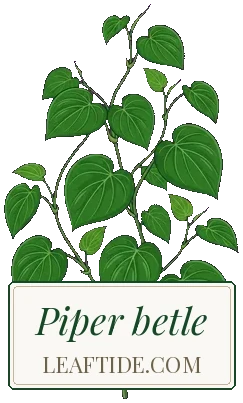
Betel leaf is a tropical climbing shrub that needs consistent warmth above 15 °C (59 °F), high humidity, and a vertical support. In temperate climates it grows best in a heated greenhouse or warm conservatory. Plant in rich, moist, well-draining compost and provide a trellis or moss pole from the start. Water regularly and mist foliage often to maintain humidity. Feed monthly during the growing season with a balanced fertiliser, adding extra nitrogen in spring for lush leaf growth. Pinch out growing tips regularly to keep the plant bushy and productive. Harvest young leaves once the plant is established.
 In your Leaftide garden


- Height
- 2 m (6.5 ft)
- Spread
- 1 m (3.5 ft)
- Spacing
- 60 cm (24 in)
- Light
- Bright indirect light
- Water
- High
Yearly Lifecycle
Care Essentials
Feed monthly with a balanced liquid fertiliser during the growing season. Reduce or stop feeding in winter when growth slows. Supplement with a nitrogen-rich feed in early spring to encourage lush leaf production.
Watch For
- Spider mites
- Aphids
- Powdery mildew
- Root rot from overwatering
- Phytophthora leaf blight
Companions
Turmeric, Cardamom, Ginger
Care Requirements
Light
Bright indirect light to dappled shade
Betel leaf grows naturally under partial forest canopy. Indoors, give it the brightest indirect light available. Outdoors in tropical climates, dappled shade is ideal; direct midday sun scorches the large leaves.
Watering
Regular watering, keep consistently moist
Water deeply and regularly, keeping the compost moist but never waterlogged. High humidity around the foliage is as important as root moisture: mist leaves daily or use a pebble tray. Reduce watering slightly in winter but never let the root ball dry out.
Fertilizing
Monthly balanced feed, nitrogen boost in spring
Apply a balanced liquid fertiliser monthly throughout the growing season. In early spring, use a nitrogen-rich feed to promote lush leaf growth. Reduce feeding in autumn and stop in winter.
Pruning
Pinch tips regularly to keep bushy
Pinch out growing tips every few weeks to encourage branching and dense leaf production. Remove any yellowing, damaged, or diseased leaves promptly. Trim back straggly stems in late winter to maintain a compact shape.
Spacing
60 cm (24 in) apart with vertical support
Space plants at least 60 cm (24 in) apart to allow good air circulation. Each plant needs a trellis, moss pole, or similar vertical support from planting. Allow 90 cm (35 in) between rows.
Support
Essential: vertical trellis or pole from planting
Betel leaf is a climbing shrub that uses its stems to scramble upwards. Provide a moss pole, trellis, or rough-barked post from day one. Without support the stems trail weakly and leaf yield is poor.
Growing Tips
Root stem cuttings in the warm
Stem pieces with two or three leaf joints root well in a warm, humid spot, such as a propagator or a clear bag over the pot. Take them from healthy, actively growing stems.
Pick a few leaves at a time
Take a few of the largest, mature leaves from each stem instead of stripping a vine. The plant needs leaves to keep growing. Wash the leaves well before use.
Pests & Diseases
Pest Red Spider Mite
Identification: Fine pale stippling on the leaves, which turn dull and bronzed, with fine webbing underneath in a warm greenhouse or dry room. Badly hit leaves yellow and drop.
- Raise the humidity: mist the leaves daily or stand the pot on a damp pebble tray, since mites thrive in dry air.
- Wipe or shower the leaves, undersides included, every few days to remove mites.
- In a greenhouse, release the predatory mite Phytoseiulus persimilis.
Disease Root Rot
Symptoms: Leaves yellow and wilt even though the compost is wet, the base of the stem may blacken, and the roots are brown and mushy when you tip the plant out.
Treatment: Tip the plant out, cut away rotten roots and repot into fresh, free-draining compost in a clean pot. Water sparingly until new growth shows.
Prevention: Use a loose, well-draining mix, never leave the pot standing in water, and let the top of the compost dry slightly between waterings.
Disease Phytophthora Leaf Blight
Symptoms: Dark, water-soaked patches spread across the leaves, which rot and drop in warm, wet, humid conditions. The stem base can rot too.
Treatment: Remove and bin affected leaves and stems straight away. If the base is rotting, take cuttings from healthy tips to start again.
Prevention: Water the compost and not the leaves, keep air moving, do not leave foliage wet overnight and use clean pots, compost and tools.
Disease Powdery Mildew
Symptoms: White powdery patches on the leaves, often on plants in still air.
Treatment: Remove badly affected leaves and bin them, and improve airflow around the plant.
Prevention: Do not crowd plants, ventilate the greenhouse or conservatory and avoid wetting the leaves late in the day.
Disease Cold or Dry Air Damage
Symptoms: Leaves brown at the edges, curl, yellow and drop when the temperature falls below about 15 °C (59 °F) or the air is very dry.
Treatment: Move the plant somewhere warmer, raise the humidity and remove damaged leaves. It usually recovers once warm again.
Prevention: Keep it above 15 °C (59 °F) all year, and away from draughts and heaters.
Spacing & Planting
| Plant spacing | 60 cm (24 in) |
| Row spacing | 90 cm (35 in) |
| Mature height | 2 m (6.5 ft) |
| Mature spread | 1 m (3.5 ft) |
Space plants to allow good air circulation and easy access for leaf harvest. Each plant needs a vertical support from day one.