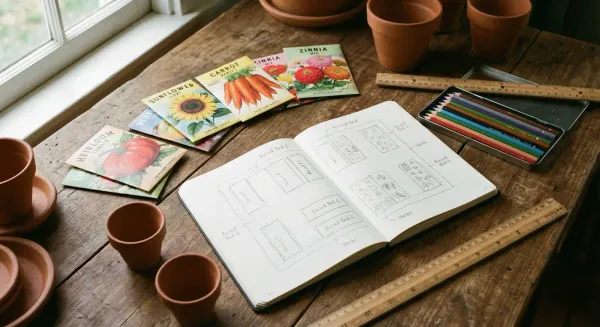
Best Garden Planning Apps in 2026 — Honest Comparison for Serious Growers
I tested every major garden planning app so you don't have to. Here's what actually works for vegetable gardens, fruit trees, and permanent plants.
A space for writing about how Leaftide is built, why it works the way it does, and what problems it tries to solve in real gardens.
I tested every major garden planning app so you don't have to. Here's what actually works for vegetable gardens, fruit trees, and permanent plants.
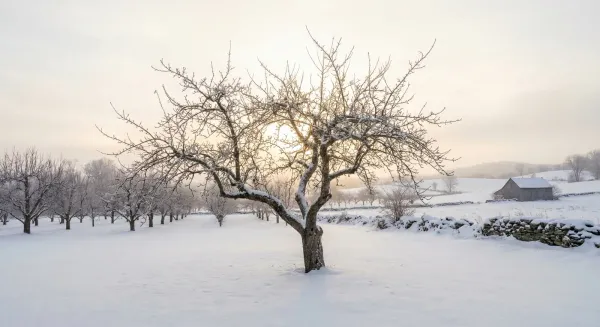
Your fruit trees need winter cold to fruit properly. Learn how to find chill hours by zip code, what the numbers mean, and which varieties match your climate.
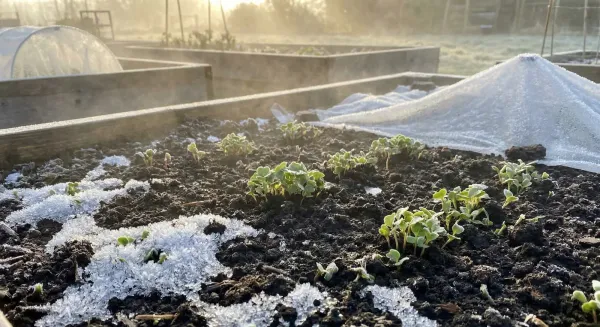
Frost dates are the backbone of every planting schedule — but they're averages, not guarantees. Here's how to find yours and actually use them.
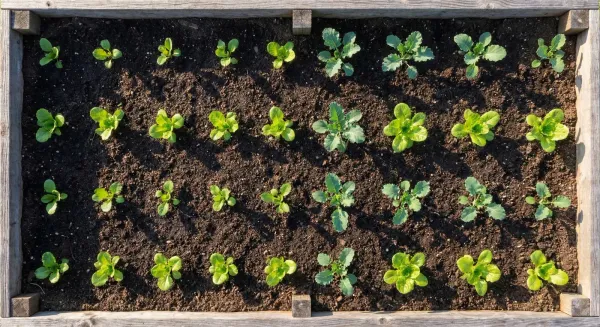
Spacing mistakes cost you harvests. Learn the right distances for vegetables, herbs, and hedges — plus when to break the rules.
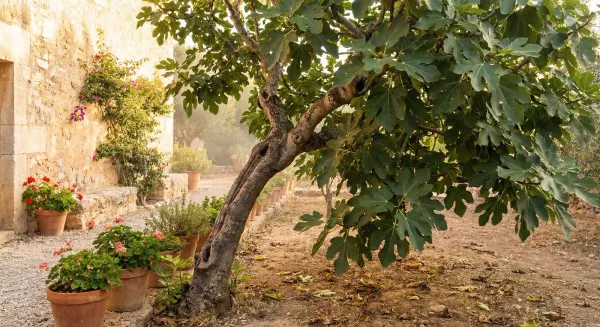
Fig trees fruit on both old and new wood, which makes pruning timing tricky. Here's when to prune figs in every climate, from mild winters to zone 5 cold.
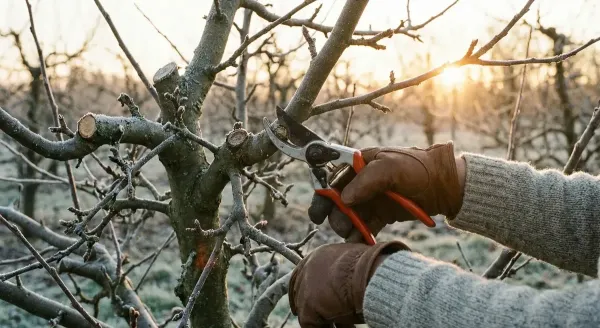
Learn when to prune apple trees for your climate. Winter dormant pruning, summer pruning for trained forms, and what biological signals to watch for.
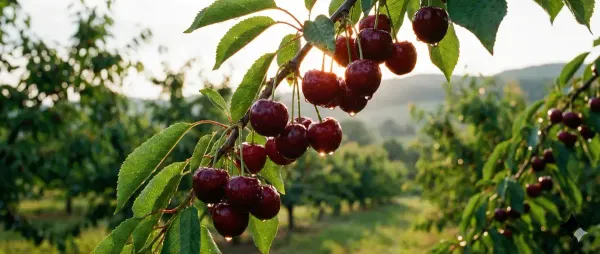
Cherry trees must be pruned in summer, not winter. Learn exactly when to prune sweet and sour cherries, why winter pruning causes silver leaf disease, and a month-by-month calendar for your zone.
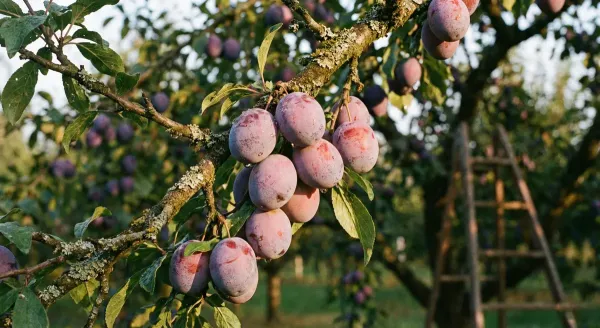
Plum trees should be pruned in summer to prevent silver leaf disease. Learn the right timing, how plums differ from apples, and what Victoria plum owners need to know.
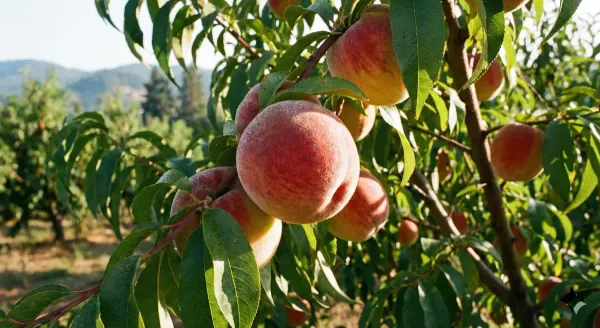
Peach trees need spring pruning, not winter. Learn the right timing window, why peaches differ from apples, and how to avoid peach leaf curl.
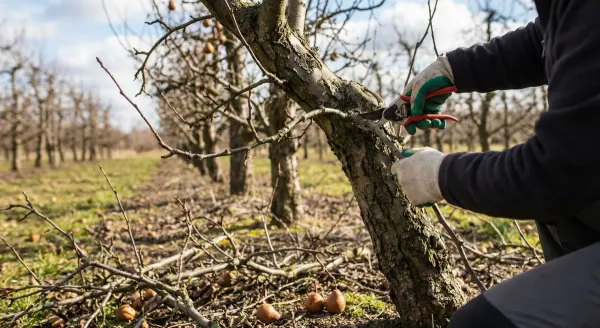
Pear trees are pruned in winter like apples, but their upright growth and spur-bearing habit mean a different approach. Learn the timing and key differences.
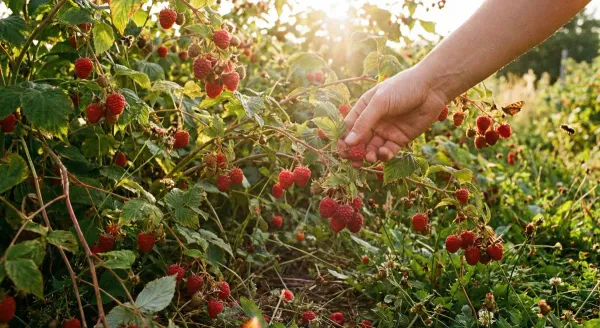
Berry bushes are permanent plants that benefit from tracking, but most gardeners neglect them. Here's what to record for raspberries, blueberries, currants, and more.
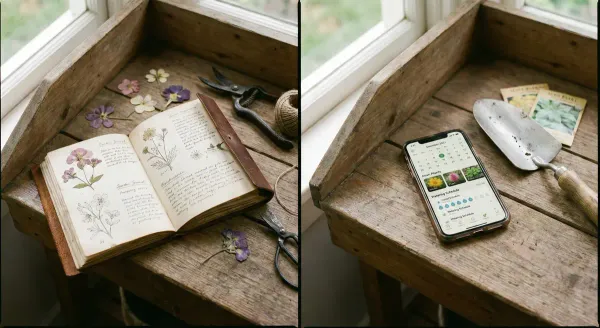
Paper journals feel wonderful. Digital journals actually get used. Here's how to decide which is right for you — or whether to use both.
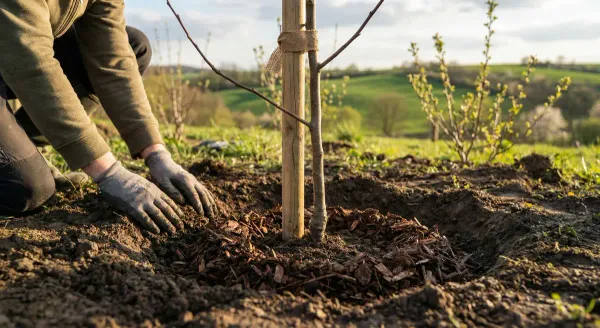
The first year determines whether your fruit tree thrives for decades. Here is exactly what to do, and why recording it from day one pays off for years.
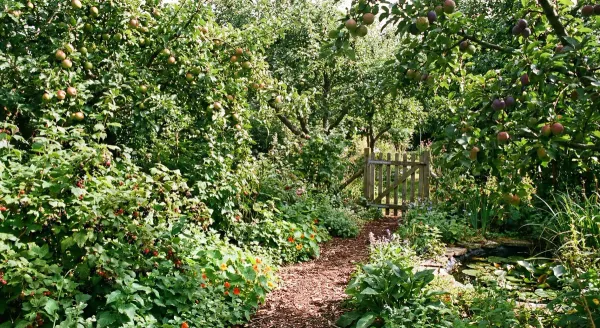
Food forests are 20-year projects. This guide explains how to keep records that remain useful a decade from now, so you do not forget what you planted where.
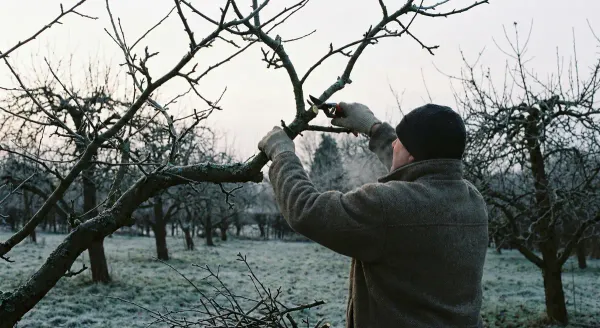
Most pruning guides tell you how to cut. This one tells you how to record what you did, so you actually learn what works for your trees.
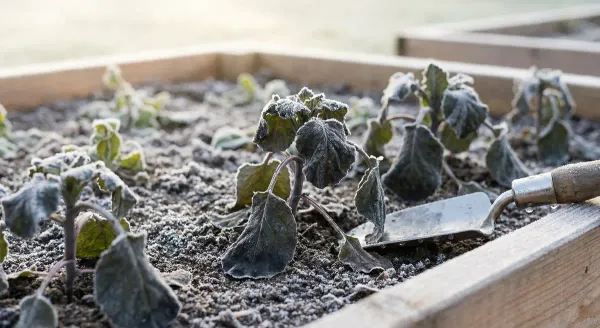
The most valuable entries in your garden journal are not the successes — they are the failures. Here is what to record when things go wrong, and why it matters.
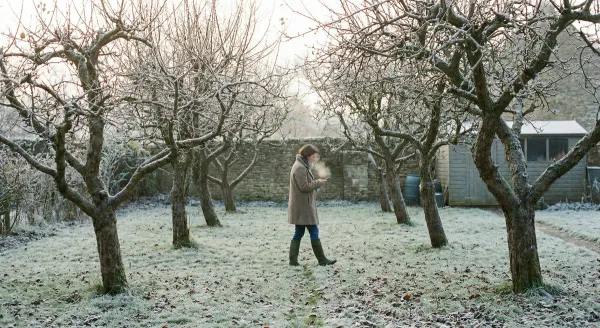
Commercial orchard software is overkill for home growers. Here's a practical system for tracking your fruit trees without the complexity.
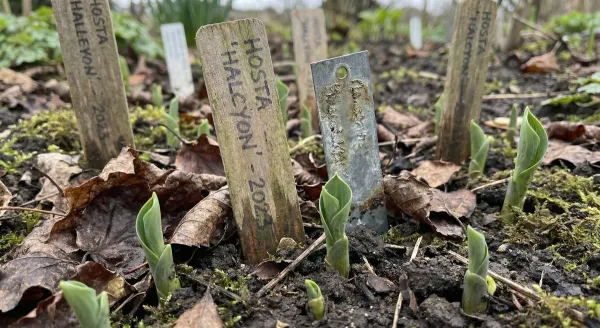
Perennials come back every year — but do you remember what's where? Here's how to keep records that survive winter better than your memory.
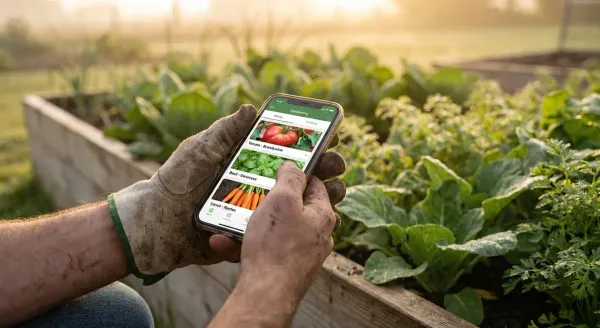
Most garden journals fail because they track the wrong things. Here's exactly what to record to actually improve your garden year after year.
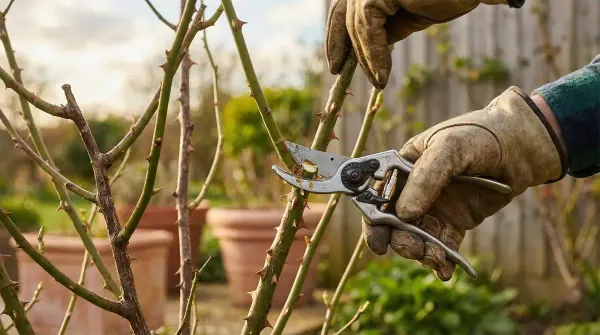
Expert guidance on rose pruning timing for every UK region, from Cornwall to the Scottish Highlands. Learn when and how to prune Hybrid Teas, Floribundas, Climbers, Ramblers, and more, with techniques from the RHS and David Austin Roses.
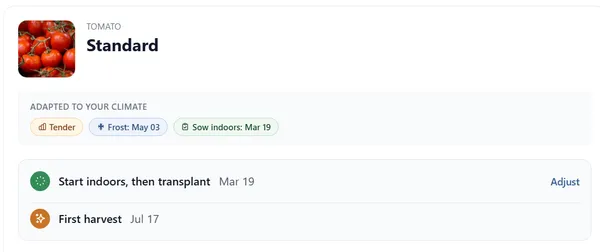
I used to wonder whether I could book a holiday in August or if I would miss the harvest. Now I can see predicted harvest dates based on my actual climate, not a generic seed packet estimate.
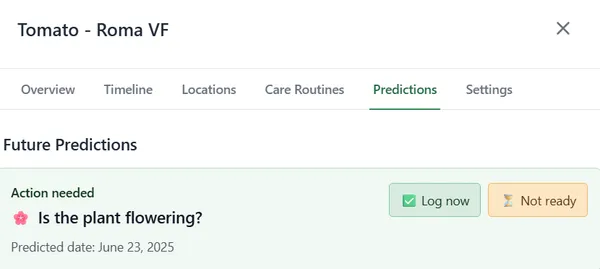
I used to walk past the same beds every day without really seeing them. Then a nudge asked if my tomatoes had started flowering, and I found myself noticing everything else too.
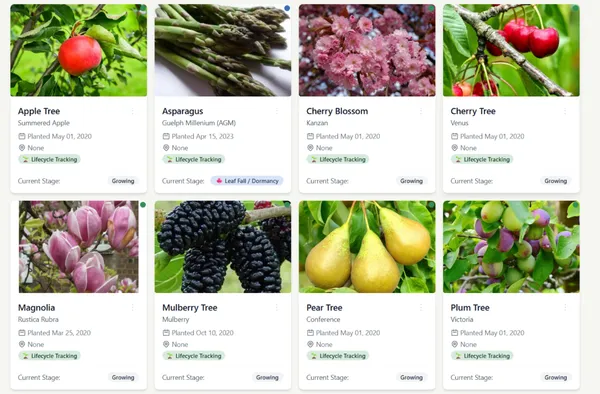
I kept meaning to document what was in my garden but never followed through. Now I have a place to record every permanent plant, when it was planted, and what has happened to it since.
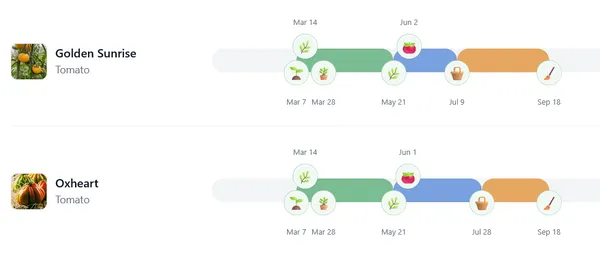
Seed packets told me to sow between March and June, but that never matched what actually happened in my garden. I wanted real dates that reflect my climate and setup, so I built a system that predicts when things will happen and shows how your choices shift the season.
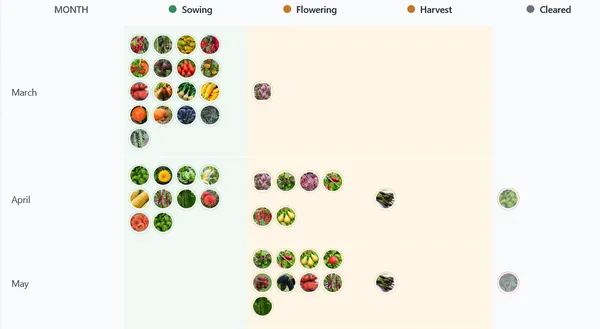
I used to lose track of what I planted, fed, and harvested. Now everything that happens in the garden is logged with a date, so I can open any plant and see its full story. Over time, that history turns into a record of what really happened and helps me notice patterns I never saw before.
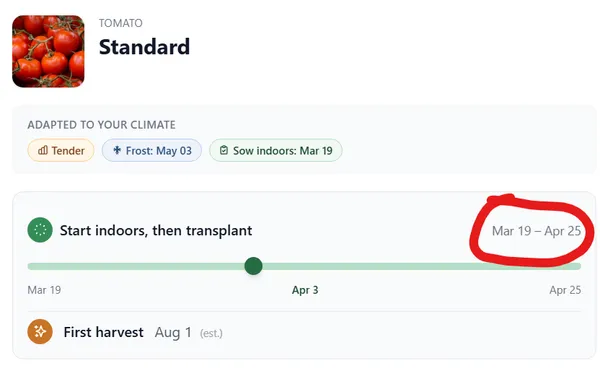
Stop googling 'is it too late to plant tomatoes' every spring. Learn how climate-aware sowing windows give you a definitive answer for your garden.