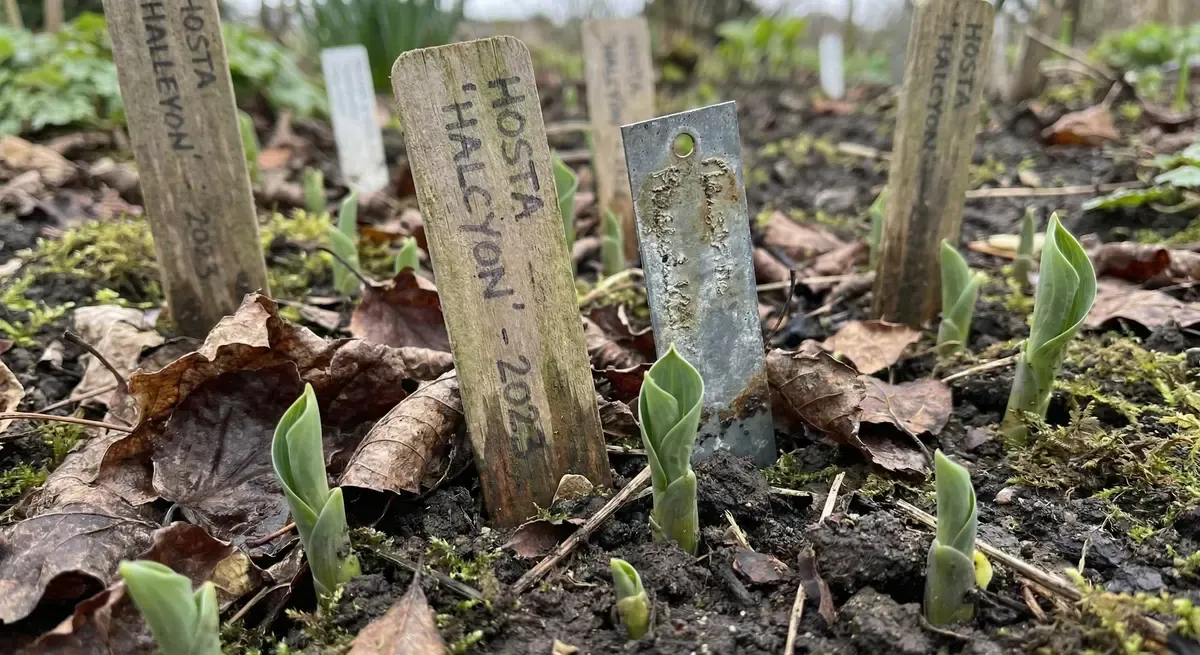
Every April I crouch over the same patch of soil, squinting at what might be a shoot or might be a weed. The Echinacea was here. Or was it there? I moved it two years ago. Or three? The label’s gone, my memory’s fuzzy, and I’m genuinely not sure if I’m looking at a dead plant or a late riser.
Call it the perennial memory problem. Unlike annuals, which you plant, harvest, and clear away in a single season, perennials stick around. They come back year after year, which sounds like less work until you realise that “coming back” involves disappearing completely for months, spreading into unexpected places, and occasionally dying without warning.
The plants that are supposed to be the easy, low-maintenance backbone of your garden turn out to need something annuals do not: a memory that lasts longer than one growing season.
Why perennials need different tracking than annuals
With annuals, the cycle is simple. Sow, transplant, harvest, clear away. Next year, start fresh. Perennials don’t work that way. They accumulate history.
They come back — or they don’t. A perennial that thrived for three years might quietly die over winter. Without records, you won’t know if that bare patch is a dead plant or a late emerger.
They spread, divide, and move. That clump of geraniums started as a single plant. Now it’s three clumps. Perennials migrate through your garden over years, and without tracking, you lose the thread of what came from where.
Bloom times shift. Was the peony earlier this year, or does it always flower in late May? Patterns only emerge if you record the data.
Lifespans vary wildly. Some perennials last decades. Others fade after three or four years. Without records, you won’t notice the slow decline until the plant is gone.
Annuals need a journal. Perennials need a biography.
What to track for each perennial
You’re not trying to create paperwork — just capture what you’ll actually need when you’re standing in the garden next spring, wondering what happened.
Identity
Start with the basics: variety name, where you bought it, and when you planted it. This sounds obvious, but it’s the information most likely to be lost.
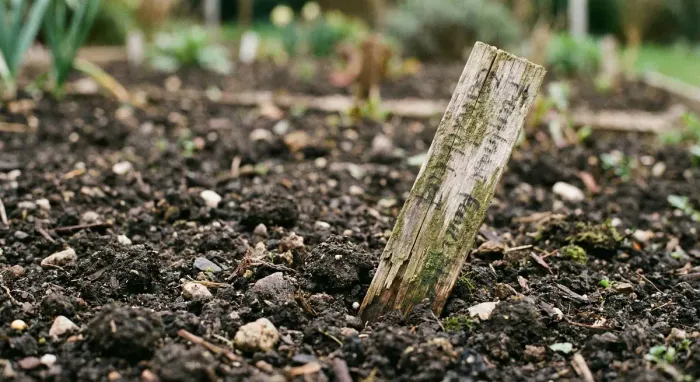
I have a beautiful purple aster that flowers reliably every September. I have no idea what variety it is. The label faded years ago, and I never wrote it down. When someone asks what it is, I shrug. When I want to buy another one, I can’t. When it eventually dies, I won’t be able to replace it.
Record the variety name before the label becomes unreadable. Record the source so you know where to buy more. Record the planting date so you know how old it is.
Location
Perennials disappear. Not permanently — they die back to the ground and vanish for months. By spring, you’re staring at bare soil trying to remember what lives there.
Note where each perennial is planted. Be specific: “back border, third from the left” or “next to the birdbath” or “under the apple tree.” When everything is dormant, these notes are the only way to know what’s where.
This matters most for late emergers. If you know the Echinacea is in the corner by the fence, you won’t accidentally dig it up while planting something else in April.
Performance
Over time, you want to build a picture of how each plant performs in your garden. When does it flower? How vigorously does it grow? Does it spread aggressively or stay in a tidy clump?
Don’t record everything — just the things that help you make decisions. If a plant flowers for six weeks, that’s worth knowing. If it spreads so fast you have to dig it out every year, that’s worth knowing too.
Maintenance history
Perennials need periodic attention: dividing, cutting back, feeding. Recording when you did these tasks helps you know when to do them again.
I divided my hostas three years ago. Or was it four? If I’d written it down, I’d know whether they’re due for division again or whether I can leave them another year. Instead, I’m guessing.
Problems
When something goes wrong, write it down. Pest damage, disease, winter dieback, slug attacks. These notes help you spot patterns and take preventive action.
My delphiniums get slugs every year. I know this because I’ve written it down three years running. Now I know to put down slug protection before the shoots emerge, not after I notice the damage.
Photos
A photo of a perennial in full bloom is the best identification you can have. When the plant dies back to nothing, that photo reminds you what it looks like, where it is, and why you planted it.
Take photos at planting, in bloom, and in winter. The winter photo might seem pointless, but it shows you exactly where the plant is when everything else has died back. That’s the photo you’ll need in spring when you’re trying to remember what goes where.
Tracking the perennial calendar
Perennials have their own rhythm, and it changes from year to year. Recording key dates helps you understand each plant’s patterns and spot when something’s off.
Bloom times
Record when each perennial starts and stops flowering. Over several years, you’ll see patterns. Is the bloom getting earlier? Shorter? Are two plants that used to flower together now blooming weeks apart?
This helps with garden planning. If you want continuous colour, you need to know when each plant actually flowers in your garden, not when the label says it should.
Cutting back and division
Did you cut the penstemons in autumn or spring? Which worked better? Some plants need dividing every three years; others can go a decade. Records turn guesswork into knowledge.
Managing divisions and spread
Perennials multiply. That’s part of their appeal — one plant becomes many. But multiplication without tracking leads to confusion.
Recording divisions
When you divide a perennial, note the date and what you did with the pieces. Did you replant them elsewhere in the garden? Give them to a neighbour? Compost the extras?
This matters because divisions are how perennials spread through your garden. That clump of crocosmia by the shed started as a division from the main border. If you don’t record these movements, you lose track of what came from where.
Monitoring spread
Some perennials spread aggressively. Mint, of course, but also crocosmia, Japanese anemones, and many others. Recording how far they’ve spread each year helps you decide when to intervene.
If the crocosmia has doubled in size every year for three years, you know it needs controlling. If it’s stayed roughly the same size, you can relax. But you only know this if you’ve been paying attention and writing it down.
The “is it dead?” problem
Every perennial gardener knows this anxiety. Spring arrives, most plants show signs of life, but one patch remains stubbornly bare. Is the plant dead? Or just late?
Some perennials are notoriously late to emerge. Echinacea, hardy hibiscus, warm-season ornamental grasses, and late-flowering perennials like Japanese anemones don’t show growth until well into spring. If you don’t know this, you’ll assume they’re dead and either dig them up or plant something on top of them.
Records solve this. If you noted that the Echinacea didn’t emerge until mid-May last year, you won’t panic when it’s still dormant in April. You’ll wait.
The best time to mark where your perennials are is autumn, before they die back completely. While you can still see the foliage, note the location or place a marker. I use small metal labels pushed into the soil at the base of each plant. They survive winter, and in spring they tell me where to expect growth.
How Leaftide tracks perennials
I built Leaftide to solve exactly these problems. Each perennial gets its own permanent profile that persists year after year — variety, source, planting date, location, and photos all in one place.
As the seasons pass, you log what happens. Divided the hostas? Record it. Cut back the sedums? Record it. Noticed the first flowers on the peony? Record it with a photo. The plant’s history builds up naturally.
When spring comes and you’re wondering whether that bare patch is dead or dormant, you open the plant’s record. You see when it emerged last year. You see the photo of where it’s planted. You know whether to worry or wait.
Every spring, the same question: what is that?
Leaftide gives each perennial its own profile that persists year after year. Log divisions, track bloom times, attach photos, and finally stop wondering what’s planted where.
Free for up to 30 plants. No card needed.
What this means in practice
Perennials aren’t “plant and forget.” They’re “plant and remember” — the variety, the location, when it emerges, when you last divided it.
Records fill the gap where memory fails. Not obsessive documentation, but the key facts that help you understand your garden over time.
A perennial garden without records is a garden of mysteries. A perennial garden with records is a garden you actually understand.
Sources and further reading
- RHS: Perennials — Royal Horticultural Society guide to growing perennials
- BBC Gardeners’ World: How to Divide Perennials — Practical guide to division timing and technique
Related: What to Track in Your Garden Journal covers the broader principles of garden record-keeping. For tracking all your permanent plants including fruit trees and shrubs, see Permanent Plants.